
Ceramic Coating After Repaint
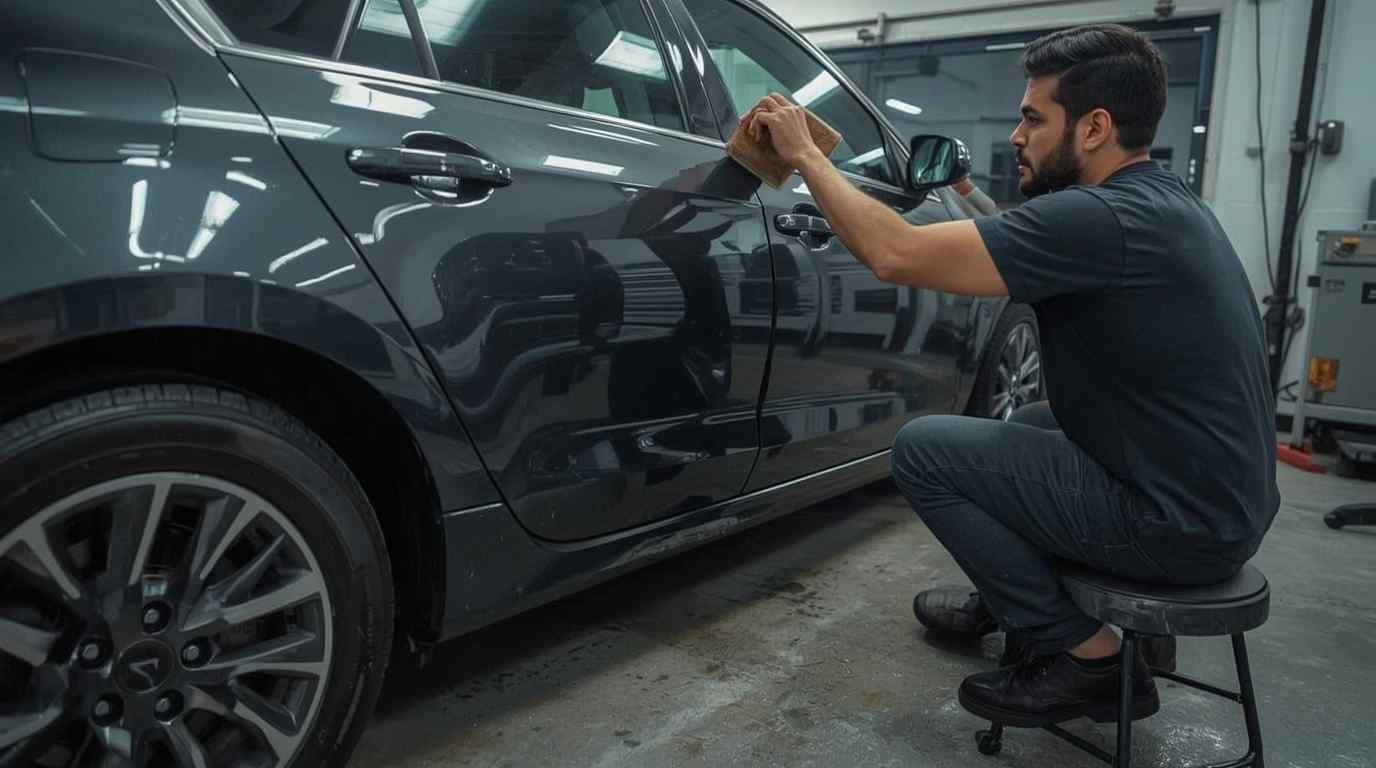
Ceramic coating can be applied after a repaint when the paint system has reached the condition approved by the refinisher, the finish has passed inspection and the coating preparation will not compromise fresh clear coat. A universal waiting period is less reliable than written product and workshop guidance.
Let the paint pass before adding another layer
Do not coat fresh paint simply because it feels dry. The body shop should confirm the paint system, curing conditions, rectification completed and earliest protection date. The detailer should then confirm that the planned wash, decontamination, polishing and panel wipe are suitable for that finish.
Fresh refinishing can continue releasing solvents or developing hardness after the vehicle is safe to handle. Coating too early can complicate solvent release, adhesion or later rectification. Waiting without checking the finish is also incomplete. A colour mismatch, solvent pop, dust, sanding marks, overspray or unstable edge should return to the refinisher before protection.
Bodyshop.ae separates paint quality from coating performance. The car painting service owns the refinish work. The ceramic coating service owns coating booking and maintenance. This guide connects the two decisions without letting either service hide defects in the other.
Every visible result depends on the layer below
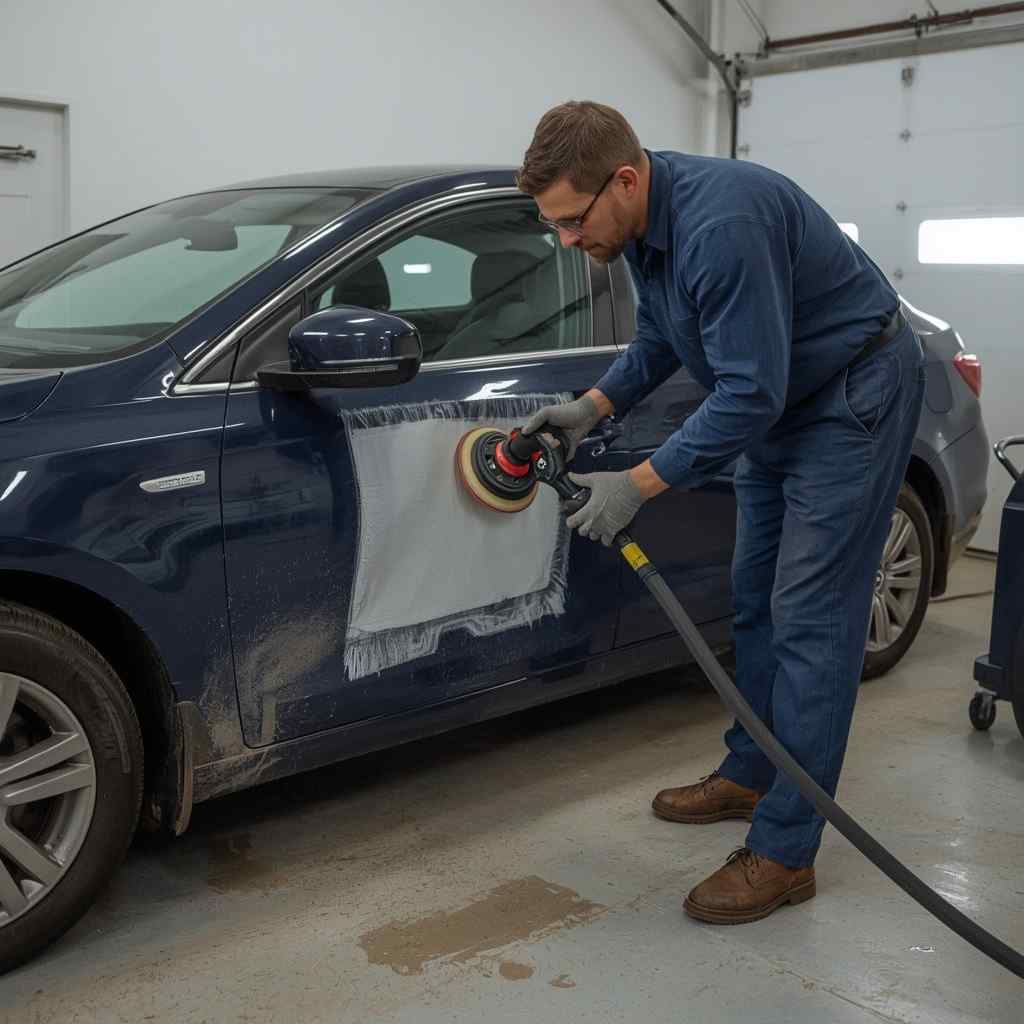
A hydrophobic ceramic top layer does not strengthen weak filler, unstable primer or peeling clear coat. When a defect appears, the layer stack helps identify whether it began in the coating, preparation, repaint or body repair.
Photograph the accepted repaint before coating. Record which panels were refinished, the completion date, any polish or dust correction and the agreed protection date. That evidence makes a later water-spot, haze, peeling or colour complaint easier to diagnose.
Coating readiness is more than elapsed time
Paint-system gate
The refinisher identifies the clear-coat system, bake or air-dry conditions and any product-specific restriction. A generic number from another paint brand does not override this information.
- Repaint date and panels
- Curing route
- Earliest polish and protection date
- Written aftercare
Finish-quality gate
The vehicle is inspected clean and dry under useful light. Colour, metallic or pearl effect, gloss, texture, dust correction, edges and overspray are accepted before coating changes slickness and water behaviour.
- No unresolved mismatch
- No solvent pop or pinholes
- No sinking repair edge
- No fresh reassembly chip
Preparation gate
The detailer chooses the least aggressive process that produces a clean surface. Strong solvent, heavy compounding or repeated polishing is not automatically appropriate on a new clear coat.
- Compatible wash chemistry
- Contamination assessment
- Approved polish if needed
- Panel wipe and test area
Protect only a finish you would accept uncovered
View the repainted area from close range and from several metres away. Close light reveals dust, sanding texture, pinholes and edge defects. Longer reflections reveal panel shape, orange-peel relationship and a blend that changes across the side of the vehicle.
Metallic and pearl colours need several angles. A panel can match face-on and appear lighter or darker at an oblique angle because effect orientation or pearl layer count differs. Ceramic coating can deepen gloss, but it cannot correct the underlying effect relationship.
Check door edges, handles, mouldings, lamps, fuel flaps, wheel arches and apertures. A coating should not be used to disguise overspray or rough masking. If a conventional gloss panel needs dust-nib correction, let the refinisher complete it after suitable cure and record the result.
Matte and satin paint are different. Routine polishing can create permanent glossy patches. A coating must be explicitly suitable for low-gloss finishes and tested for appearance before the whole vehicle is treated.
Correction is not mandatory
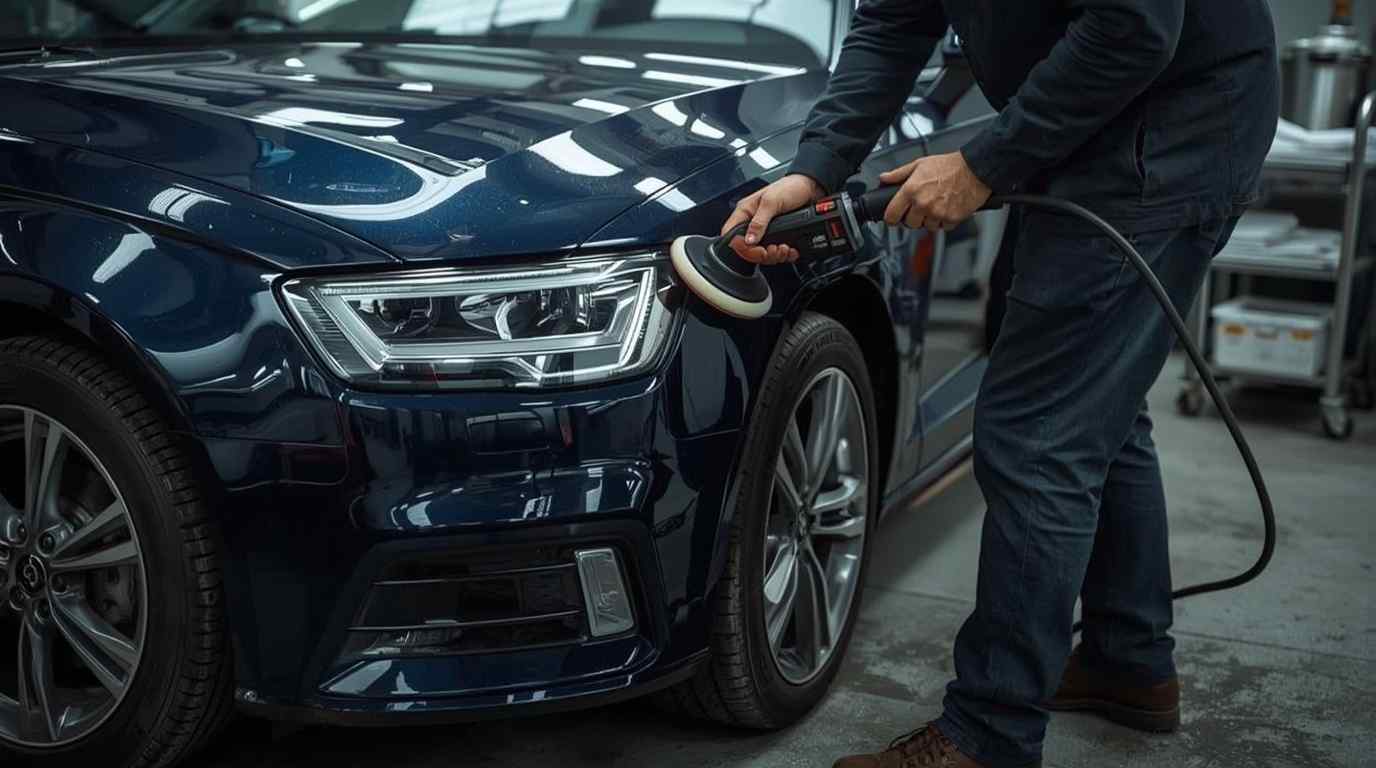
A freshly repainted panel should not receive automatic multi-stage correction. Measure and inspect first. Polish only when a real defect and paint condition justify it.
Panel wipe is chemistry
Oil-removing products vary in solvent strength and dwell. The detailer should confirm compatibility with the cured refinish rather than treating every panel as factory paint.
Edges need restraint
Machine-polishing at fresh edges, body lines, sensors and trim openings can reduce film build quickly. Protect or hand-finish sensitive areas where appropriate.
Coating cannot freeze evidence
If colour or workmanship is disputed, resolve it before coating. Another layer can make testing, polishing or repainting more complicated.
Ceramic coating changes maintenance, not collision physics
It can improve chemical resistance, water behaviour and ease of cleaning according to the product, but it does not prevent deep scratches, stone chips, shopping-trolley dents or accident damage.
Gloss can make colour and texture look richer while a mismatch or panel-shape concern remains. Judge the repaint before coating under more than one useful light.
Beading can change with contamination, toppers and wash products. It does not by itself prove coating thickness, paint adhesion or the condition of the repaired layers.
Dust, mineral deposits, bird droppings and harsh brush washes can still mark coated paint. Use suitable wash media and dry the surface instead of allowing Dubai heat to bake deposits.
Decide the protection stack before either installation
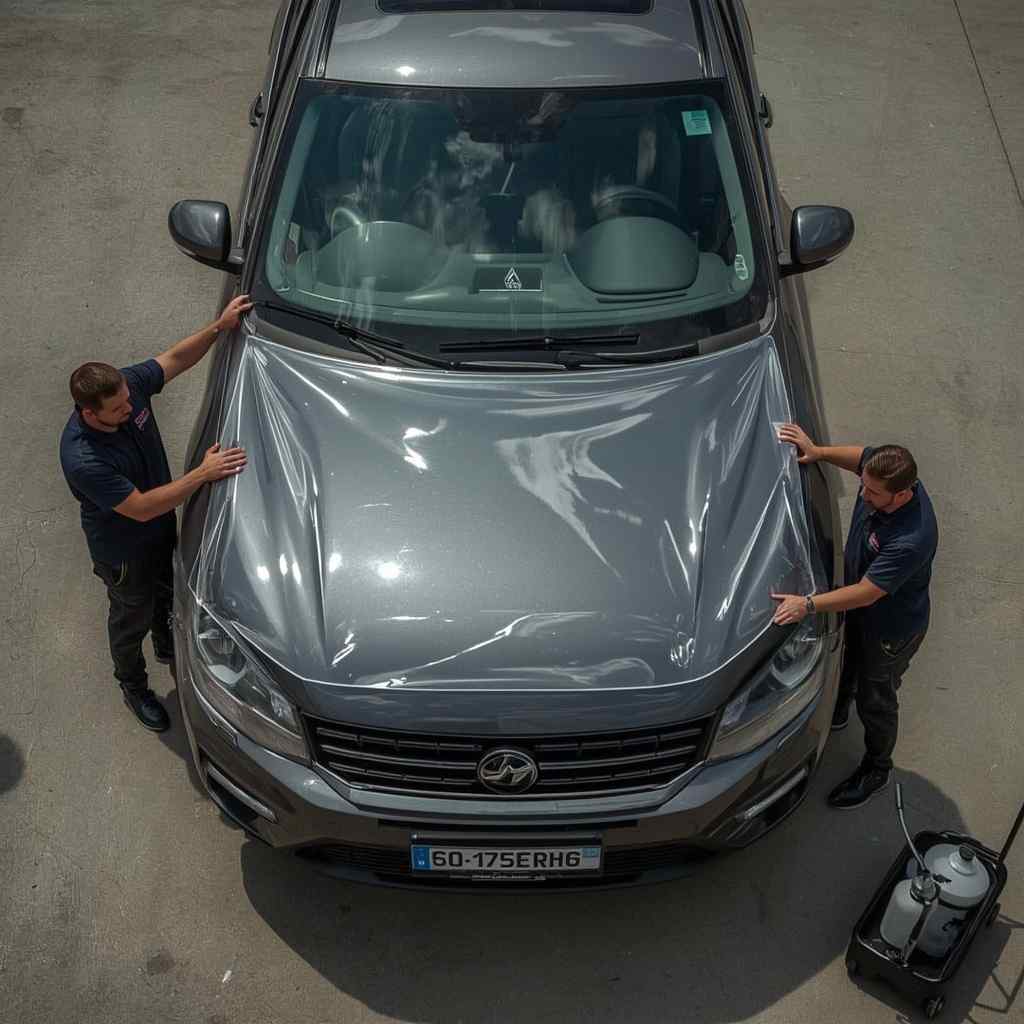
If both paint protection film and ceramic coating are planned, define the sequence with the film and coating providers. Film normally needs a properly prepared paint surface for adhesive contact. A coating applied first can change surface energy and may interfere with film installation unless the specific system supports it.
Coating can be applied over compatible PPF to alter cleaning and water behaviour, but the film maker and installer instructions control preparation. The coating does not turn PPF into collision protection, and future film replacement may also remove the coating on that section.
Read the PPF after repaint guide before booking both services. Record painted panels, film coverage, seams, coating coverage and which warranty applies to each layer.
Paint and coating terms must stay separate
A paint workmanship warranty may cover eligible defects in the repaired area while excluding impact damage, corrosion outside the repair, environmental contamination, later polishing or unsuitable chemicals. A ceramic coating warranty may depend on preparation, maintenance, inspections and approved products.
Neither provider should reject a concern without inspecting the symptom and layer. Photograph the issue, stop adding products and ask whether the coating, preparation, clear coat or underlying repair needs testing. Do not aggressively polish away the evidence.
The car paint warranty guide explains why panel scope, invoice, date, aftercare and later treatments should be documented.
Keep four records with the vehicle
Repaint record
Panels, repairs, paint system, completion date, rectification and written aftercare.
Acceptance photos
Clean finish under inspection light before coating, including edges and adjoining panels.
Coating record
Product, preparation, application date, cure instructions, exclusions and maintenance.
Concern route
Who to contact, what not to apply and how a joint paint and coating inspection will be arranged.
After handover, use pH-appropriate wash products, clean tools and a gentle drying method recommended for the coating. Remove bird droppings, tree sap, fuel and mineral deposits promptly. Avoid brush washes and unapproved abrasive polishes. A coating can make routine cleaning easier, but safe washing still protects the finish.
The same coating appointment can begin with very different paint histories
A new replacement panel may have a supplier-applied transport or primer coating, then a body-shop primer, colour and clear-coat system. A repaired original panel may have filler, feathered old paint, primer surfacer and blended colour. A full repaint can sit over many factory and previous-repair layers. The visible top coat does not reveal every interface below it.
A small bumper repair can include flexible plastic preparation and a local colour blend. The coating installer should know whether sensors, grilles or textured trim were removed and where the painted boundary ends. Product residue left in a sensor opening or on unpainted plastic should be avoided.
A bonnet or roof repaint may receive greater sun exposure and water spotting in Dubai. That makes protection useful, but it does not justify coating before the clear coat is ready. These large horizontal surfaces also show polishing haze and coating high spots more clearly under direct light.
A colour-change repaint creates another documentation need. Door jambs, apertures and hidden returns may or may not be included, while the ceramic package may cover only exterior faces. The coating map should identify exactly where protection stops so an uncoated edge is not later mistaken for application failure.
Matte paint needs a separate coating decision
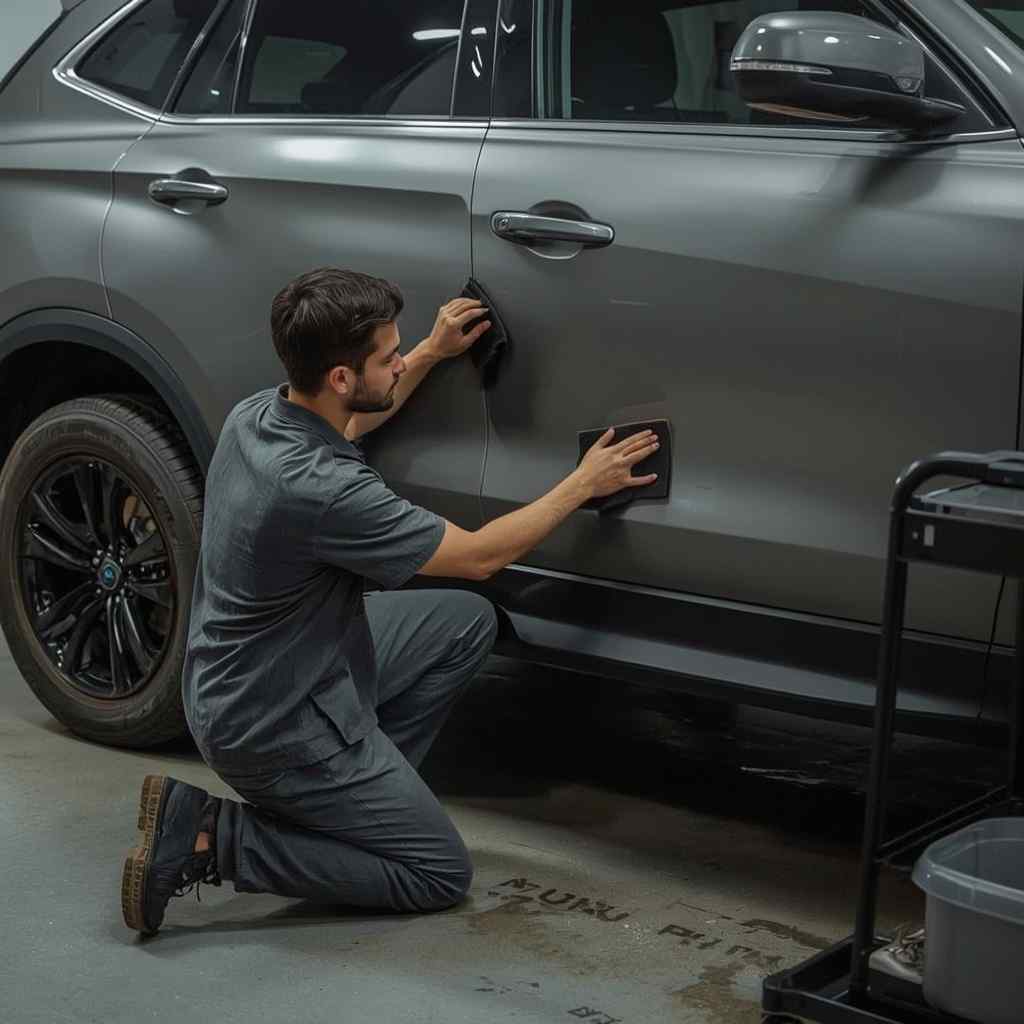
Matte and satin clear coats create appearance through controlled surface texture. Conventional polishing reduces that texture and can create glossy patches that cannot be blended away easily. Preparation should therefore avoid the correction routine used on gloss paint.
A coating can darken, enrich or otherwise alter a low-gloss finish. Even when labelled suitable for matte paint, it should be tested in an inconspicuous agreed area or on a representative sample. The customer should approve the visual change, not only the water behaviour.
Pearl, tinted-clear and high-effect metallic finishes also deserve a pre-coating check from several angles. Coating can improve apparent depth, which may make a subtle mismatch easier rather than harder to see. The underlying colour relationship remains a paint issue.
Textured plastic, satin trim, unpainted rubber, glass, wheels and brightwork can require different coating products and preparation. A whole-car coating package should list each surface instead of using one paint product indiscriminately.
Diagnose the symptom without destroying the evidence
High spots can appear as dark or rainbow-like patches where coating was not levelled correctly. Water spots can sit on contamination or within the coating surface. Haze may come from polishing, preparation residue, coating application or the clear coat below. Peeling or lifting requires a layer-by-layer inspection.
First wash and dry the vehicle only with the approved method if the provider confirms that washing is appropriate. Photograph the concern under the light where it is visible. Do not compound, sand, clay or apply a topper before the coating installer records it.
If the symptom follows the repainted panel boundary, involve the body shop. If it follows applicator strokes, missed edges or coating coverage, involve the coating provider. A joint inspection is preferable when the cause is uncertain. The goal is diagnosis, not shifting responsibility through assumptions.
Coated paint still needs controlled washing
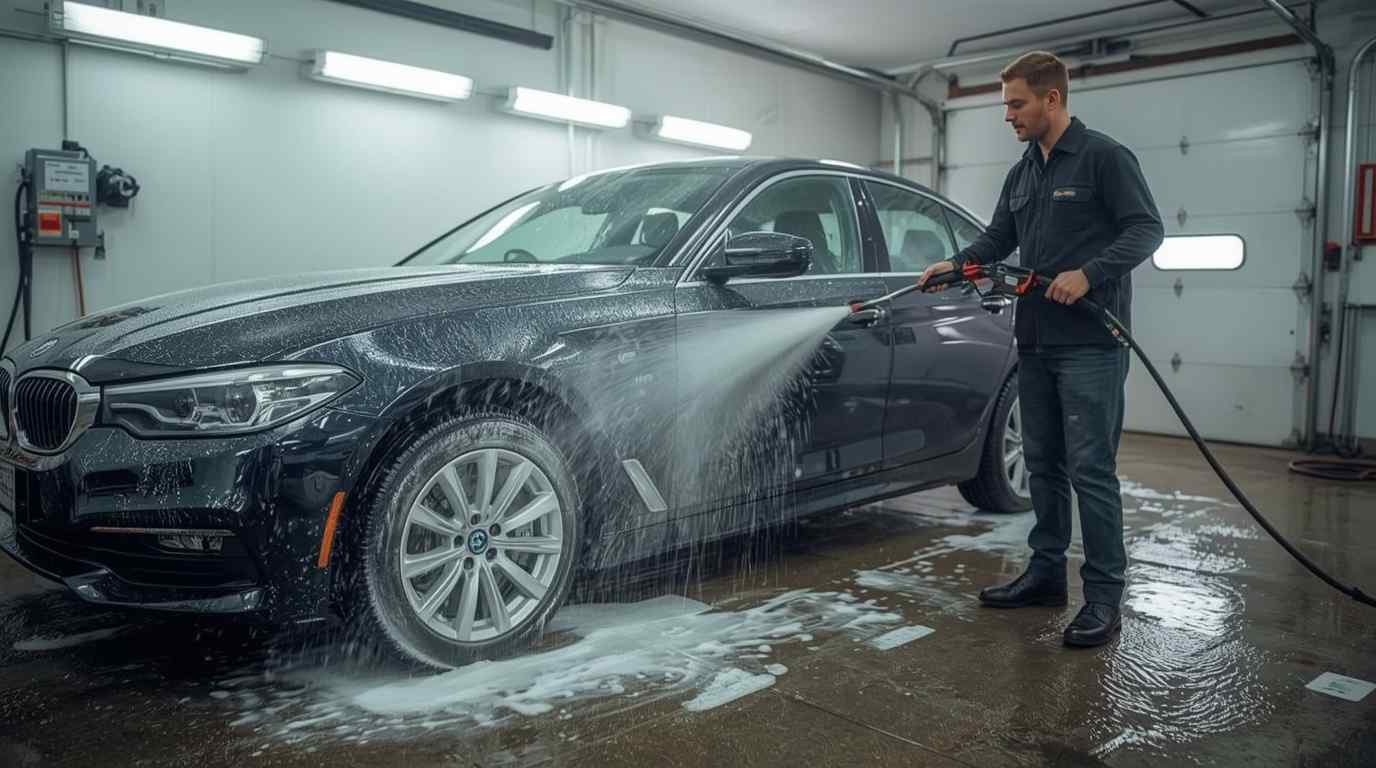
Rinse loose dust before contact washing. Use clean wash media, separate heavily contaminated lower areas and dry the surface rather than letting hard-water droplets bake in the sun. A shaded, cool panel reduces streaking and chemical dwell problems.
Avoid automatic brush washes, unknown acidic or alkaline cleaners and abrasive polishes unless the coating provider approves them. Decontamination products, water-spot removers and clay can reduce or alter coating performance. Test and document any corrective process.
Inspect leading edges, horizontal panels, areas below mirrors, fuel-filler surroundings and lower doors regularly. These zones collect impact, water, fuel or road residue. Prompt gentle cleaning protects both coating appearance and the repaint below.
If accident repair is needed later, tell the estimator that ceramic coating is present. The affected panel and any blend panel may need coating removal during paint preparation and reapplication after the new refinish reaches its protection date.
Check whether your repaint is coating-ready
Send the repair record
Send the repaint date, panels, invoice, finish type and any visible concern. We will separate paint rectification, cure guidance and ceramic coating preparation.
Declare the protection sequence
Include any planned PPF and the products already used since painting. This prevents incompatible preparation and gives the estimator a complete protection sequence. Keep the written release with both service invoices.
Photograph the accepted finish
Photograph the accepted finish before the first preparation wash. A clean starting record protects the customer, painter and coating installer if a later symptom crosses service boundaries.