What Is Spot Denting?
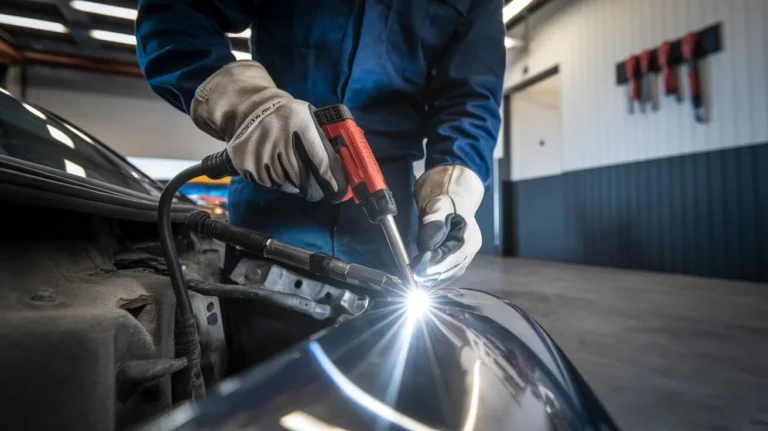
Spot denting is all about precision. Instead of removing and replacing an entire panel, it targets just the damaged area, restoring the metal without disturbing the surrounding paint. Think of it like surgery with a scalpel, not a sledgehammer. Traditional dent repair often means sanding, filling, repainting, and sometimes replacing parts altogether. Instead, professional Car Dent Repair in Dubai uses spot denting to deliver flawless results without full resprays.
There are two main approaches. Paintless spot denting works when the paint is intact, using tools to massage the metal back into shape. Painted spot denting comes into play when the surface is scratched or cracked, requiring touch-up after the dent is removed. Either way, spot denting is designed to fix the flaw without compromising the rest of the panel. It is smart, subtle, and built for modern detailing standards.
The Science Behind Spot Denting | Understanding Metal Memory
Understanding how spot denting works starts with knowing how metal behaves under stress. Here’s what’s happening beneath the surface:
- Metal memory is real: Most automotive panels, especially aluminum and high-strength steel, have a built-in tendency to return to their original shape when manipulated correctly. That’s the foundation of spot denting.
- Dents are just controlled deformations: When a panel gets hit, the metal stretches or compresses. But unless it’s torn or sharply creased, that distortion can be reversed using the right tools and techniques.
- Heat helps soften the metal: A heat gun is often used to make the panel more flexible. This allows for smoother reshaping without cracking the paint.
- Cold can tighten tension zones: In some cases, dry ice or compressed air is used to rapidly cool the metal, helping it snap back into place. This is especially useful in shallow dents.
- Spot denting is about finesse, not force: The goal is not to hammer the dent out—it’s to guide the metal gently, letting its natural memory do the heavy lifting. That’s why spot denting is so effective on high-end vehicles.
Essential Tools Used in Spot Denting
Spot denting is not just about knowing where the dent is; it is about using the right tool at the right moment. Each tool plays a specific role in reshaping the panel without damaging the paint or overworking the metal. Here’s a breakdown of the essentials:
- Knockdown hammers: These are used to flatten high spots after pulling. They come with interchangeable tips, rubber, plastic, or metal, depending on the surface and paint type. Tip: Keep the tips clean and check for wear. A worn-out hammer head can leave micro-marks that show up under sunlight.
- Mini lifters: These compact pullers grip glue tabs and apply upward pressure to lift the dent. They’re ideal for small, shallow dents where precision matters. Tip: Avoid overtightening. Too much force can stretch the metal or crack the paint.
- Glue tab: These tabs stick to the dented area using specialized hot glue. Once cured, they’re pulled using lifters or slide hammers. Tip: Use high-quality glue and clean the surface thoroughly. Residue or dust weakens the bond and ruins the pull.
- Heat guns: Heat softens the panel, making it easier to manipulate. It also helps release glue tabs cleanly without damaging the paint. Tip: Keep the gun moving. Holding it in one spot too long can blister the clear coat.
- Dent rods: These are inserted behind the panel to push the dent out from the inside. They come in various shapes and lengths to reach tricky spots. Tip: Store rods properly. Bent or rusted rods lose accuracy and can scratch inner surfaces.
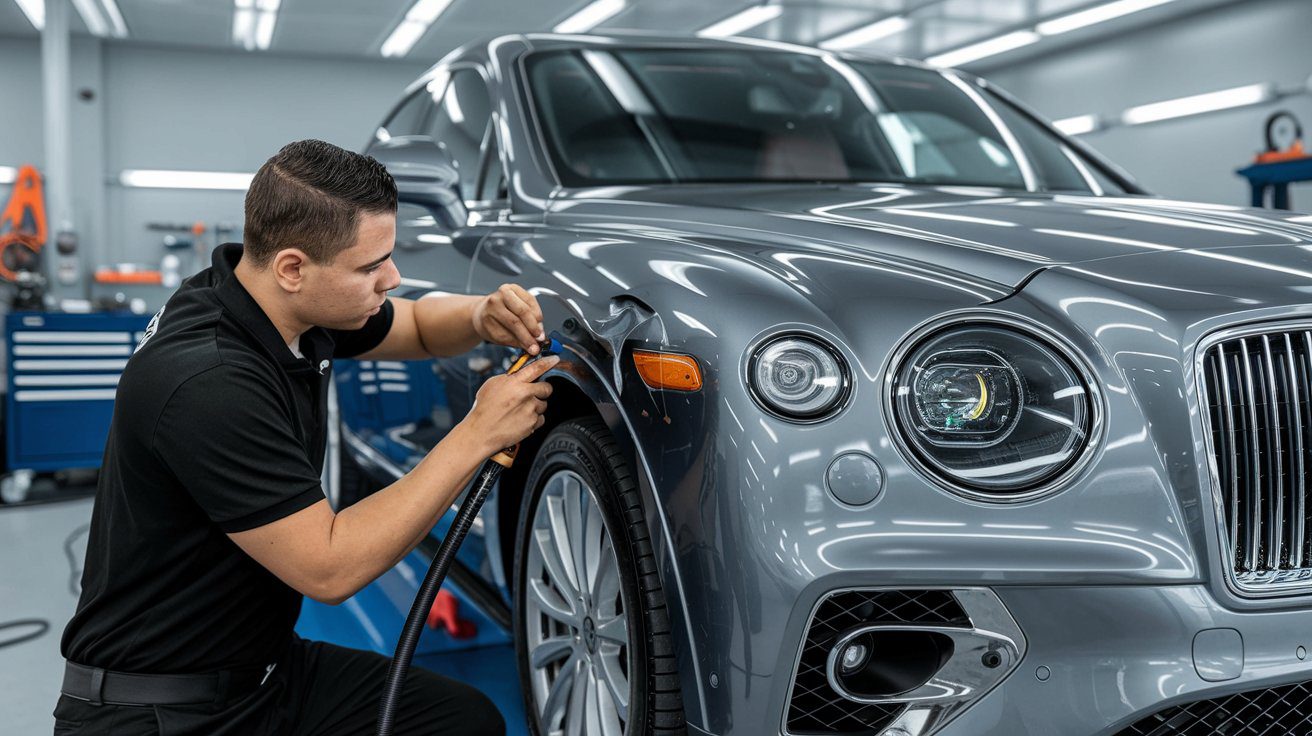
In spot denting, tool control is everything. You are not just fixing a dent, you are preserving the integrity of the panel. That is why pros in Dubai’s detailing scene treat their tools like surgical instruments. Clean, calibrated, and ready for precision. Whether you are working on a Bentley or a daily driver, the success of spot denting depends on how well you know your tools and how well you care for them.
Step-by-Step Guide to Spot Denting
You do not need a full respray to fix a minor dent. What you need is control, patience, and the right process. Here’s how spot denting is done in professional detailing setups—step by step.
Step 1 | Surface Preparation
Before anything touches the panel, it has to be clean. Dirt, wax, or polish residue can interfere with glue adhesion and tool accuracy.
- Wash the area thoroughly.
- Use a degreaser to remove oils.
- Identify the dent’s edges. This tells you how deep it is and how the metal has stretched.
In spot denting, prep is half the battle. If the surface is not clean, the repair will not hold.
Step 2 | Access Point Identification
Not every dent is accessible from the outside. Some need to be approached from behind the panel.
- For doors, remove trim or interior panels.
- For hoods or bumpers, check for factory access holes.
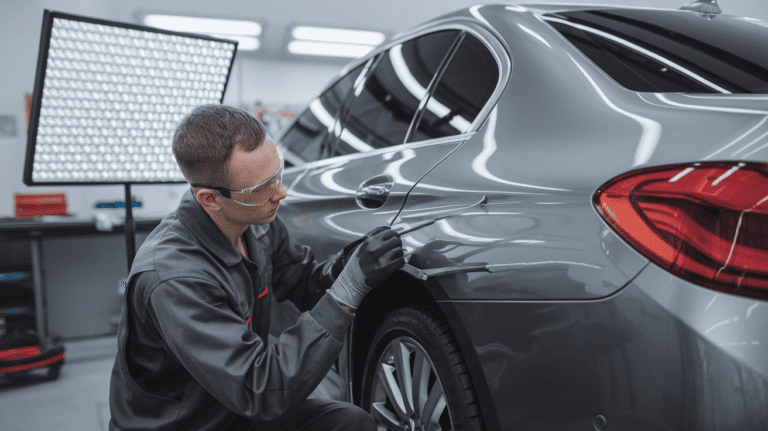
- Use inspection lights to map out the dent’s depth and direction.
Spot denting relies on knowing where to push and where to pull. Guesswork leads to overcorrection.
Step 3 | Tool Selection and Application
This is where experience matters. The wrong tool can stretch the metal or crack the paint.
- Use glue tabs and mini lifters for shallow, surface-level dents.
- Use dent rods for deeper dents with backside access.
- Apply heat if the panel feels stiff or the paint is brittle.
Every dent tells a story. In spot denting, your tools are the translators.
Step 4 | Dent Manipulation
Now comes the actual reshaping. This is not brute force it is finesse.
- Pull gently with glue tabs, checking progress after each pull.
- Tap down high spots with knockdown hammers.
- Use heat to soften tension zones and avoid paint damage.
Spot denting is about guiding the metal, not fighting it. The goal is to restore shape without leaving a trace.
Step 5 | Finishing Touches
Once the dent is gone, the final details matter.
- Polish the area to remove any glue residue or tool marks.
- Blend the surface to match the surrounding panel.
- Inspect under direct light to catch imperfections.
In Dubai’s luxury market, spot denting is judged by the finish. If it looks untouched, you did it right.
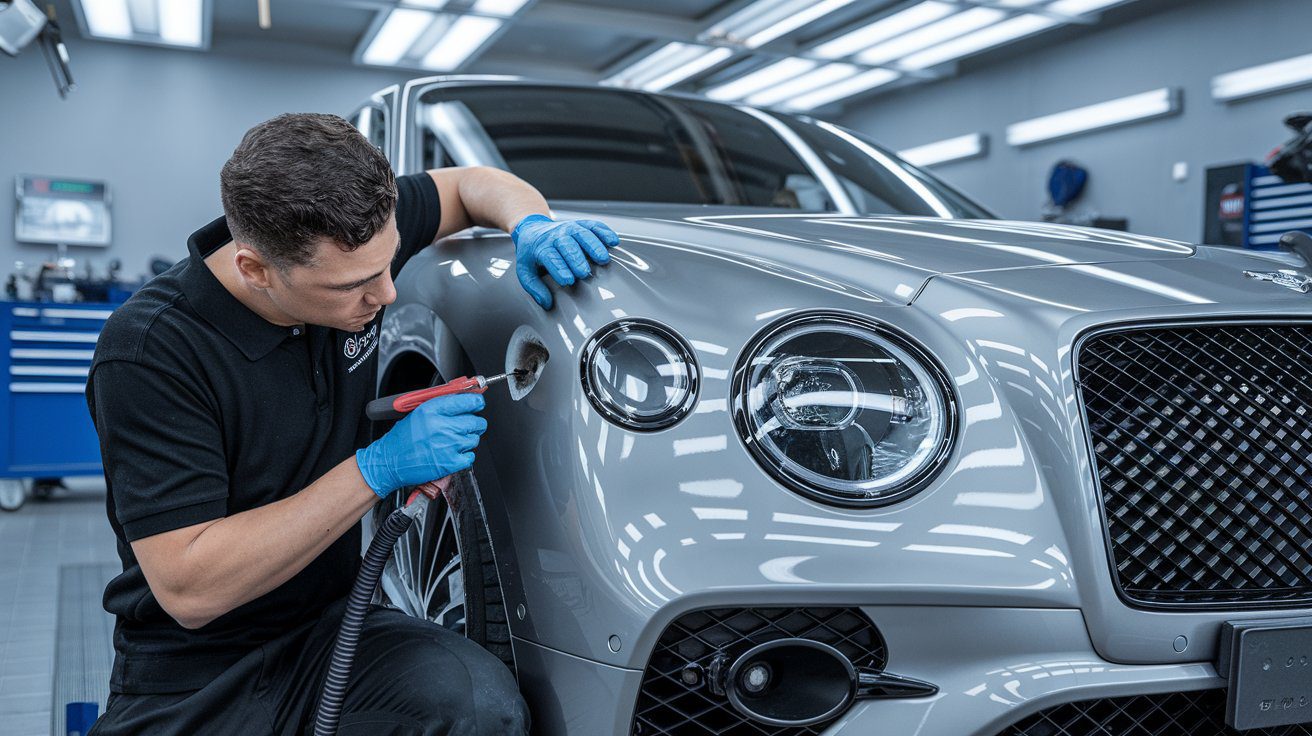
Types of Dents Ideal for Spot Denting
Not all dents are created equal. Some are perfect candidates for spot denting, while others demand more invasive repair. Knowing the difference saves time, money, and paint.
Best Candidates for Spot Denting
These dent types respond well to precision techniques and minimal intervention:
- Door Dings: Common in parking lots, these shallow dents are perfect for spot denting. For deeper issues, check our detailed guide on Car Scratch Removal Costs in Dubai to understand repair pricing.”
- Hail Damage: Multiple small dents across the roof, hood, or trunk can be treated one by one. With the right lighting and tools, hail repair is a textbook use case.
- Bumper Indentations: If the bumper is plastic and the paint isn’t cracked, heat and suction can restore its shape without repainting.
- Crease Dents (if shallow): These are trickier. If the crease hasn’t stretched the metal too far, careful manipulation can restore the panel. But deep creases often need filler and paint.
Limitations of Spot Denting
Spot denting is not a cure-all. It works best when the paint is undamaged and the metal hasn’t stretched beyond its memory.
Avoid it when:
- The dent has sharp edges or torn metal.
- Paint is cracked, chipped, or flaking.
- The panel has been previously repaired or filled.
- The dent spans multiple body lines or curves.
In these cases, traditional bodywork or paintless dent repair (PDR) with advanced reshaping tools may be more effective.
Spot Denting vs. Traditional Dent Repair
When deciding between spot denting and conventional methods, it’s all about context paint condition, dent severity, and customer expectations. Here’s how they stack up:
| Feature | Spot Denting | Traditional Dent Repair |
|---|---|---|
| Paint preservation | Usually preserved when suitable | Usually requires repainting |
| Typical cost | Usually lower for suitable minor dents | Usually higher because bodywork and refinishing may be involved |
| Typical repair time | Often faster | Usually longer |
| Panel replacement | Not normally part of a suitable spot-denting repair | Depends on damage severity and repairability |
| Technique | Specialist dent-manipulation skill | Conventional body and paint repair skill |
Pros of Spot Denting
- Preserves factory paint, which is especially valuable for luxury vehicles in Dubai’s market.
- Faster turnaround, often completed within hours.
- Lower cost, since there’s no need for paint, filler, or panel replacement.
- Ideal for minor dents with intact paint, door dings, hail damage, and bumper impressions.
Cons of Spot Denting
- Requires high skill and precision; not every technician is trained for it.
- Not suitable for deep, sharp, or paint-damaged dents.
- Limited effectiveness on panels with prior bodywork or stretched metal.
Spot denting is a finesse-based technique. When done right, it’s invisible. But when the damage is too severe, traditional repair with sanding, filling, and repainting becomes necessary. Traditional methods often require repainting, which can sometimes lead to mismatched finishes. Learn more about Types of Car Paint in Dubai and how they influence repair quality.
Paintless vs. Painted Spot Denting
Not all spot repairs are created equal. Depending on the dent and the condition of the paint, technicians choose between paintless and painted spot denting methods. Each has its place and its limits.
Paintless Spot Denting (PDR)
This method avoids sanding, filler, or paint. Instead, it uses specialized tools to massage the metal back into shape from behind or with glue pullers.
Best for:
- Dents with intact paint
- Shallow impressions
- Hail damage, door dings, bumper indentations
Advantages:
- Preserves factory finish
- Faster and more cost-effective
- No risk of color mismatch
Painted Spot Denting
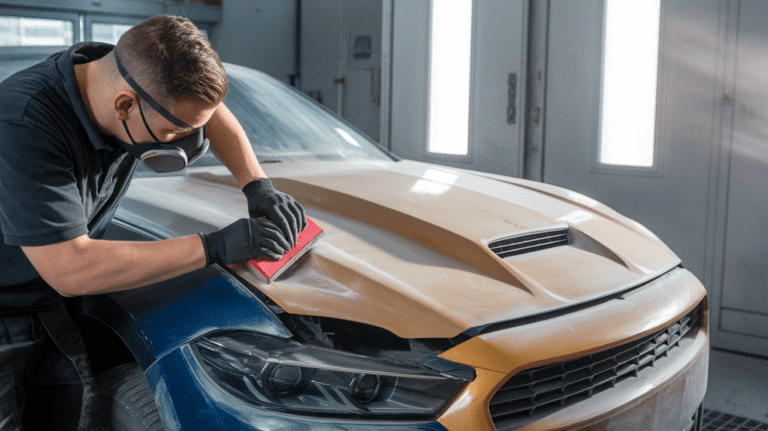
When the paint is cracked, chipped, or stretched, a painted approach is necessary. After reshaping the dent, the area is lightly sanded, primed, and repainted, usually blending into adjacent panels.
Best for:
- Dents with surface damage
- Creases or sharp impressions
- Panels with prior repairs
Advantages:
- Restores both shape and finish
- Suitable for deeper or more complex dents
How Spot Denting Adapts
Whether paintless or painted, spot denting is about precision. In both cases, the goal is minimal disruption, no full panel resprays, and no unnecessary replacements. The technician evaluates the dent, the paint condition, and the panel history before choosing the right path. In Dubai’s high-end market, spot denting often starts with a paintless approach and shifts to painted only when necessary.

Expert Tips for Mastering Spot Denting
Spot denting isn’t just a technique, it’s a craft. To move from competent to elite, you need more than tools. You need feel, finesse, and relentless practice. Here’s how top technicians sharpen their edge.
Want your dents fixed with this same level of precision? Visit Bodyshop Dubai today and let our experts restore your car’s flawless finish.”
Practice on Test Panels
Before touching a client’s car, work on scrap panels. Try different dent shapes, tool angles, and glue pullers. Learn how metal reacts to pressure, heat, and tapping.
- Create controlled dents with a punch tool.
- Practice both paintless and painted methods.
- Track your progress under inspection lights.
Understand Panel Tension and Metal Flow
Every panel has a memory. When dented, the metal stretches and shifts. Your job is to guide it back, not force it.
- Study how tension zones form around a dent.
- Use heat to relax stiff areas before reshaping.
- Tap down high spots gently to avoid overcorrection.
Mastering spot denting means knowing when to push, when to pull, and when to pause.
Learn to Read Light Reflections
Light is your truth-teller. It reveals distortion, depth, and subtle highs and lows.
- Use line boards or fog lights to map dent contours.
- Move your head and light source constantly.
- Train your eyes to spot micro-waves and tension shadows.
Maintain Tool Precision and Cleanliness
Dirty tools lead to glue failure, scratches, or misalignment. Keep everything spotless and calibrated.
- Clean glue tabs after every pull.
- Sharpen knockdown tips regularly.
- Store rods and lifters in padded cases.
In spot denting, precision is everything. A clean tool is a trustworthy tool.
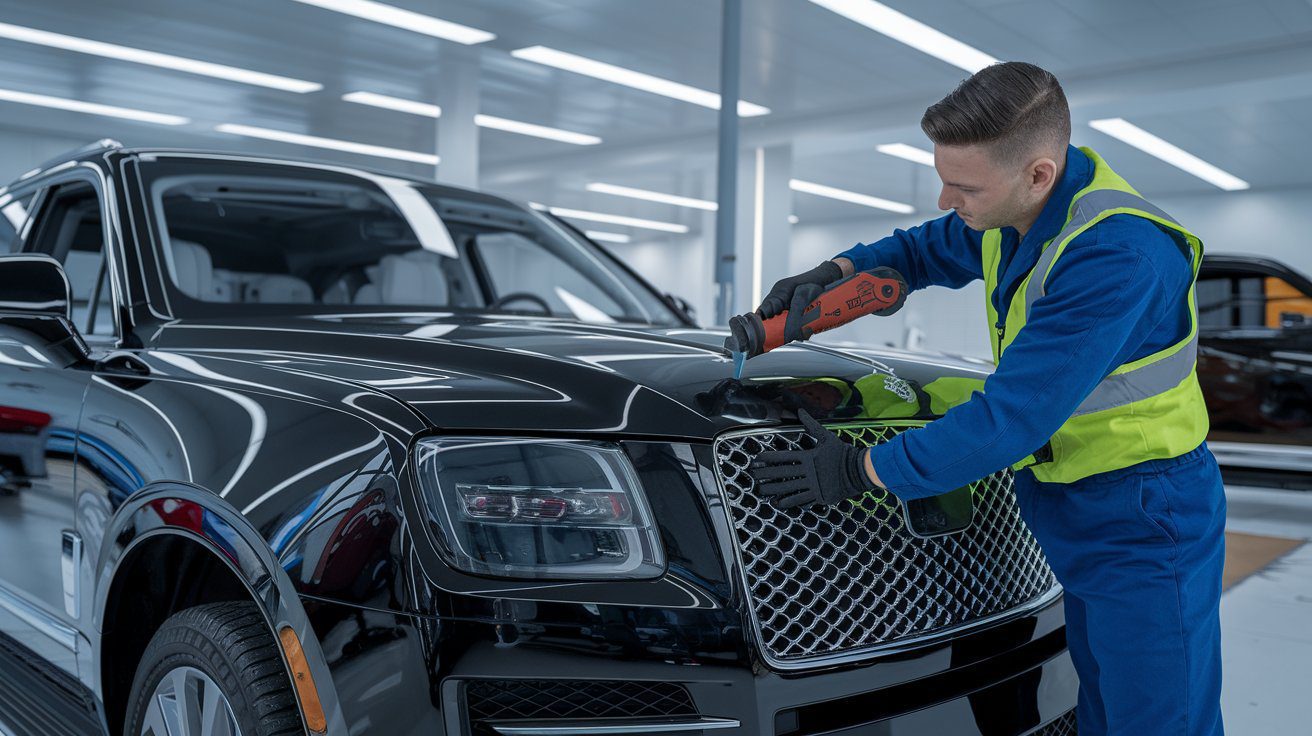
Why Spot Denting Is the Smart Repair Solution?
In a market where time, cost, and finish matter, spot denting stands out as the intelligent choice. It’s not just a shortcut; it’s a precision-driven solution that respects the integrity of the vehicle.
Fast, Cost-Effective, and Paint-Safe
- Speed: Most repairs are completed in hours, not days.
- Cost: No need for full panel resprays or replacements.
- Finish Preservation: Factory paint stays untouched, maintaining resale value and original aesthetics.
Whether you’re running a detailing workshop or managing a fleet, spot denting offers a high-quality fix without the downtime or expense of traditional bodywork.
A Win-Win for Workshops and Car Owners
For technicians, it’s a chance to elevate your craft and offer premium services. For car owners, it’s a smarter way to restore their vehicle without compromise.
Explore it. Invest in it. Master it. Spot denting isn’t just a technique, it’s the future of smart automotive repair.