
Inspection and measurement before final pricing
Car Chassis Repair Cost in Dubai
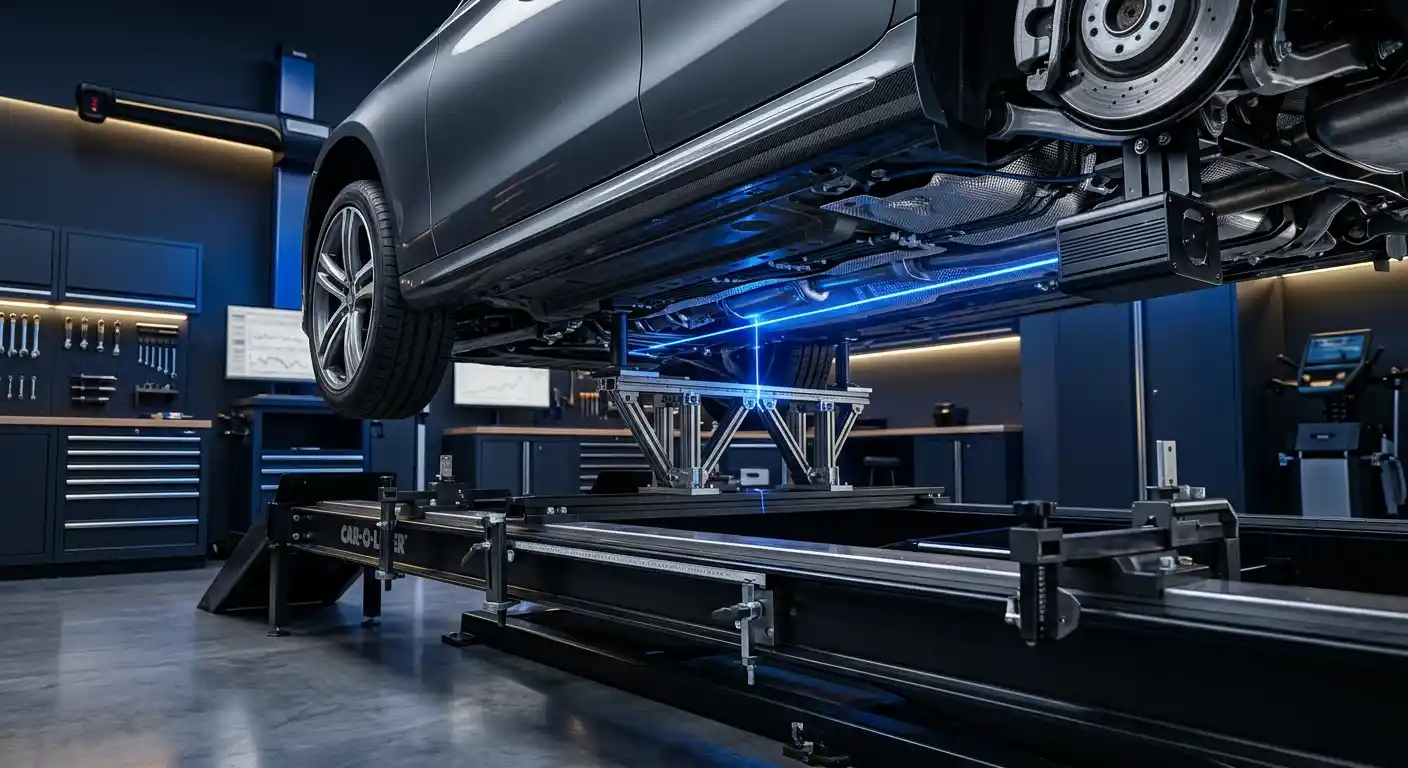
Photos can show where a vehicle was hit, but they cannot confirm chassis dimensions or hidden damage. A final quotation follows inspection, structural measurement and checks of any affected suspension, steering, restraint or electronic systems.
- Vehicle-specific reference points are checked before structural correction is priced.
- The repair method depends on the affected component, material and permitted procedure.
- Connected mechanical and safety-system work is separated from the structural scope.
What changes the quotation
Four factors that move chassis repair cost
The word chassis can refer to a rail, sill, floor, crossmember, frame, subframe or mounting point. A useful quotation identifies the affected area and the work required to measure, correct and verify it.
Damage depth and access
A visible crease may be easy to reach, while deformation behind fitted panels can require dismantling, bench setup and repeated measurements.
Material and repair limits
Conventional steel, high-strength steel, aluminium and composite structures do not share one correction or joining method.
Connected mechanical parts
Wheels, hubs, arms, steering parts, subframes, cooling components and mounting points can add separate work to the structural repair.
Safety systems and proof
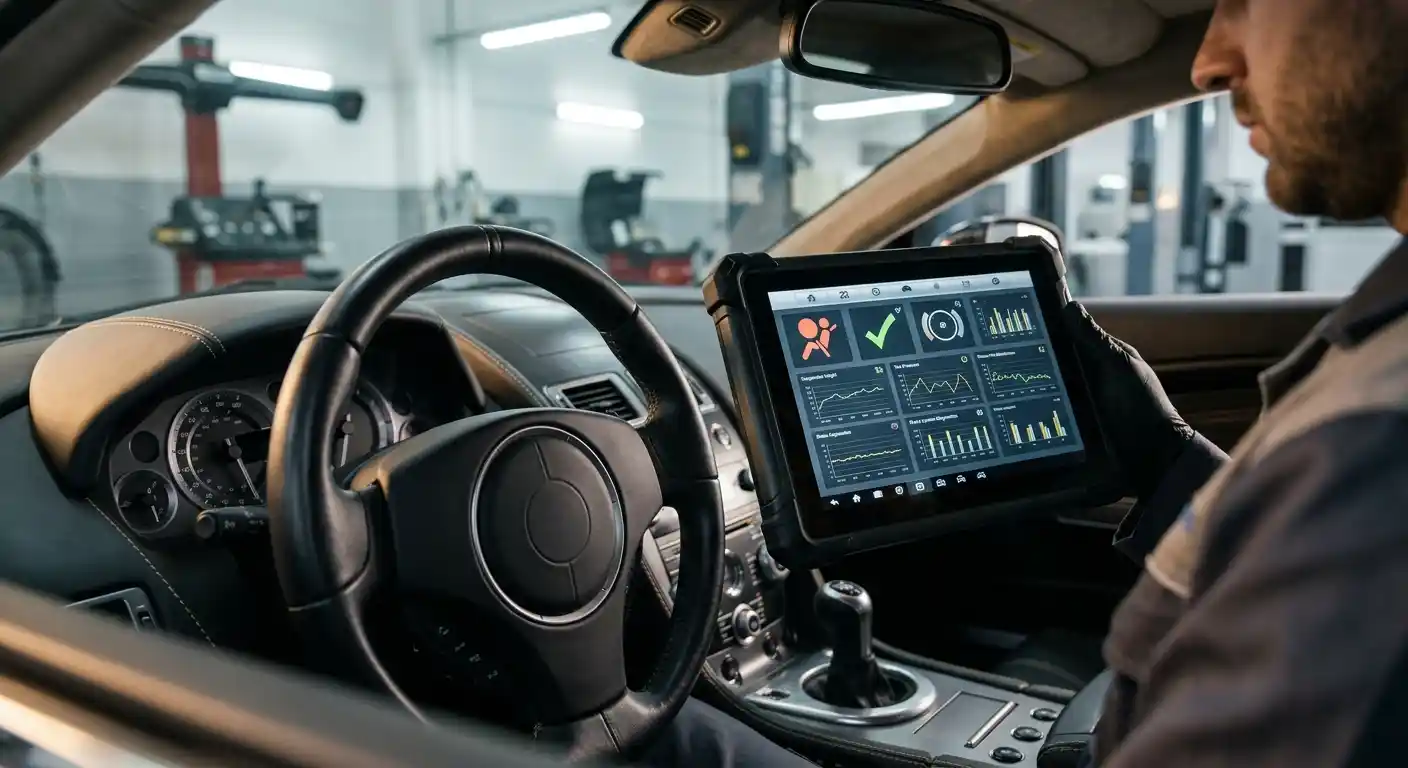
Airbags, seatbelts, sensors, diagnostic faults, alignment and calibration requirements can change both the price and handover checks.
How to read the published range
Separate diagnosis, structural correction and connected repairs
The AED 2,000–5,000+ range is useful only when the structural-work portion is understood. It is not a bundled maximum for every damaged part around the impact.
Inspection and measurement
Underbody access, diagnostic checks, vehicle-specific reference data and limited dismantling establish whether the concern is structural, mechanical or both. Ask whether this stage is separate or credited if repair proceeds.
Measured structural correction
Bench setup, controlled pulling, permitted repair, sectioning or replacement and repeat measurements can sit here. The exact method follows the affected material and location.
Connected repair and verification
Parts, paint, seam sealer, corrosion protection, restraints, suspension, steering, scans, wheel alignment and calibration can be additional items when the impact reaches them.
Safety stop
Do not continue driving if a wheel is displaced, a tyre rubs, steering or braking has changed, fluid is leaking, an airbag has deployed or a warning remains on. Arrange inspection or recovery where structural, steering, cooling, restraint or high-voltage risk is possible.
From impact to repair scope
How a measured structural quotation is built
A dependable estimate follows the force path, confirms dimensions and separates visible body damage from the systems connected to it.
- Map the impactPanel gaps, wheel position, warning lights, underbody marks and impact history guide the inspection.
- Measure reference pointsVehicle-specific data helps distinguish main-structure movement from a shifted subframe or replaceable suspension part.
- Confirm the permitted methodThe plan can involve controlled correction, repair, sectioning or replacement where the component procedure allows it.
- Restore connected areasMechanical parts, seams, corrosion protection, paint and safety systems are itemised according to the work found.
- Verify before handoverFinal measurements, alignment, diagnostic scans and calibration evidence are included where the repair scope requires them.
Make the first assessment useful
Send the details that help us understand the impact
Photos cannot confirm chassis dimensions, but they can show the affected side, visible deformation and whether inspection or recovery should be the next step.
- Vehicle make, model and year
- One wide photo of the damaged side
- Close photos of the impact and wheel position
- Any warning-light or diagnostic screenshots
- Changes in steering, braking, vibration or noise
- Police report or insurer reference where applicable
Inspection follows the force path
Where different impacts can lead the repair scope
The visible bumper or panel is only the starting point. The affected structure and connected components change with the direction and location of the impact.
Rails, cooling and suspension areas
Crash boxes, rails, cooling supports, lamp brackets and suspension points can sit behind a recovered bumper. See front-end collision repair for the wider front repair scope.
Boot floor, rails and sealing
Rear rails, boot floor, the rear body panel, exhaust, parking sensors and suspension areas can be connected. Tailgate geometry and water sealing matter alongside paint. See rear-end collision repair.
Sill, pillars and restraint systems
The sill, floor, roof rail, pillars, seat mounts, seatbelts and side-airbag systems can be part of one impact path. High-strength material can rule out a simple straighten-and-paint approach.
Alignment is not the diagnosis
A tyre, wheel, hub, arm, steering component or subframe can bend without obvious paint damage. An alignment printout alone does not prove whether the cause is adjustable, replaceable or structural.
Repair versus replacement
The correct choice follows measurement and the component procedure
A straight-looking outer panel does not prove that the structure behind it is within specification. Material grade, crush design, joining locations and the position of the damage decide what can be corrected safely.
Repair can be appropriate
Measured deformation may be correctable when it remains inside an approved repair area and the permitted method can restore the required dimensions.
- Reference points can be accessed and checked
- The material allows the proposed correction
- No prohibited heat or joining method is required
- Final dimensions and connected systems can be verified
Replacement can be necessary
Tearing, crushed reinforcement, restricted materials, damaged critical mounts or an unacceptable joining location can rule out correction.
- The part cannot meet its dimensional requirement
- A suspension, restraint or safety-critical mount is affected
- The vehicle procedure restricts repair in that location
- Repair labour and verification no longer make economic sense
Do not compare “straighten” and “replace” as single words. Ask which component is affected, what measurement supports the decision, which vehicle procedure applies and what verification will be recorded. Read the full car chassis repair process for more detail on workshop assessment and repair planning.
Dubai paperwork and approval route
Keep workshop evidence, insurer approval and technical inspection separate
These stages can relate to the same collision, but they are not interchangeable. The quotation should state what is included, what needs outside approval and what may remain a later inspection contingency.
Private repair
Ask for a written scope, the affected component, the proposed method and how newly exposed damage will be documented before the quotation changes.
Insurance repair
Keep the accident report, claim reference, photos and initial estimate together. Damage found after dismantling or measurement may need to be documented and approved as supplementary work. Dubai Police provides its official traffic and accident services.
CCM and RTA contingency
A workshop measurement record can support the repair file, but it is not an RTA approval. Where a technical inspection requires its own chassis assessment, treat that as a separate timing and cost contingency. The RTA provides an official vehicle technical-status service.
Before approving structural welding or a cut-and-join proposal
Ask which structural member is affected, whether the vehicle procedure permits the method, what measurements will be recorded before and after work, and how corrosion protection and future inspection evidence will be handled.
Chassis repair cost questions
Frequently asked questions
How much does car chassis repair cost in Dubai
The page provides an indicative AED 2,000–5,000+ planning range for qualifying measured structural correction. Inspection, dismantling, replacement parts, paintwork, mechanical repairs, restraints, diagnostics, alignment and calibration may be separate when required. The final quotation depends on the actual vehicle and repair scope.
Can photographs provide a final chassis quotation
No. Photographs can show the impact location and visible deformation, but they cannot confirm reference-point dimensions, hidden joins, suspension geometry or damage behind fitted parts. They are useful for deciding the next inspection step.
Does wheel alignment fix chassis damage
No. Wheel alignment can diagnose or adjust suitable geometry, but it cannot restore a bent rail, torn mounting point or damaged suspension component. The underlying cause must be identified first.
Can a damaged car chassis be repaired
Some measured deformation can be corrected using a permitted repair method. Severe damage, restricted materials, critical joining areas, battery-area involvement or poor repair economics can make component replacement or a different decision necessary.
How long does chassis repair take
Timing depends on measurement, access, approval, parts availability, bench work, mechanical repairs, paint curing and final verification. A useful estimate separates the job into inspection, approved repair, restoration and handover stages rather than promising one duration from a photograph.
Is chassis damage automatically a total loss
No. Total-loss or uneconomical-repair decisions depend on the complete safety, parts, labour, approval and vehicle-value picture. A repairable structure can still be uneconomical, while dramatic-looking damage may be limited to replaceable components.
Will a workshop CCM report guarantee an RTA pass
No. A workshop measurement report records checks performed for the repair file. It does not replace any assessment or decision required by the RTA technical-inspection process.
Decide from measured evidence
Get the next step for your actual vehicle
Send clear accident photos and vehicle details for an initial assessment, or call to arrange an inspection. A final structural quotation is issued only after the affected area and repair scope can be confirmed.