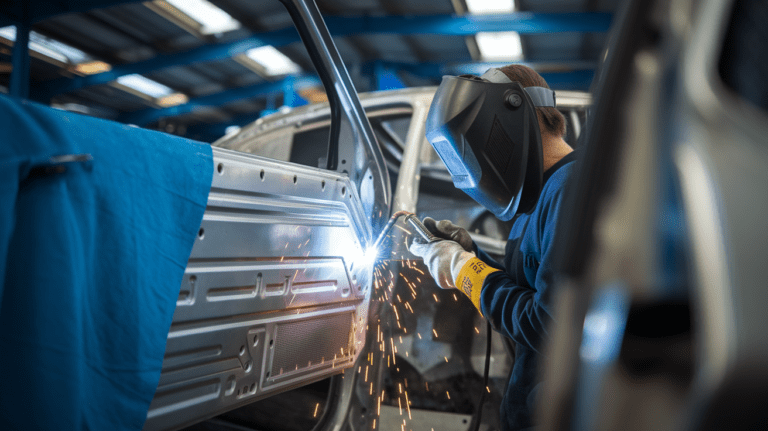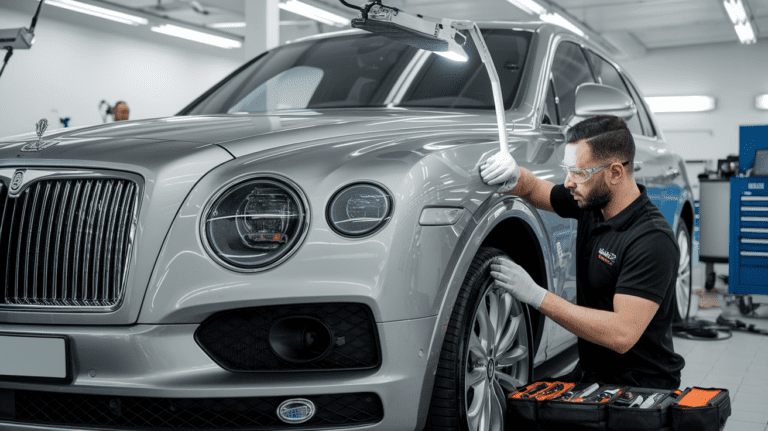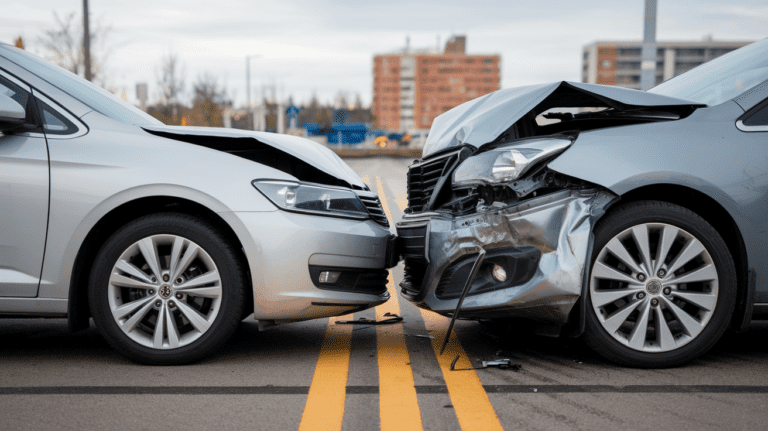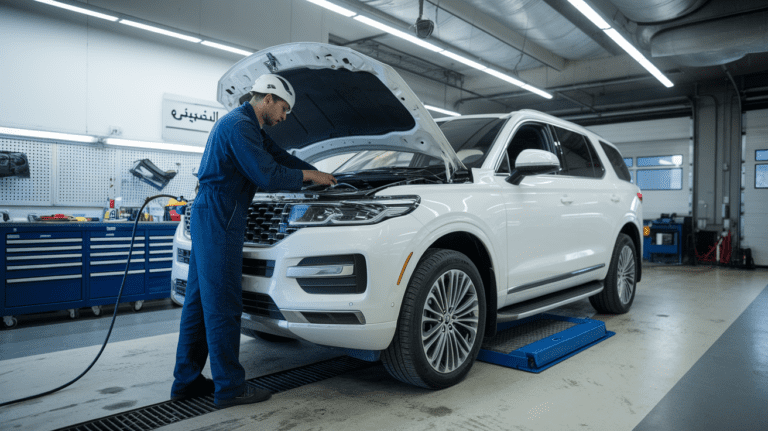
Paintless dent removal reshapes a damaged panel while retaining a stable existing finish. The method can work well for selected door dings, parking dents and soft creases, but the decision depends on paint condition, dent geometry, metal stretch, panel material and tool access. Dent size alone does not decide whether PDR will work.
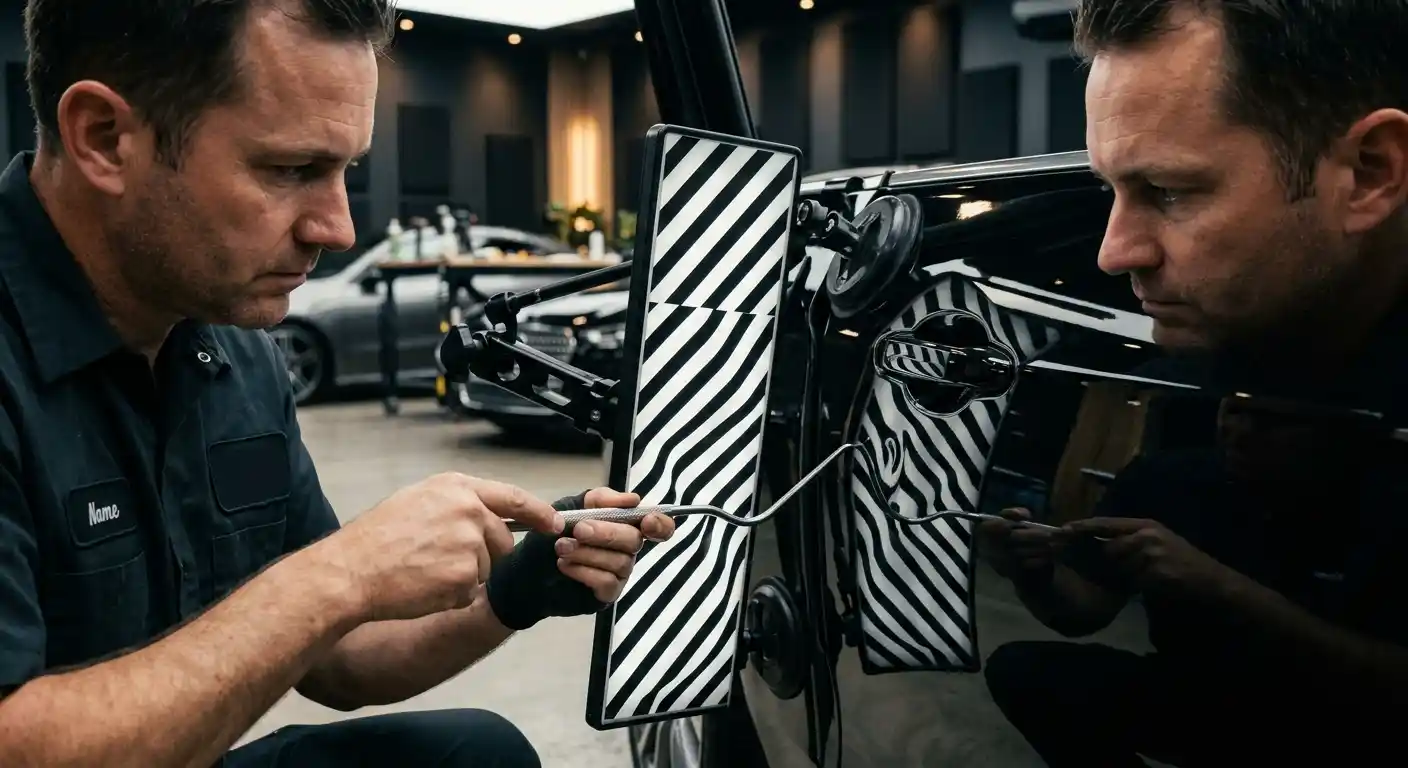
The five checks that determine PDR suitability
1. Paint condition
The paint must remain sufficiently stable while the panel moves. Cracks, lifting edges, exposed primer and brittle previous paint increase the chance that refinishing will be required.
2. Dent shape and metal stretch
A broad shallow dent can sometimes be more repairable than a small sharp impact. Deep centres, tight creases and pronounced crowns can indicate greater material displacement.
3. Location
Dents across edges, swage lines, seams and reinforced areas can be more complex than damage in an open section of a panel.
4. Access
Braces, double-skin construction, bonded sections, wiring, mechanisms and trim can restrict the safe path to the back of a dent.
5. Panel material and history
Steel and aluminium respond differently. Previous filler, repainting, corrosion or an earlier dent repair can also change the safe method and expected finish.
A photograph is not a sixth check
Photos support an initial assessment, but they cannot reliably show coating thickness, previous filler, backside access or every crown around the impact.
Which dents may be suitable for paintless repair?
| Damage condition | PDR direction | What still needs inspection |
|---|---|---|
| Shallow door ding with stable paint | Often worth assessing for PDR | Rear access, body-line position and surrounding crowns |
| Broad parking dent | May be repairable even when the diameter is noticeable | Metal stretch, edge involvement and panel tension |
| Soft crease | May support controlled reshaping | Sharpness, length, paint stress and access along the crease |
| Multiple small dents | Can be assessed panel by panel | Total dent count, roof or bonnet access, trim removal and paint history |
| Sharp dent with cracked paint | Usually moves toward conventional repair | Substrate exposure, stretching and refinishing scope |
| Dent on an edge or restricted reinforcement | PDR may be limited or unsuitable | Construction, safe tool path and acceptable finish target |
| Torn or severely deformed panel | Not a normal PDR candidate | Conventional repair versus replacement |
Words such as “small” and “minor” are not enough. A concentrated impact can stretch a small area significantly, while a larger soft depression may move more predictably. The technician must assess the complete shape rather than measure diameter alone.
Why previous paintwork matters
PDR aims to retain the coating already on the panel, so the condition of that coating matters as much as the dent. Factory paint, a sound professional refinish and an unknown earlier repair do not present the same risk.
A technician looks for colour or texture differences, sanding marks, filler edges, overspray and signs that the panel has already been repaired. Where appropriate, coating-thickness readings can support that assessment. A reading does not diagnose the complete repair by itself, but it can reveal that the surface is not original or uniform.
Body lines, edges and crowns make dents more complex
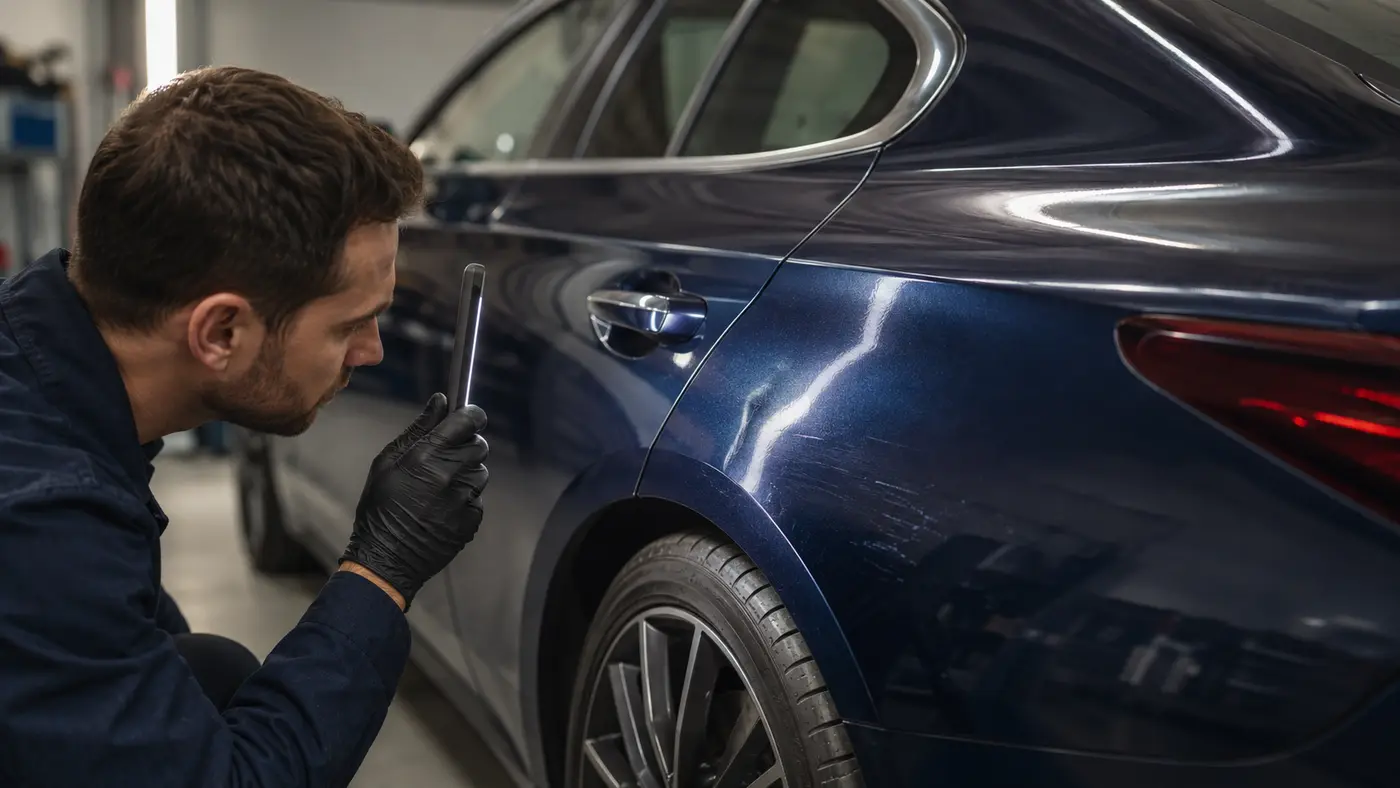
Vehicle panels are shaped with creases and curves that add styling and stiffness. When an impact crosses one of these areas, the visible low point is only part of the damage. Metal can move outward around the dent and create raised crowns. Restoring only the centre can leave waves or an incorrect reflection.
Edges and folded returns are also less free to move than open sheet metal. The technician has to judge whether the original contour can be restored without creating new highs, damaging paint or compromising the edge.
How paintless dent removal works step by step
- Clean and document the panel. Dirt and transferred material are removed so the paint boundary and full dent can be seen. The shop records the condition before dismantling.
- Read the reflection. Controlled lines or a reflection board reveal the low area, crowns, body-line distortion and small surface changes.
- Check paint, material and previous repairs. The technician assesses coating stability and identifies whether the working area is steel, aluminium or another material.
- Plan safe access. Access may require removing selected trim or liners. Wiring, side-impact equipment, window mechanisms, sensors and bonded components must be protected.
- Relieve tension and move the panel gradually. Controlled pushes from behind or carefully selected pulls from the exterior are used in small increments. The sequence depends on the dent, not a universal pattern.
- Refine highs and lows. The technician repeatedly reads the reflected lines, corrects small high points and continues until the contour reaches the agreed finish standard.
- Reassemble and inspect. Removed components are refitted, functions are checked and the panel is reviewed from different angles and lighting conditions.
Push access and glue pulling are not interchangeable
Working from behind the panel
When there is a safe path, shaped PDR tools can apply controlled pressure to selected points behind the dent. Access is not simply a matter of reaching the metal. The technician must avoid braces, wiring, glass, mechanisms and sensitive components.
Exterior glue pulling
Glue tabs can support selected repairs when backside access is restricted. The tab and adhesive are chosen for the damage and surface. Glue pulling is not automatically safe on every finish. Repainted, weak, cracked or contaminated coatings may lift, so the paint history and condition must be considered first.
Drilling an access hole should not be treated as a routine shortcut. If any irreversible access method is proposed, the customer should understand why it is necessary, how the opening will be protected and whether another repair route is more appropriate.
Steel and aluminium require different judgement
Both steel and aluminium panels can sometimes be repaired using PDR, but they do not behave identically. Aluminium generally demands different force control, tool choice and heat management. It can also work-harden and may provide less forgiving feedback during reshaping. The exact construction and manufacturer repair information matter more than the badge or vehicle price.
Heat should never be presented as a casual DIY step. Uncontrolled heat can damage paint, adhesives, trim and nearby components. Any temperature management must follow the coating, material and repair procedure being used.
When PDR should stop
- Paint is cracked, peeling or separating from the substrate.
- The panel is torn, sharply folded or severely stretched.
- The damage affects a structural or restricted component outside the normal PDR scope.
- A previous filler repair makes controlled movement unreliable.
- Safe access would risk wiring, mechanisms, glass, airbags or bonded components.
- The expected cosmetic standard cannot be achieved without refinishing.
Stopping PDR does not mean the panel cannot be repaired. It means the correct route may involve conventional reshaping, surface preparation and refinishing. The dedicated PDR versus panel beating guide explains how those methods serve different damage.
What photos should you send for an initial assessment?
- One photograph showing the whole affected panel
- One close-up of the dent and paint condition
- One angled image showing a reflected line across the damage
- One wider image showing where the panel sits on the vehicle
- The vehicle make, model and year
- Whether the paint is cracked or the panel was previously repaired
A remote estimate should remain provisional. In-person inspection may reveal hidden crowns, restricted access, a previous repair or coating instability that changes the method and quotation.
What affects PDR cost and repair time in Dubai?
The main factors are dent depth, sharpness, body-line involvement, panel material, access, trim removal, number of dents, previous paintwork and the finish standard requested. A shallow open-panel ding and a sharp aluminium crease should not receive the same fixed price simply because their diameters are similar.
Repair time can range from a relatively short workshop visit to a longer multi-stage job. Same-day completion may be possible for selected damage, but it should not be promised until the dent and access are inspected. For broader planning information, see the Dubai dent repair cost guide.
How to inspect a completed PDR repair
- View reflected lines from several angles and heights.
- Check the repaired body line against the opposite or adjacent panel.
- Look for remaining lows, raised tap marks and rippling in strong side light.
- Confirm that paint has not cracked or lifted.
- Check that removed trim, liners and seals are secure.
- Test any affected window, lock, lamp, camera or sensor function.
- Compare the result with the finish standard agreed before work began.
Some complex dents may improve significantly without becoming visually identical to an undamaged panel. A reputable estimate should explain the expected outcome before repair rather than rely on “like new” or “invisible” as automatic promises.
Frequently asked questions
Can PDR repair a dent if the paint is scratched?
A surface mark or transferred material does not always prevent PDR. Cracked, missing or unstable paint changes the risk and may require refinishing. The scratch and dent should be assessed separately.
Can a large dent be repaired without paint?
Sometimes. A broad shallow dent with stable paint may be more suitable than a small sharp impact. Geometry, stretch, location and access matter more than diameter alone.
Can PDR repair aluminium panels?
Selected aluminium dents can be repaired using PDR, but the metal requires different handling and the exact panel construction, damage and coating condition must be assessed.
Does PDR always preserve the factory paint?
PDR is intended to retain the existing finish, but no technician should guarantee paint stability without inspecting the coating. Previous refinishing, cracks and poor adhesion increase risk.
Will PDR affect a vehicle warranty?
Warranty coverage depends on the vehicle, the affected component, the repair and the warranty terms. Ask the vehicle manufacturer or warranty provider for a decision on your specific case.
Can PDR be confirmed from a WhatsApp photo?
Photos can support an initial opinion and estimate. Final suitability may change after checking paint history, material, access and the complete dent under controlled light.
Need an in-person PDR assessment?
This guide explains the method. For workshop capability, quotations and booking, visit the paintless dent removal service in Dubai. For dents that may require paint or broader panel work, use the general dent removal service.