Understanding Panel Gaps & Why They Matter
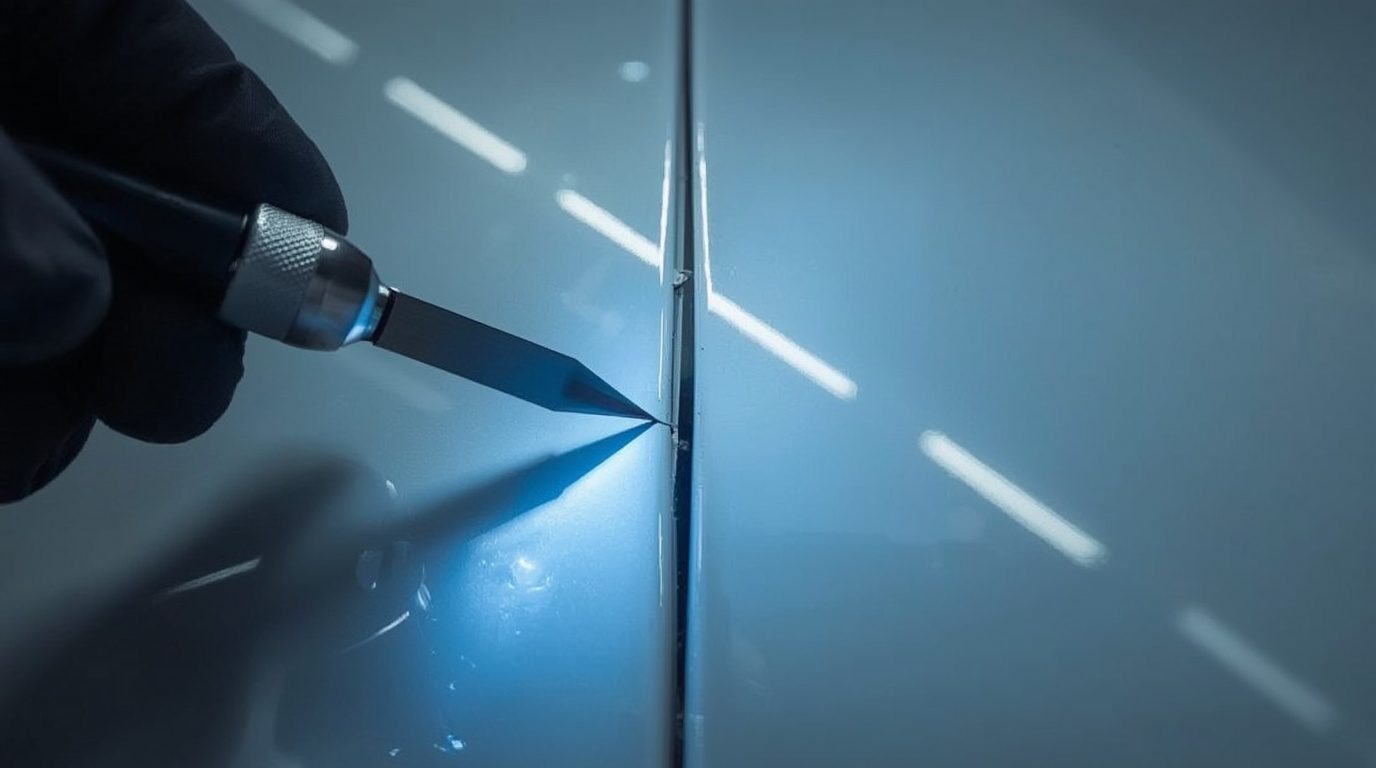
Most automobile owners picture obvious dents or scratches when they think of minor collisions. Panel gaps, however, are among the most frequent and frequently disregarded effects of crashes, even little ones. In order to prevent additional problems like paint peeling, water leaks, or uneven stress on panels, proper auto body panel restoration makes sure that these gaps are fixed. You can avoid long-term harm and save time and money by identifying panel gaps early on and comprehending their causes. The following six telltale signs suggest that your car may require expert body panel repair:
- Unequal Distances Between Fenders and Doors
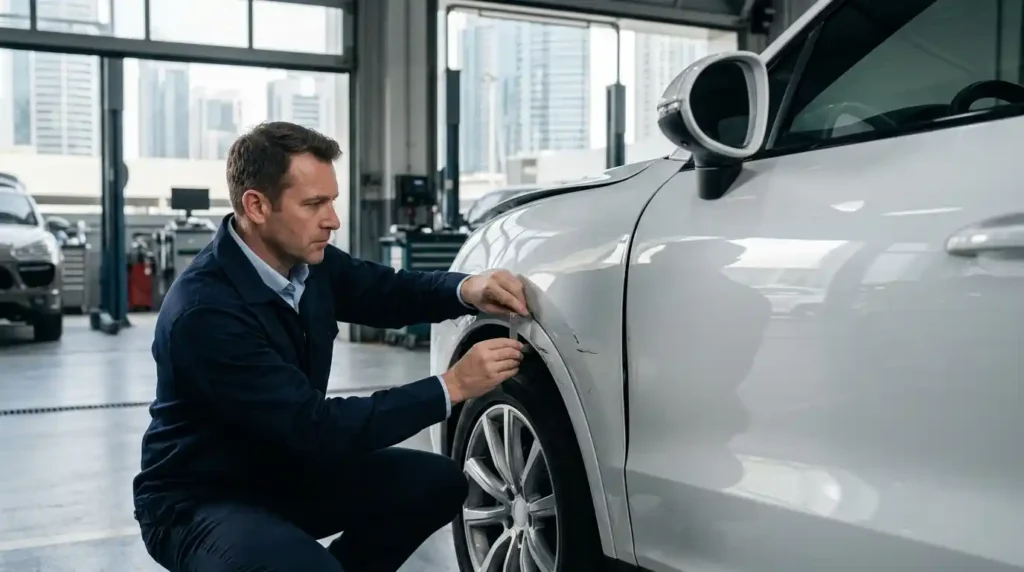
Doors may sit significantly higher or lower than the nearby fender following a minor collision. This mismatch may result in uneven hinge wear, impair the door’s ability to close, and increase wind noise when driving. Factory-level accuracy can be restored with early inspection and correct panel alignment through car body panel repair. - Trunk or Hood Doesn’t Close Flush
Uneven gaps or a hood or trunk that doesn’t close smoothly could be signs of hidden frame or hinge problems. If ignored, it may allow water leaks and jeopardise structural stability. Experts in vehicle body restoration are able to precisely realign and relocate panels to stop additional damage. - Unusual Noises or Rattles While Driving
Particularly while driving at greater speeds, panel gaps might produce slight vibrations or rattling noises. These sounds frequently indicate structural misalignment brought on by little impacts. Panels are fastened, and undesirable noise is eliminated with prompt collision body repair. - Gaps That Are Visible Around Doors or Quarter Panels
Over time, even a small misalignment can become more apparent, particularly around doors and quarter panels. In addition to being unsightly, uneven gaps make door seals less efficient and raise the possibility of leaks. These gaps are effectively filled in by expert dent repair and auto body alignment. - Chipping or Paint Stress at Panel Edges
Paint may chip or break as a result of the unequal tension that misaligned panels place on nearby locations. During body panel repair, paintless dent repair and panel adjustment can preserve the vehicle’s finish and restore its alignment. - Difficulty in Operating Doors or Trunk
Doors or the trunk may become harder to open or close if panels are misaligned. This may also have an impact on emergency safety. As part of thorough automobile body maintenance, expert fender repair and door alignment guarantee your car runs smoothly.
Panel gaps are more than just a visual issue; they are an early indicator of a hidden misalignment brought on by small mishaps or normal wear and tear. The vehicle’s usefulness, safety, and appearance are all restored when these gaps are quickly filled with expert body panel repair. The car’s structural integrity can be preserved, and expensive future repairs can be avoided with routine inspections and prompt action.
Why Minor Accidents Cause Panel Gaps
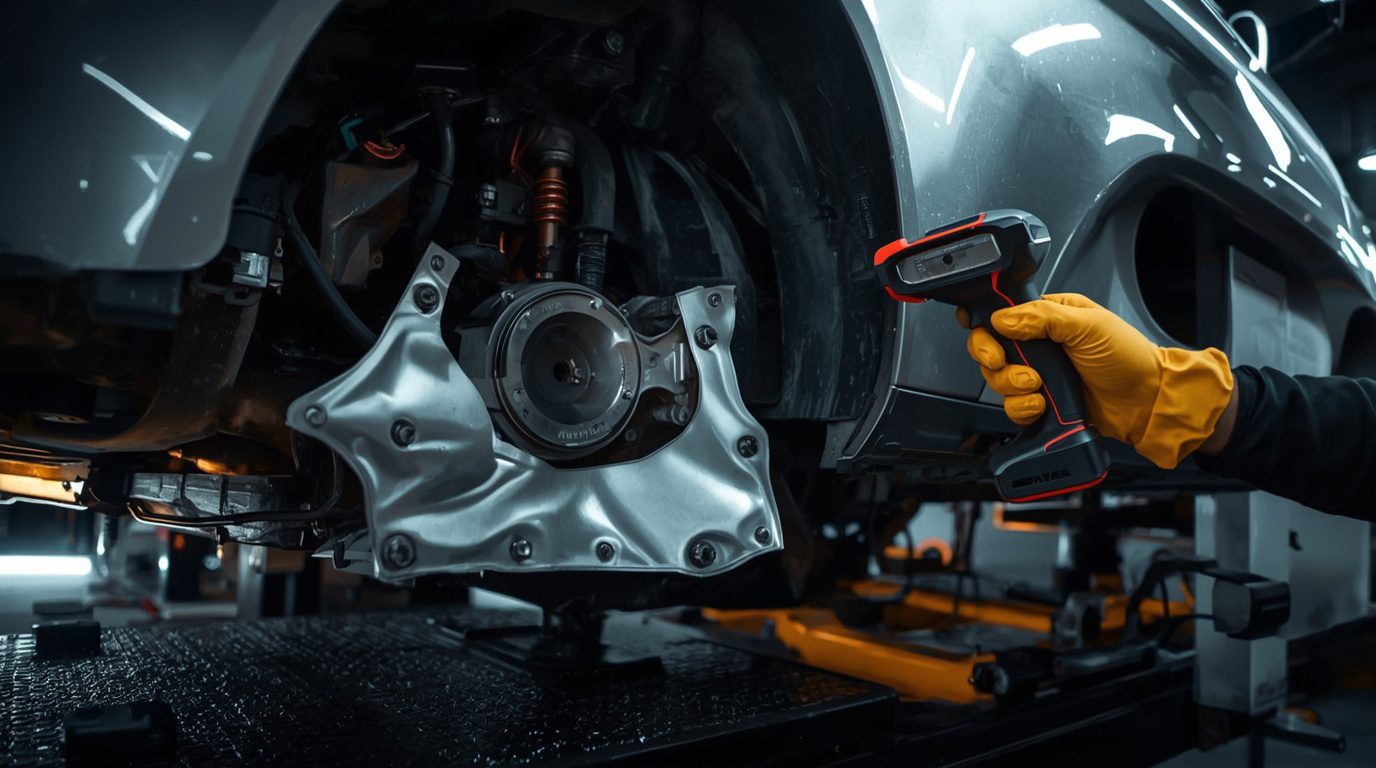
Your automobile may appear “fine” on the surface after even the tiniest fender bender or parking lot collision, but it may have subtle misalignments that are difficult to notice. These undetectable changes frequently manifest as unequal panel gaps, which have an impact on your car’s appearance and usability. It is possible to avoid more serious issues later on by comprehending the underlying causes and how vehicle panel straightening resolves them.
Damage to Hidden Frames or Brackets
Brackets and internal supports behind the panels may be bent by a little impact, resulting in irregular spacing that eventually widens.
- Invisible Misalignment: Without expert inspection, damage is frequently concealed beneath panels. Laser measurement equipment is used in auto body panel restoration to identify these structural misalignments.
- Impact on Panel Alignment: Gaps between doors, fenders, and hoods result from slight bracket bends that shift panels. Vehicle body repair methods, including precision panel adjustment and frame realignment, are needed to fix this.
Loosened Mounts and Hinges
Trunks, hoods, and doors all depend on accurate hinges. Mounts can become loose due to even little impacts, resulting in obvious misalignment.
- Door Misalignment: A misaligned door may not close flush or grind on the fender. To reestablish appropriate spacing, experts employ door alignment tools.
- Problems with the trunk and hood: If the mounts are loose, the trunk or hood may not seal properly, increasing the danger of paint damage and water leakage. Repairing car body panels guarantees that the panels are adjusted and the hinges are tightened.
Effects of Suspension Shock
Panels may be indirectly misaligned as a result of suspension geometry being altered by collisions that influence the wheels or underbody.
- Doors, hoods, and quarter panels may tilt due to uneven suspension angles. Both suspension and panel placement are restored via corrective vehicle body alignment.
- Stress on Adjacent Panels: Over time, stress points caused by misaligned panels may get worse. To avoid long-term damage, these stress regions are inspected as part of routine car body maintenance.
Inadequate Prior Repairs
Sometimes the issue isn’t the accident per se, but rather the way it was fixed.
- Do It Yourself or Fast Fixes: Internal brackets, mounts, or hinges may continue to be misaligned even though panels appear to be visibly aligned. Complete alignment can be guaranteed with paintless dent repair and expert car body panel repair.
- Untrained Technicians: Using the wrong methods or equipment can result in gaps that get worse over time. For long-lasting results, using the right panel alignment tools and techniques is crucial.
Weather and Material Expansion
Steel and aluminium panels expand and compress in response to temperature variations. Over time, little misalignments may become apparent, particularly in hot or humid settings.
- Thermal Expansion: Different reactions to heat cause panels to enlarge gaps. Technicians can locate impacted regions with the aid of tools like temperature measurement equipment.
- Environmental Stress: Uneven gaps are accelerated by weather and structural misalignment from small impacts. Climate-related expansion is taken into consideration during vehicle body repairs.
Compounding Minor Effects
Panel gaps can progressively widen as a result of even a few small collisions or frequent bumps in parking lots.
- Compound Misalignment: Hinges, mounts, or panels may be slightly shifted by small, repetitive impacts, creating observable gaps. Recalibrating the panels to factory specs is possible with body panel repair.
- Hidden Cosmetic Damage: Even little hits can cause paint stress or tiny dents that affect alignment. With the use of sophisticated dent and fender repair tools, panels can be restored without being completely replaced.
In addition to fixing underlying structural misalignments, hinge problems, and paint tension, professional body panel repair shields your car from long-term harm. Your car may recover its factory-like fit, finish, and performance with the correct methods, equipment, and knowledge.
Bumper and closure gaps need their own reference points
A gap problem is not limited to doors and fenders. After an impact, a bumper cover can sit proud where a guide or mounting tab has moved, while bonnet and boot openings can show uneven height or spacing when a hinge, latch relationship or surrounding body reference has shifted. These areas should be compared with the opposite side and with connected panels before anyone tries to close the gap by adjustment alone.
Real Effects of Panel Gaps on Your Vehicle
Uneven panel gaps may initially appear to be a small cosmetic problem that you could overlook. But over time, these gaps may lead to serious issues. Even minor misalignments can point to concealed structural changes that, if ignored, might have an impact on the value, performance, and safety of your vehicle. Comprehending these consequences aids in elucidating the significance of prompt vehicle panel straightening.
Leaks of Water
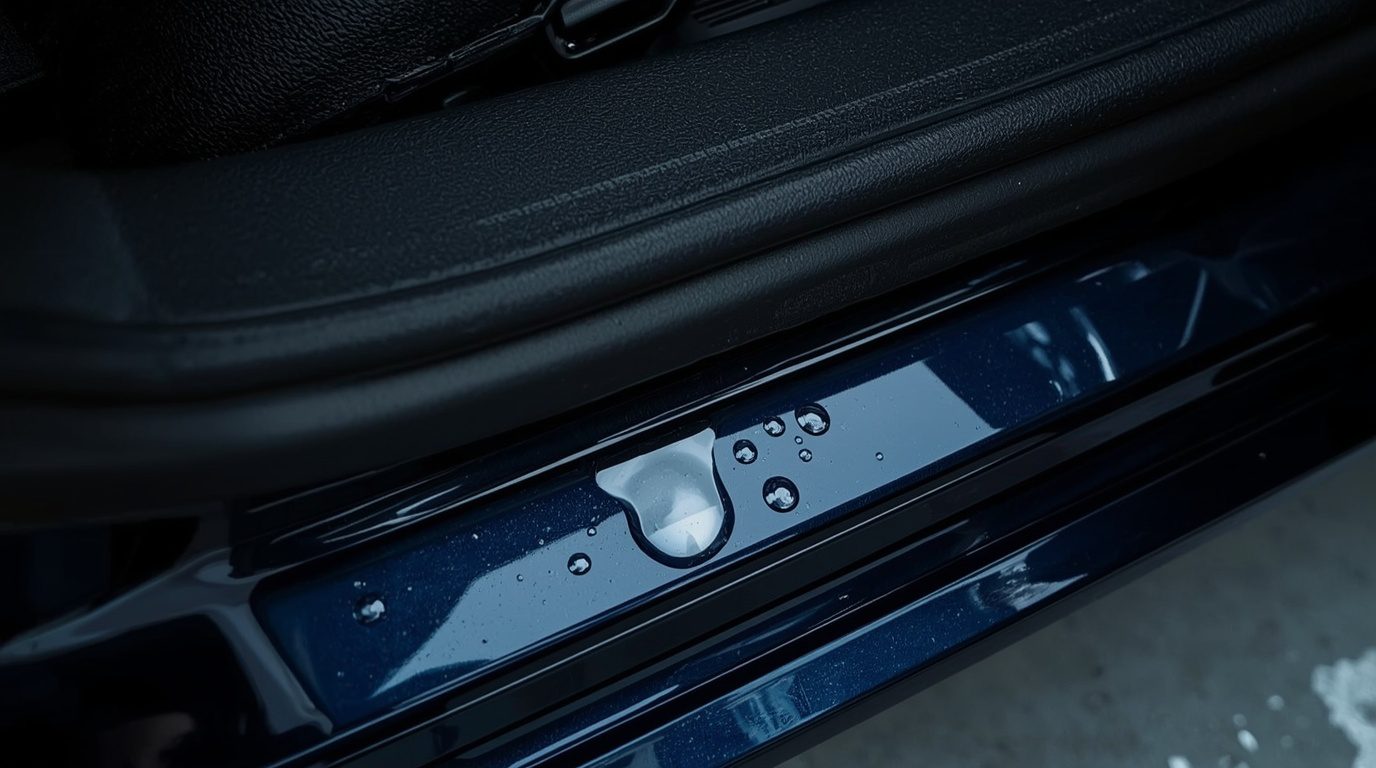
Rainwater can sneak into delicate regions through small gaps between doors, hoods, or trunks, causing rust and corrosion.
- Rust Formation: Brackets, hinges, and panel edges corrode more quickly when water is trapped behind panels. Long-term rust can be avoided with proper automobile body repair techniques, such as panel alignment.
- Interior Damage: When moisture gets inside, it can harm wiring, electronics, and upholstery. Technicians can find damaged areas with the aid of tools used in car body panel repair, such as moisture meters.
The sound of the wind
Particularly at higher speeds, panel gaps cause the car’s aerodynamics to be disrupted, resulting in audible wind noise.
- Disturbed Airflow: Drivers may become distracted by whistling or humming sounds produced by uneven panels. Smooth airflow is ensured by using auto body alignment to correct this.
- Driver weariness: Persistent noise can induce weariness on long trips. In order to restore peaceful operation during car dent repair, experts use door alignment and panel adjustment tools.
Damage to Paint
Paint chips or scratches might result from misaligned panels rubbing against one another or nearby components.
- Edge Chipping: The protective coating may be compromised by panel edges scraping when opening and shutting. These problems can be resolved without complete repainting by using sophisticated fender repair and paintless dent repair processes.
- Corrosion danger: After small collisions, car body repair is essential because exposed metal raises the danger of rust.
Decreased Car Value
Your car’s trade-in or resale value may be impacted by even minor panel misalignments.
- Poor Aesthetic Appeal: Customers become less confident in the car’s condition when they see uneven gaps or doors that don’t rest flush. Factory-level alignment is restored through body panel repair.
- Inspection Flags: Visible gaps during inspections may point to prior mishaps or inadequate repairs, which could lower the appraised value. Accurate restoration is ensured during automobile body repair by using instruments such as laser alignment devices.
Problems with Operations
Doors, hoods, and trunks may operate incorrectly due to misaligned panels.
- Doors may stick or not latch properly, making it difficult to close doors. A thorough vehicle panel straightening includes hinge adjustments and door alignment.
- Trunk and Hood Issues: Inadequate hood or trunk sealing raises the possibility of leaks and noise. To guarantee a flawless fit, technicians employ clamps and alignment jigs.
Structural Stress Over Time
Over time, the body of your car may experience accumulated stress if panel gaps are ignored.
- Adjacent Panel Deformation: Constant pressure and vibration may cause other panels to distort, necessitating more involved fender or minor accident repair.
- Hidden Damage Worsening: The overall safety of the vehicle may be impacted by minor misalignments that exacerbate underlying structural misalignment. Escalation can be avoided with prompt car body panel repair and routine body maintenance.
Although panel gaps can seem insignificant, they can have an adverse influence on the appearance, use, and safety of your vehicle. By fixing them with expert auto body panel restoration, you can preserve the value of your car, avoid long-term damage, and restore perfect panel alignment. To guarantee exact results, instruments like alignment jigs, precision brackets, and laser measuring devices are crucial.
Can Panel Gaps Be Fixed?
Although panel gaps may seem like a small aesthetic problem, fixing them is essential for your car’s safety and appearance. The good news is that car dent repair can professionally fix the majority of panel gaps. Pushing the panels back into position is not the only way to close these gaps, though. Whether it’s a hinge, bracket, or structural misalignment, proper repair entails determining the underlying reason and employing specialised instruments and methods to precisely restore alignment.
Panel Modification
- Adjusting the panels themselves is one of the initial procedures in car body panel repair. Loosening and Repositioning: To ensure consistent spacing, technicians carefully loosen doors, hoods, or trunk lids and reposition them. Accurate panel alignment is ensured using precision measuring instruments.
- Restoring Functionality: When doors and hoods are properly adjusted, rattles are eliminated, and further hinge damage is avoided. For efficient car body care following minor collisions, this procedure is essential.
Correction of the Frame & Bracket
Subtle bends in internal frames or brackets can occasionally result in noticeable panel gaps.
- Straightening Minor Bends: Technicians rectify the hidden structural shifts using laser measurement equipment and hydraulic frame straighteners. This is a crucial component of auto body alignment and automobile body repair.
Preventing Future Damage: Long-term body panel repair efficacy is supported by proper frame and bracket correction, which lessens stress on neighbouring panels and prevents paint chipping or distortion.
Replacement of Hinges
Persistent misalignment that cannot be resolved by panel adjustment alone may be caused by worn or damaged hinges.
- Replacing Broken Hinges: Replacing hinges guarantees that panels function properly and sit flush. For accurate installation, instruments like torque wrenches and hinge clamps are utilised.
- Door and Trunk Alignment: Properly installed hinges improve vehicle safety and general car body maintenance by restoring correct door alignment, trunk fit, and hood clearance.
Paintless Dent Repair (PDR)
Uneven gaps may result from minor dents that cause panels to shift slightly.
- Non-Invasive Dent Correction: Paintless dent restoration methods restore the original shape without the need for repainting by pushing or pulling dents from behind the panel.
- Maintaining Panel Fit: As part of thorough collision body repair, PDR makes sure the panels realign with neighbouring portions smoothly.
Panel gap repair calls for a combination of skilled methods, accurate instruments, and meticulous diagnosis. Technicians can restore perfect alignment, functionality, and aesthetics through car body panel repair, which includes panel adjustment, frame and bracket correction, hinge replacement, and paintless dent repair. Your automobile will remain safe, aesthetically pleasing, and structurally sound with routine body care and prompt repair to misalignments.
How to Prevent Panel Gaps After Minor Accidents

Subtle misalignments in your car’s panels might result from even small incidents. If these gaps are not fixed, they may eventually get worse and cause structural stress, rattles, leaks, and paint damage. Thankfully, there are doable solutions to avoid panel gaps and preserve the integrity of your car. You can lower the chance of uneven panels and make sure your car stays aligned by utilising the right tools and professional advice. Repairing car body panels involves more than just repairing damage; it also involves averting future problems.
Examine Your Vehicle Following Any Collision
Hidden misalignments can result from even seemingly minor fender benders.
- Find Subtle Misalignment: Look for unequal spaces between the trunk, hood, fenders, and doors. Misalignment that isn’t immediately apparent can be found with the aid of instruments like panel gauges and laser measuring equipment. Inspections of panel alignment stop minor problems from getting worse.
- Look for twisted brackets, loose hinges, or moved panels to check for hidden damage. Early detection enables prompt car body panel repair and minor accident repair, avoiding costly future fixes.
Make Use of Repairs
Even small mishaps won’t cause long-term misalignment thanks to expert correction.
- Skilled Technicians: To restore the original panel spacing, technicians employ precise instruments such as frame straighteners, hinge alignment jigs, and laser guides. Long-term durability is ensured via vehicle body repair.
- Appropriate Methods: While avoiding structural misalignment, methods such as paintless dent repair, door alignment, and panel relocation uphold collision body repair standards.
Frequent Upkeep Examinations
Frequent maintenance and inspections assist in identifying minor shifts or loose mounts before they become serious issues.
- Tighten Brackets and Hinges: Panels may move as a result of hinges becoming loose over time. Frequent inspections enable fender adjustment and door alignment to maintain flush panels.
- Track Panel Integrity: Look for early indications of misalignment in seals, edges, and neighbouring panels. Consistent outcomes are ensured by incorporating auto body alignment into routine auto body maintenance.
Steer clear of do-it-yourself quick fixes.
Although they rarely restore real panel alignment, quick decorative solutions may conceal problems.
- Incomplete Alignment: Panels may appear to be in perfect alignment, yet they may not be structurally correct. Expert car dent repair equipment guarantees proper placement and distribution of stress.
- Risk of Hidden Damage: Do-it-yourself repairs may exacerbate structural misalignment and result in hinge wear or paint flaking. Future issues are avoided by using professional automobile body repair processes.
Vigilance, appropriate upkeep, and expert assistance are necessary to prevent panel gaps. You may preserve correct panel alignment and increase the longevity of your car by evaluating it after any small collisions, hiring qualified repair services, doing routine maintenance checks, and avoiding do-it-yourself repairs. In addition to technologies like alignment jigs, laser measuring devices, and PDR techniques, prompt car body panel repair guarantees that your panels stay flush, functional, and aesthetically pleasing.
Restore Your Car’s Perfect Fit with Professional
Panel gaps indicate possible structural misalignment that could compromise the performance and safety of your car, making them more than just a cosmetic problem. Misaligned panels can result from hidden damage, loose mounting, or even little accidents. The good news is that proper panel alignment may be restored with body panel repair, making your vehicle safe, useful, and aesthetically pleasing.
- Avoid waiting for minor gaps to develop into more significant issues.
- To guarantee that your car keeps its factory-level fit, technicians employ cutting-edge equipment and methods, including paintless dent repair, door alignment, and fender repair.
- You can prevent leaks, rattles, and paint damage while maintaining the value of your car with expert vehicle body repair.
Make an appointment for your car body panel repair right now to ensure optimal alignment and ongoing car body upkeep. The accuracy and care that qualified car dent repair specialists offer are what your car deserves.
Related repair guides