
Paint protection film in Al Quoz 4, Dubai
Paint Protection Film (PPF) Installation in Dubai
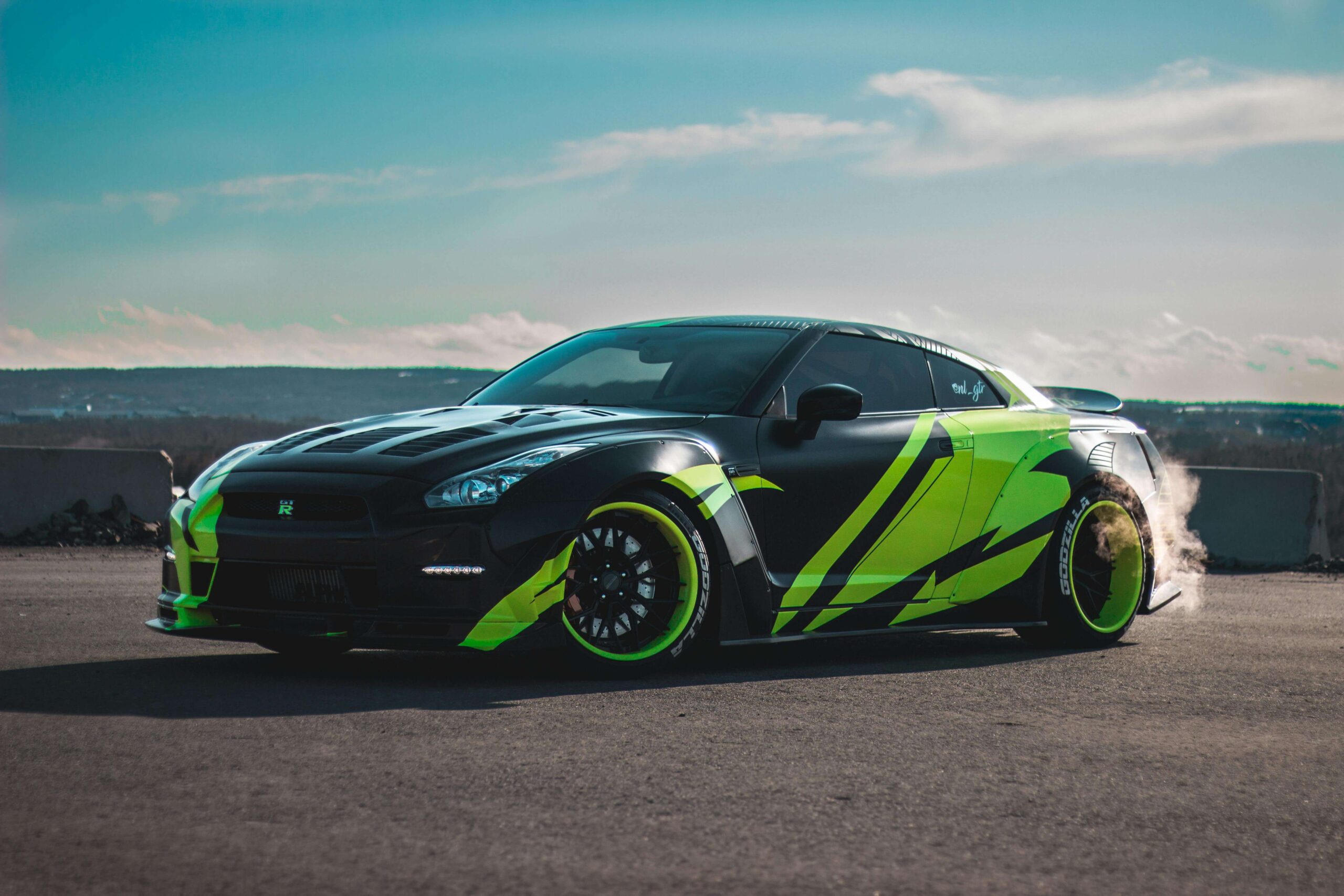
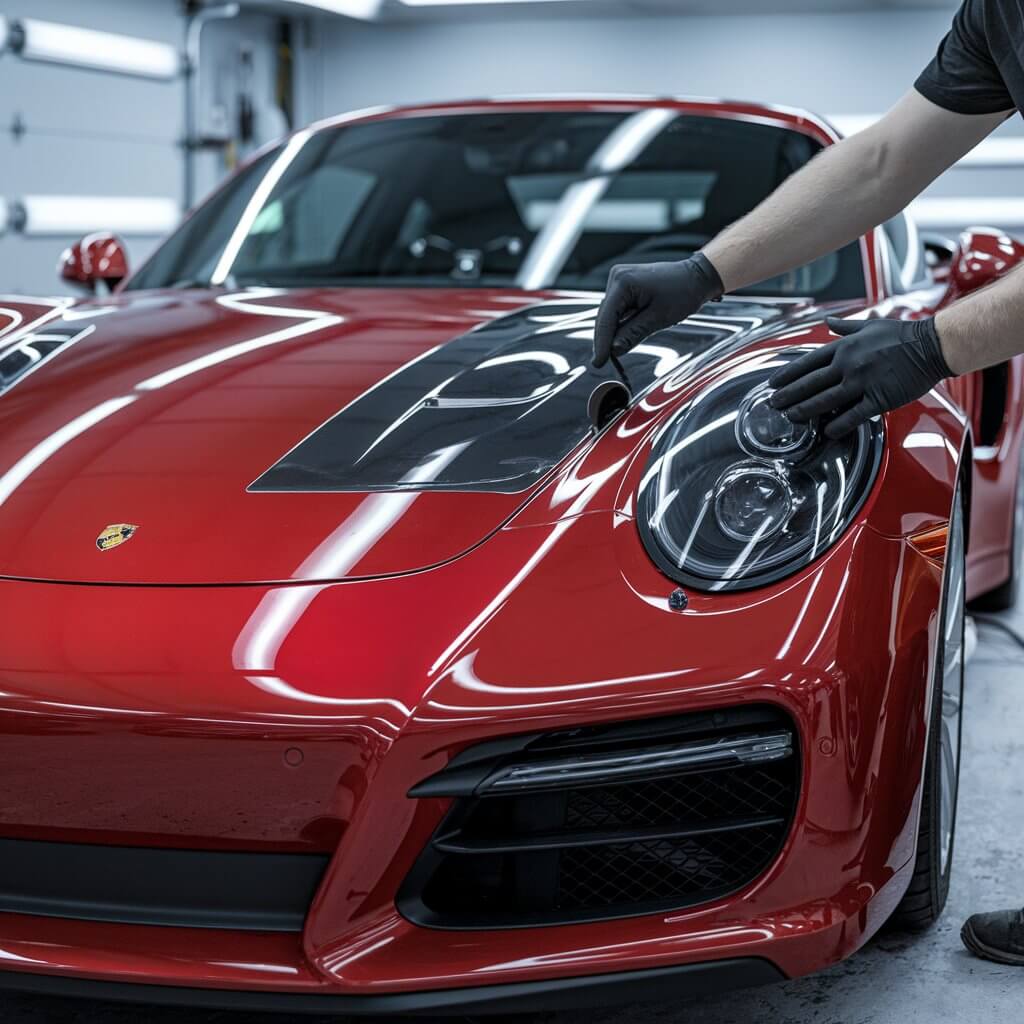
Paint protection film (PPF), sometimes called clear bra, is a transparent protective urethane film applied over painted exterior surfaces. Its job is to take the first contact from road debris, stone chips, light scuffs and surface contamination before those hazards reach the paint underneath.
Direct answer
Is PPF worth it in Dubai?
PPF can be a sensible choice when the cost of preserving the current paint matters more than the cost of the film. New vehicles, premium paint, frequent highway use, exposed front ends and owners who want to reduce repainting risk usually create the strongest case. A car with unstable clear coat, weak previous refinishing or extensive existing damage may need paint work first.
The useful question is not simply “full body or nothing?” It is which panels face the damage you actually want to prevent, what condition the paint is in now, and whether the film product, finish and warranty suit the ownership plan.
Coverage planner
Choose PPF coverage from the exposure map, not the package name
Vehicle shape, use and paint condition decide where film earns its place. The same “full front” label can also mean different things between installers, so the estimate should name the panels rather than rely on a package title alone.
Protection with boundaries
What paint protection film can reduce — and what it cannot promise
PPF is designed to help with
- Stone chips and road debris on covered paint
- Light surface scuffs and wash marks in the film
- Bug residue, road tar and environmental contamination
- Wear on high-contact paint areas
- Preserving the current paint beneath a sacrificial film layer
PPF does not make the car damage-proof
- Deep cuts can pass through or tear the film
- Dents and collision force still deform panels
- Weak or failing paint can remain weak beneath film
- Self-healing topcoats do not repair torn film or damaged paint
- No film makes careless washing harmless
PPF, coating or wrap
Paint protection film is a film — not a ceramic coating
Dubai searches often mix “PPF coating,” ceramic coating and vinyl wrap into one category. They solve different problems. Choose by the damage or appearance change you want to control.
| Protection option | Primary job | Stone-chip barrier | Appearance | Best use |
|---|---|---|---|---|
| Paint protection film (PPF) | Physical sacrificial film over paint | Yes, on covered areas; severity still matters | Clear, gloss, matte/satin or colour products exist depending on film line | Owners prioritising impact and abrasion protection |
| Ceramic coating | Changes surface behaviour and makes cleaning easier | No equivalent physical film barrier | Usually enhances or preserves the underlying finish | Gloss, slickness, hydrophobic behaviour and easier maintenance |
| Vinyl wrap | Restyling and colour/finish change | Not the same impact-protection role as PPF | Wide range of colours and textures | Appearance change first, with product-specific surface protection second |
If easier washing is a major priority, see our ceramic coating Dubai page. PPF and ceramic can also be combined when the selected film and coating systems are compatible.
Installation workflow
A good PPF result starts before the film touches the panel
Clear film shows what sits beneath it. Paint defects, contamination, poorly repaired edges and unstable coatings should be identified before installation rather than sealed underneath.
Record paint condition
Inspect chips, scratches, clear-coat failure, previous repainting, touch-up paint and existing film. Decide what will remain visible beneath clear PPF.
Wash and decontaminate
Remove road film and bonded contamination using paint- and film-system-compatible methods so the adhesive meets a clean surface.
Correct only what matters
Paint correction may improve swirls or gloss before film, but sanding or polishing should not be used to hide a coating problem that needs repair.
Plan patterns, seams and edges
Choose the panel layout, pre-cut or bulk-fit approach, edge wrapping where suitable and any unavoidable relief or seam before installation begins.
Install and settle the film
Position the film with the product-approved installation method, manage stretch and contamination, then secure edges without forcing unsuitable areas.
Inspect and document
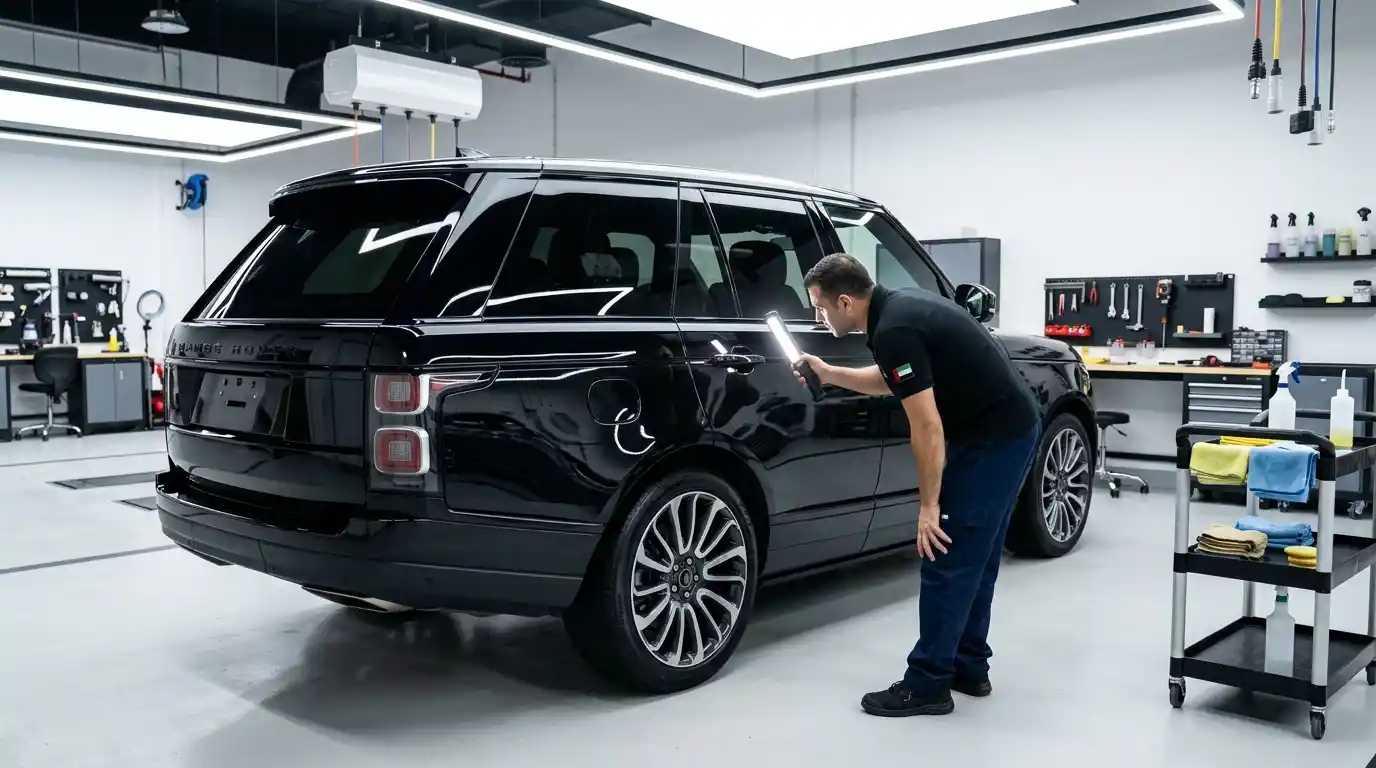
Review clarity, trapped contamination, edges, seams and panel coverage. Record the exact film product, warranty terms and aftercare instructions.
Send the vehicle before choosing the package
A wide front view, both sides and close photos of chips or previous paint help us decide whether targeted, full-front or full-body PPF makes sense before the vehicle arrives.
Edges, seams and cutting
Invisible-looking PPF still needs visible installation decisions
The quality conversation should include how the film ends. Not every edge can or should be wrapped. Tight gaskets, trim, compound curves, panel access and film stretch limits can make a controlled visible edge safer than forcing material where it will lift later.
Pre-cut patterns
Digital templates can reduce on-car trimming and create repeatable coverage. The pattern still needs to suit the exact model, panel and desired edge position.
Wrapped edges
Wrapping can hide a film boundary where panel access, curvature and adhesive conditions allow it. It should not be promised on every edge before inspection.
Seams and relief cuts
Complex bumpers and sharp geometry may need planned seams or relief. The installer should explain where they will sit instead of presenting every seam as a defect.
Repainted paint needs a separate decision
PPF can be removable without making every removal risk-free
Original factory paint and refinished paint do not always behave the same when adhesive film is removed. Cure, surface preparation, clear-coat adhesion, repair edges, old filler or primer and previous film history can change the risk.
A newly repainted panel should not be wrapped simply because the surface feels dry. The coating system and repair condition need enough confidence for film installation, and future removal should be approached with controlled heat, angle and tension rather than a blanket promise that paint cannot lift.
Film finish and product entities
Gloss, matte and self-healing are product properties — not universal promises
Clear gloss PPF
Designed to preserve a gloss paint appearance while adding a transparent protective film. Clarity, orange-peel texture, hydrophobicity and stain resistance vary by product line.
Matte or satin PPF
Can preserve a low-gloss finish or transform gloss paint to a flatter look. A sample helps confirm sheen and colour change before a large area is wrapped.
Self-healing topcoat
Premium films may use heat to reduce minor surface scratches or swirl marks in the film. Deep cuts, punctures, tears and paint damage are not self-healing events.
Dubai ownership and aftercare
PPF still needs careful washing, edge control and contamination removal
Dust should be washed away rather than dry-wiped across the film. Bird droppings, bug residue, road tar and other contamination should be removed promptly using products suitable for the installed PPF. Avoid assuming that every film follows the same wash waiting period or maintenance schedule; use the care sheet for the exact product installed.
PPF cost in Dubai
Paint protection film price follows coverage, vehicle shape and preparation
A useful quote names what is being installed rather than publishing one number for every car. We do not use an unverified blanket AED range because film product, panel complexity and paint condition can change the operation materially.
Send the make, model, year, desired coverage and clear photos for a vehicle-specific PPF quotation.
Quality control before handover
The finished film should be judged panel by panel, not only from five metres away
Questions owners ask before booking
Paint Protection Film Dubai FAQ
What is paint protection film?
PPF is a transparent or finish-changing protective urethane film applied over suitable exterior surfaces. It acts as a sacrificial layer against stone chips, road debris, light scuffs and contamination on the panels it covers.
Is PPF worth it in Dubai?
It can be when preserving the current paint matters, especially on new or premium vehicles and cars that see regular road-debris exposure. The best value may be targeted, full-front or full-body depending on the vehicle and ownership plan.
Does PPF stop stone chips?
PPF is designed to reduce stone-chip damage on covered panels, but no film makes paint immune to every impact. Large or sharp debris can cut or penetrate the film and may still damage the surface beneath.
Does self-healing PPF repair deep scratches?
No. Self-healing topcoats are intended for minor surface scratches or swirl marks in the film. Deep cuts, punctures, tears and damage to the paint itself require inspection and often film replacement or body/paint repair.
What is the difference between PPF and ceramic coating?
PPF is a physical film intended to absorb light impact and abrasion. Ceramic coating is a much thinner surface treatment focused on slickness, gloss, hydrophobic behaviour and easier maintenance. Ceramic coating is not a replacement for a stone-chip film barrier.
PPF or vinyl wrap: which should I choose?
Choose PPF when paint protection is the primary goal. Choose vinyl wrap when colour or appearance change is the primary goal. Some colour PPF products combine appearance change with a thicker protective-film role, so the exact product should be identified.
Should I choose full-front or full-body PPF?
Full-front coverage concentrates protection on forward-facing high-impact panels. Full-body coverage extends film across suitable painted exterior panels. Driving pattern, vehicle shape, paint value and budget determine the sensible scope.
Can PPF be installed over repainted panels?
Sometimes, but repainted panels need a separate cure and adhesion assessment. A weak repaint can create installation or future-removal risk, so previous refinishing should be disclosed before film is applied.
Can PPF be removed without damaging paint?
PPF is designed to be removable, but no responsible installer should promise zero risk on every surface. Factory paint in sound condition is a different substrate from weak, poorly cured or previously repaired paint. Removal technique and paint condition both matter.
Can PPF be installed on matte or satin paint?
Yes, when the film is suitable for the finish and the visual result is agreed. Gloss film can alter a low-gloss appearance, while matte or satin film has its own sheen. A sample is useful before broad coverage.
How long does PPF last?
There is no single honest lifespan for every film. Product line, installation, exposure, washing and maintenance matter. Use the manufacturer warranty and care document for the exact film installed rather than a generic number.
How much does PPF cost in Dubai?
PPF cost depends on coverage, vehicle size and complexity, film product, paint preparation, edge work, trim access and whether old film must be removed. A model-specific quote is more useful than a blanket price range.
Can I pressure-wash a car with PPF?
Use caution. High-pressure water directed closely at film edges or an already lifted area can worsen edge problems. Follow the exact film manufacturer and installer care guidance for pressure, distance and wash timing.
Vehicle-specific PPF planning
Choose the film, coverage and edge plan before the car is dismantled
Send your vehicle make, model, year, current paint condition and the panels you want to protect. If the car has been repainted or already carries PPF, mention that too so the quotation starts with the correct surface condition.