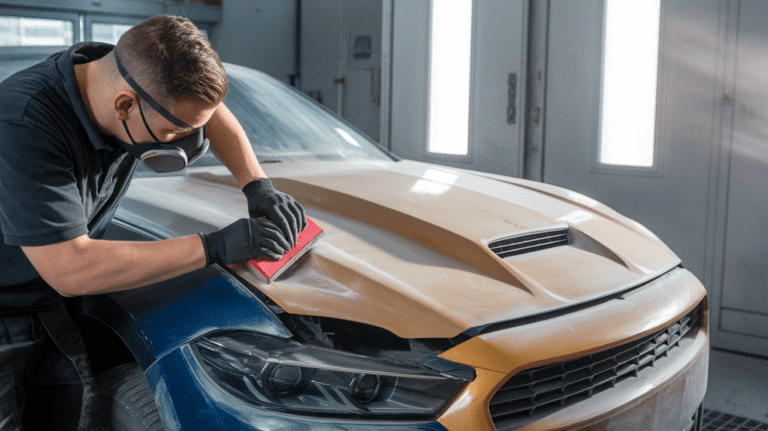
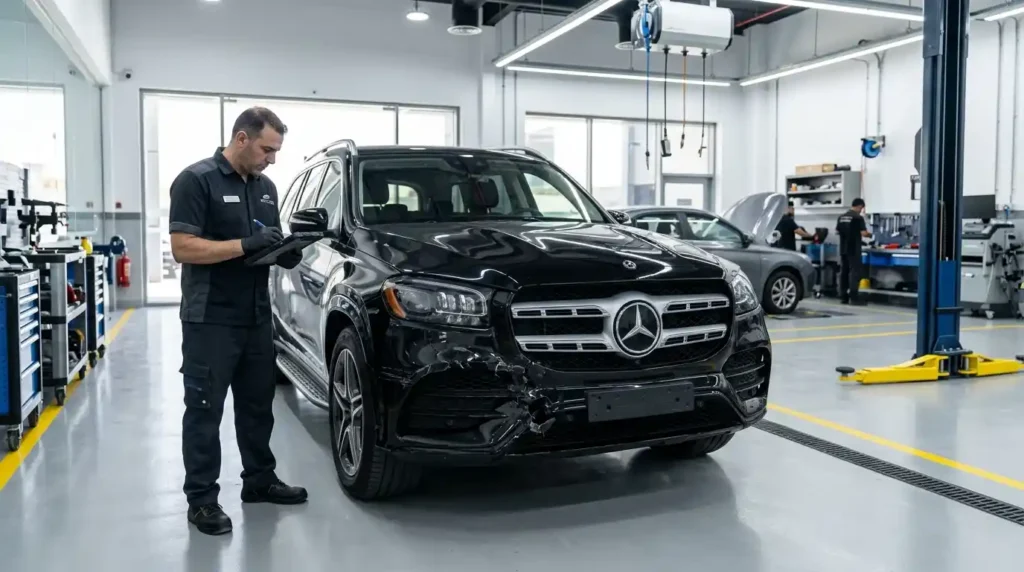
Can a cracked plastic bumper be repaired?
Yes, many cracked plastic bumper covers can be repaired when the material is identifiable, enough sound plastic remains, the crack is in a controllable area and the bumper can be refitted without compromised attachments or sensor geometry. Replacement becomes the stronger choice when plastic is missing or permanently stretched, cracks branch through loaded mounts, several areas have failed, or the complete repair would not restore reliable fit and function.
Repair is more credible when
The crack is accessible, material is present, the profile can be restored and tabs, guides or electronic mounts can return to their correct position.
Replacement is more credible when
Plastic is missing, distorted or heavily fragmented, several attachment zones have failed, or a safety-related mount cannot be restored and verified.
The complete decision
Cracked Bumper Repair Dubai – Repair or Replace Decision
Crack length alone is not a reliable rule. A long, clean split in an accessible surface can be more controllable than a short branch through several mounting points.
| What is found | Repair may work when | Replacement becomes stronger when | What must be verified |
|---|---|---|---|
| Straight crack in a centre area | The surrounding plastic is sound and both sides are accessible. | The area is stretched, fragmented or affected by an old failed repair. | Rear reinforcement, final profile and flex. |
| Crack at a corner or wheel arch | The retainer, tab and side guide can be restored securely. | The loaded attachment zone is missing or repeatedly opens after fitting. | Corner tension, panel gap and liner attachment. |
| Damage near a sensor or radar mount | The mount position, angle and rigidity can be returned to specification. | Geometry cannot be restored or the mounting area is distorted. | Mount location, diagnostics and calibration requirements. |
| Lower lip, grille or tow-eye opening | Edges, clips and openings can be rebuilt without restricting function. | Thin shapes are missing or several openings have split. | Ground clearance, airflow, access covers and undertray fit. |
| Multiple cracks or prior repairs | The complete cover remains stable and total repair labour is sensible. | Several weak zones, excessive filler or repeated failures are present. | Whole-cover condition and complete fitted cost. |
Five inspection gates
What a technician checks before recommending repair
1
Identify the material
The moulded marking and any previous repair are checked. Polypropylene blends, polyurethane, fibreglass and composites require different preparation and repair systems.
2
Map the complete crack
Paint and old filler can hide branches. The crack path is traced through edges, styling lines, openings and high-load attachment areas.
3
Check missing or stretched plastic
A stable repair needs enough sound material to recreate the original profile. Heat-stretched, fragmented or absent areas may not support a durable result.
4
Inspect attachments and electronics
Tabs, side guides, lamp mounts, sensor holders and radar brackets must return to the correct position. Visual fit alone is not enough.
5
Compare the complete fitted job
Repair labour, reinforcement, preparation and paint are compared with the replacement cover, fitting, paint, transferred parts and any required calibration.
Crack location changes the durability decision
Flat centre area
An accessible crack may be aligned and reinforced from the rear, but the impact path behind a front bumper still needs inspection.
Corner and wheel-arch edge
Corners flex during removal and driving. A crack can return when a side retainer, tab or guide remains broken.
Lower lip and kerb area
Repeated road contact, missing plastic and failed undertray mounts can make a local cosmetic repair unstable.
Sensor, radar or camera mount
The repair must preserve mount location, angle and rigidity. Replacement is safer when this geometry cannot be restored and verified.
Safety first
Stop driving when the damaged bumper creates a hazard
Tape can stop a small trim from flapping while the car is stationary, but it is not a structural repair or proof that the vehicle is safe to drive.
- A loose edge can contact a tyre or the road.
- Sharp pieces are exposed.
- A lamp or number plate is obstructed.
- The bonnet or boot will not latch normally.
- Fluid is leaking behind the front bumper.
- Parking, radar or driver-assistance warnings appeared.
- Steering, braking or wheel position changed after impact.
Workshop method
A professional plastic repair works from both sides
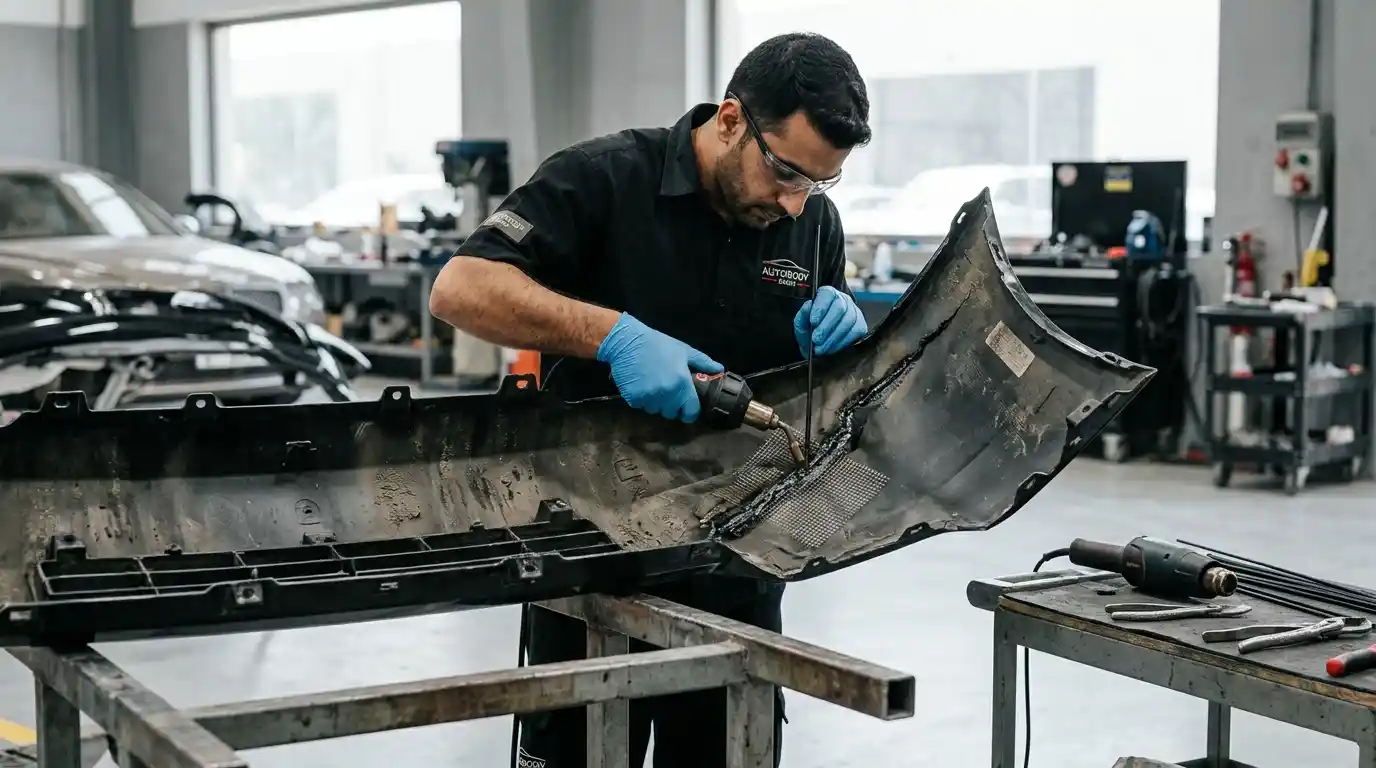
A surface filled over an unrepaired split may look acceptable briefly and still reopen. The repair route must suit the identified material and restore the bumper’s shape before colour is applied.
- Clean wax, silicone, road contamination and residue from the front and rear.
- Expose and stabilise the complete crack, including branches hidden beneath coating.
- Align the cover to its original profile before reinforcing the rear side.
- Use a compatible welding, adhesive or reinforcement system for the material.
- Level and prepare the visible face without relying on excessive filler to create shape.
- Trial fit the bumper, verify attachments, then prime, colour-match and refinish.
Technical reference: 3M’s bumper and plastic repair guidance distinguishes cosmetic work from the two-sided procedures used for cracks and tears that penetrate the plastic.
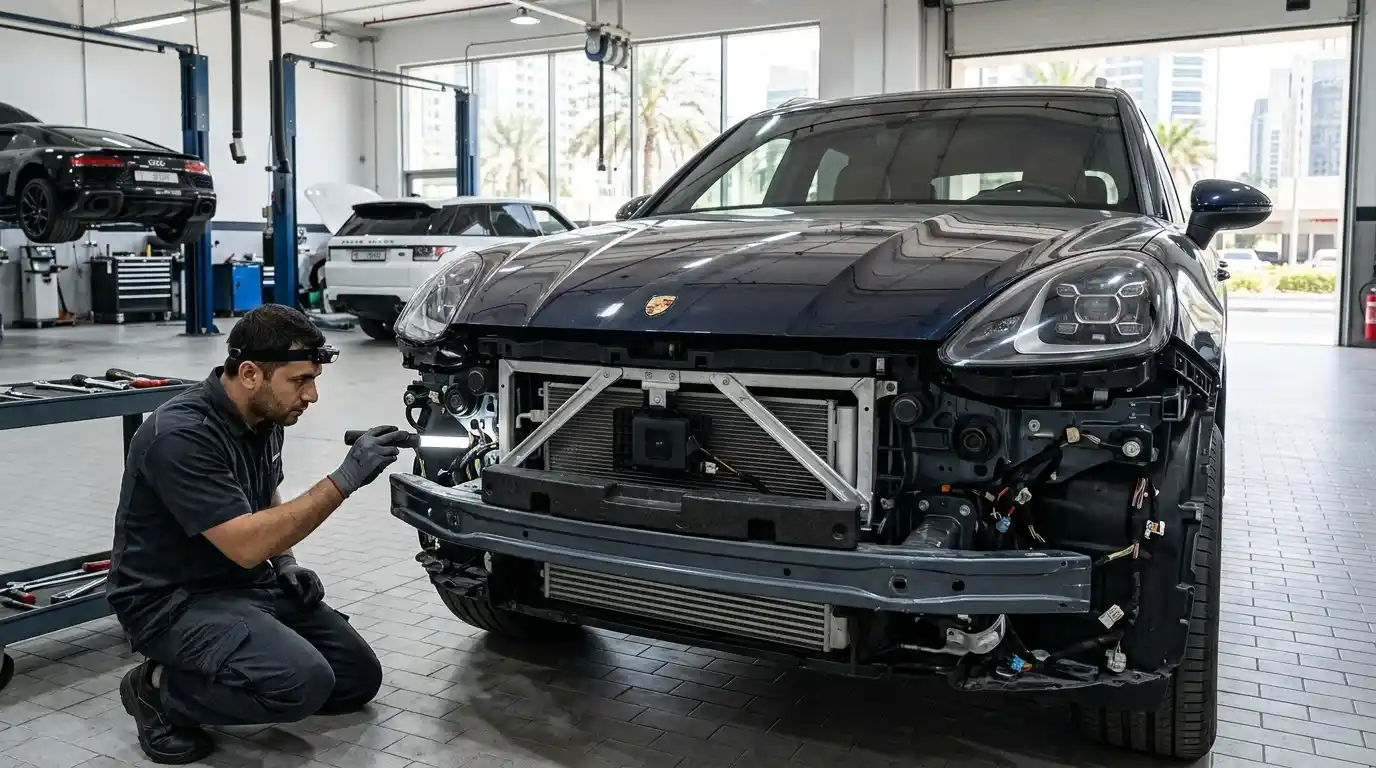
Removing the cover can expose reinforcement, cooling components, wiring and mounting damage that cannot be judged from the exterior.
Behind the cover
Hidden impact parts can outweigh the crack
The painted cover is only the outer skin of the bumper system. An impact can compress the absorber, displace the reinforcement, deform mounts or disturb the active grille shutter, cooling pack, wiring and electronic brackets.
When damage extends beyond the cover, the job becomes a broader accident repair assessment. The estimate should separate plastic repair from hidden parts, diagnostics and calibration rather than disguising everything as one bumper charge.
Insurance approval determines policy coverage and authorised claim cost. It does not make an unsuitable technical method durable. Repair and replacement options should each show their complete scope.
Estimate and finish
What changes the cracked bumper repair cost
A crack repair with reinforcement, preparation and paint is not priced like a scratch polish. The complete quotation depends on the operations, parts and verification required for that vehicle.
- Plastic type and repair access
- Crack path, branches and missing material
- Corner distortion, tabs and side guides
- Removal of grilles, trims and lamps
- Sensor holders, wiring and diagnostics
- Replacement part type and availability
- Solid, metallic, pearl, matte or satin finish
- Extent of preparation, painting and blending
For wider collision cost context, use the Dubai accident repair cost guide. A final bumper quotation still requires inspection because photos cannot confirm hidden mounts, reinforcement condition or sensor geometry.
Shape is restored before colour
A bumper can be crack-free and still look wrong if the profile remains stretched. Trial fitting should match the fenders or quarter panels, lamps, grille and boot or bonnet before refinishing. The painter then checks the current vehicle rather than relying only on the paint-code label.
Plastic and neighbouring metal panels can present the same formula differently because of shape, orientation, fade and metallic-particle appearance. Spray-out verification and controlled application support the final match. See the site’s car painting service for the broader refinishing process.
Before authorisation
Questions to ask before approving a bumper repair
A useful estimate explains the complete fitted result, not only the visible crack. These questions make repair and replacement quotations easier to compare on the same scope.
- Which parts and operations are included?
The estimate should separate the painted bumper cover from tabs, side guides, grilles, brackets, absorber, reinforcement and electronic mounts. It should also state whether removal, refitting and transfer of trims are included. - Why is this repair method suitable for the identified plastic?
The workshop should be able to identify the material and explain whether the crack requires plastic welding, a compatible adhesive system, rear reinforcement or replacement. A surface filler alone is not an adequate explanation for a split through the plastic. - Will the bumper be trial-fitted before paint?
Trial fitting checks the profile, corner tension, lamp and grille gaps, retainers and lower attachments before refinishing. Correcting fit after the paint process creates avoidable handling and rework. - What happens if hidden damage appears after removal?
Ask for photographs and a revised scope before additional parts or operations are authorised. This separates the original cover repair from absorber, reinforcement, cooling, wiring or mounting damage discovered behind it. - Which final checks and warranty terms will be recorded?
The handover should identify repaired or replaced parts, paint work and relevant electronic checks. Written warranty terms should state what is covered and distinguish workmanship from later impact, kerb contact or unrelated damage.
An estimate described only as “bumper repair and paint” leaves too much unclear. The decision becomes more reliable when repair method, hidden-damage procedure, fitted alignment, paint scope and functional checks are written separately.
Evidence and handover
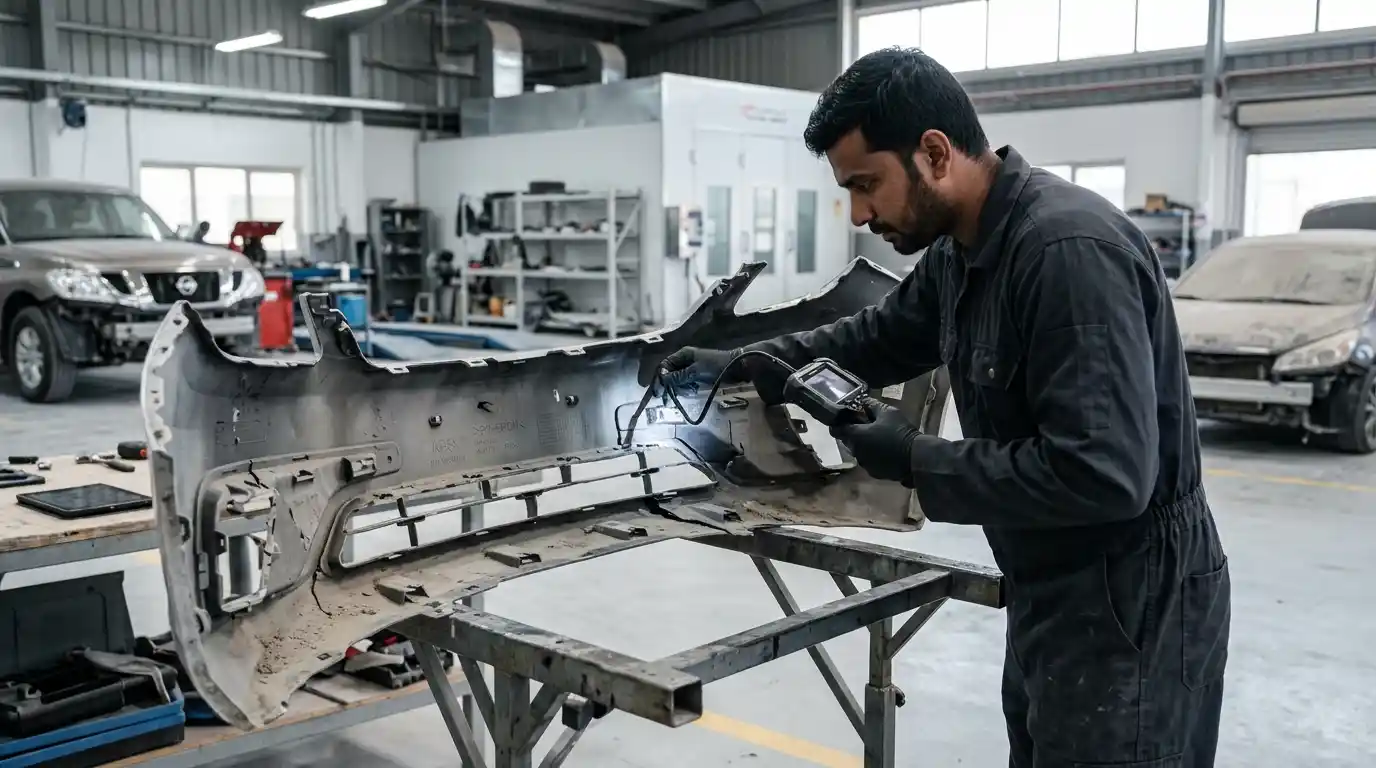
The removed bumper creates a useful evidence moment
Rear-side photographs explain the repair route. They show the material marking, full crack path, old repairs, missing tabs, sensor holders and the condition of the system behind the cover.
Check the bumper from appearance to function
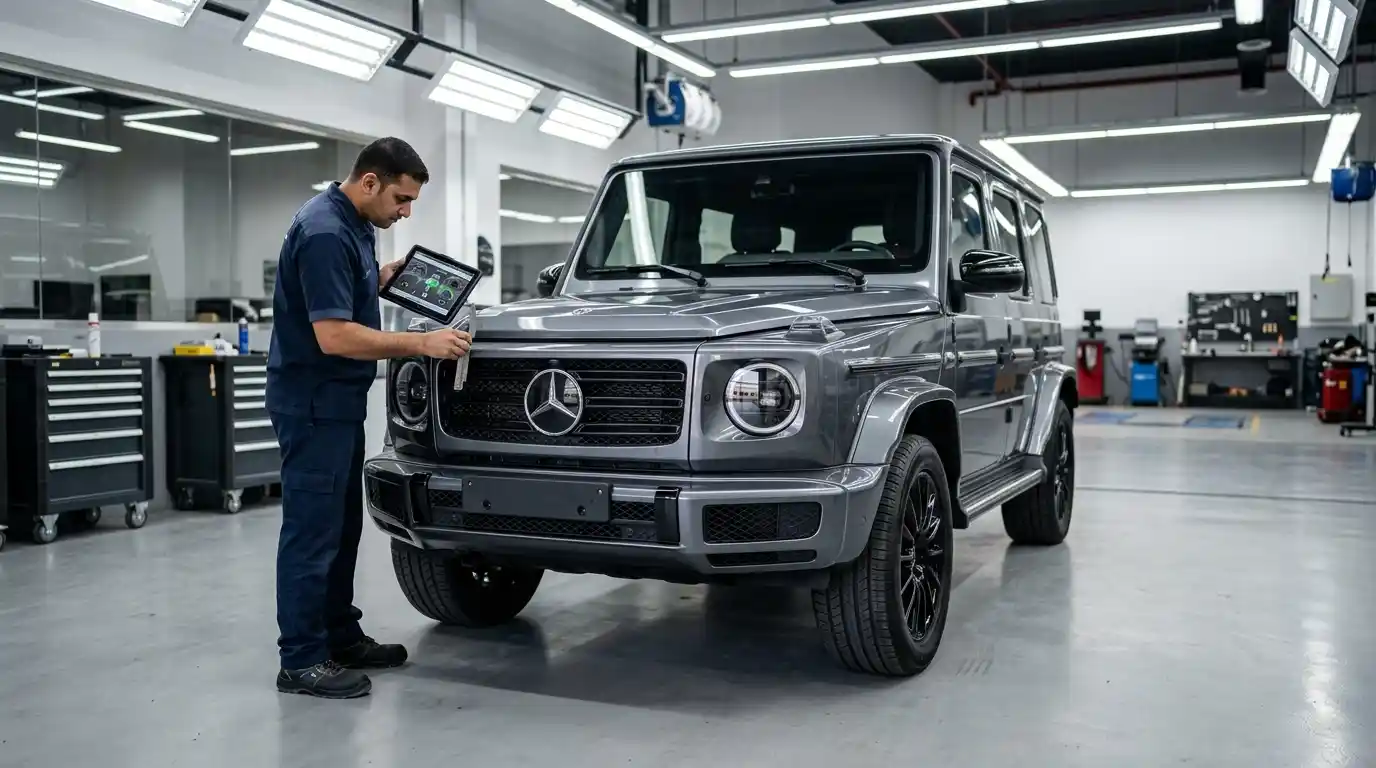
- The repaired line is not visible in side light.
- The profile has no wave, sink or raised ridge.
- Corners and lower edges remain secure.
- Gaps beside lamps, grille and panels are even.
- Colour and metallic appearance are checked outdoors.
- Parking sensors, cameras and related functions work.
- No new warning remains.
- The invoice identifies repair or replacement, part type, paint and electronics.
Special cases that can change the decision
Multiple cracks
Several small cracks can require more preparation and reinforcement than one longer split. The whole cover should be priced, not only its most visible line.
Special finishes
Metallic, pearl, matte and satin finishes change preparation and paint scope. A matte bumper cannot simply be polished locally without changing its sheen.
Luxury and performance bumpers
Large grilles, carbon-fibre trim, active aerodynamic parts, washer systems and model-specific sensors may be separate expensive components attached to the cover.
Aftercare protects the repaired zone
Follow the workshop’s curing guidance. Avoid close-range pressure washing at repaired edges during the initial period, do not flex the corner unnecessarily and remove chemical contamination gently. Return for review if the crack line, paint ridge or loose corner reappears, or if a parking sensor behaves differently.
What to send for a useful first assessment
Send one full-front or full-rear photo, two close crack photos and a view of the bumper gaps. Mention any loose corner, warning light, fluid leak or wheel contact.
Common questions
Cracked bumper repair FAQ
Can every plastic bumper crack be welded?
No. The material, crack location, remaining plastic, prior repairs and required flexibility determine whether plastic welding, a compatible adhesive system or replacement is appropriate.
Is a repaired bumper as strong as a replacement?
A properly selected repair can be durable in a suitable area. It should not be presented as equivalent when loaded mounts, missing material, critical geometry or extensive damage cannot be restored reliably.
Does cracked bumper repair include repainting?
Usually the repaired area needs preparation, primer, colour and clear coat. The paint scope can range from a controlled local area to the complete bumper depending on crack position, colour and existing finish.
Can photos confirm whether repair or replacement is needed?
Photos can support an initial assessment, especially when they show the whole bumper, close views and surrounding gaps. Final confirmation may require physical inspection or removal to check attachments and hidden components.
When should I stop driving with a cracked bumper?
Stop when a loose edge can reach the tyre or road, sharp material is exposed, lighting or the number plate is obstructed, fluid leaks, a closure will not latch, or steering, braking or safety-system warnings changed after impact.
Related repair guides