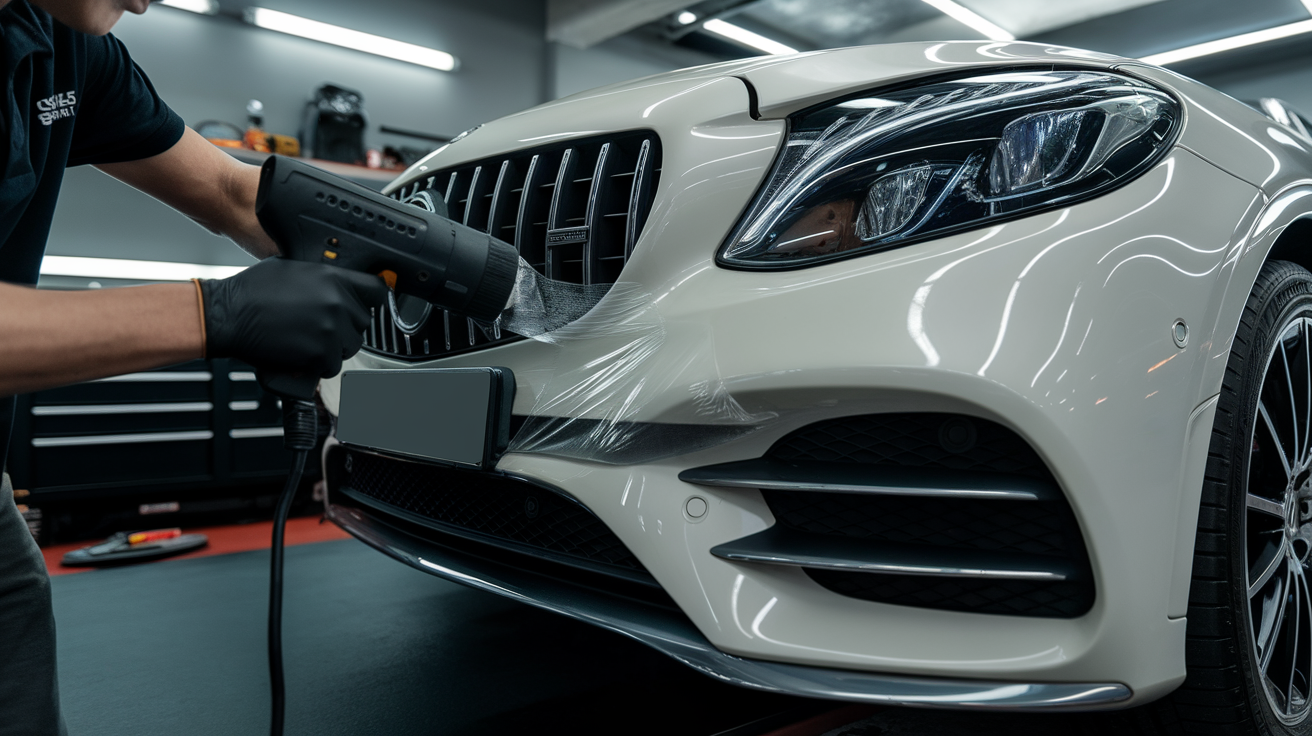
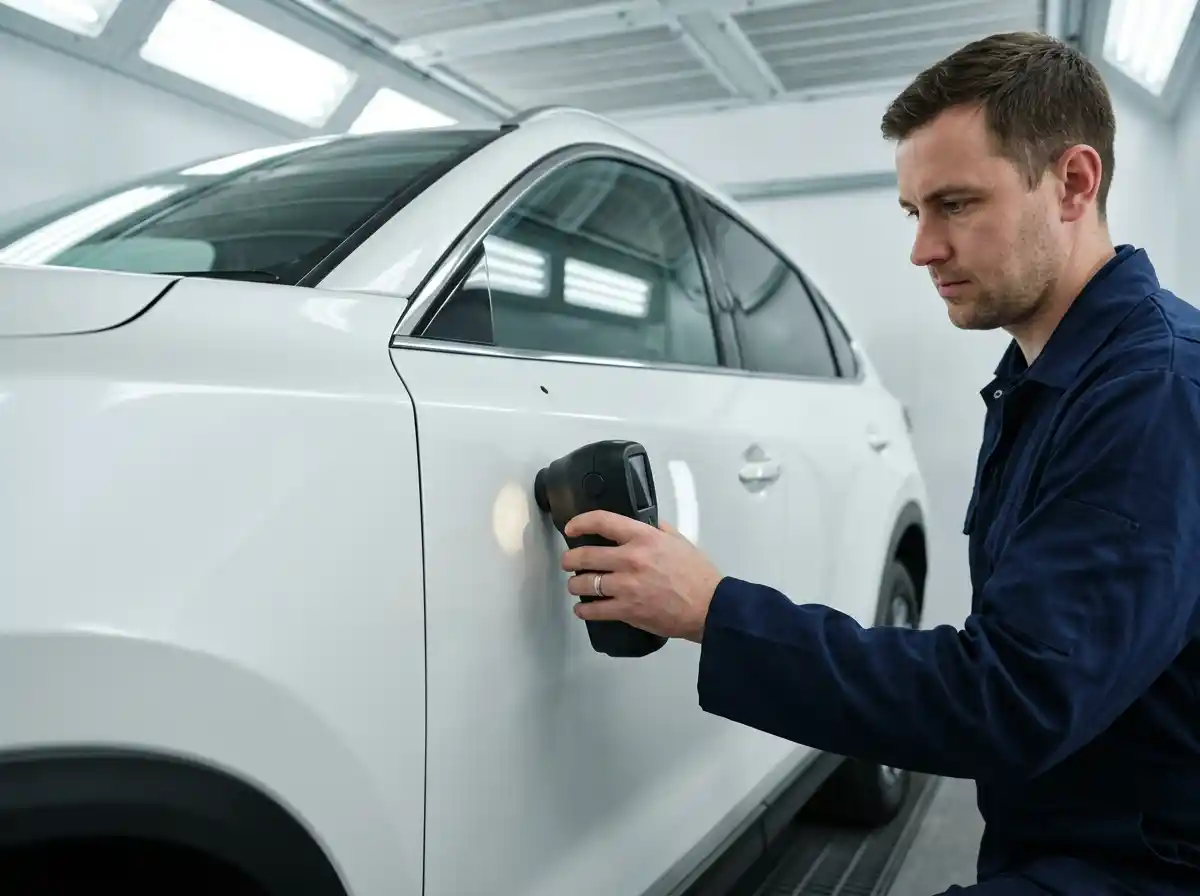
An automotive spectrophotometer measures light reflected from a prepared paint surface and helps colour software rank likely formula variants. It does not independently create a finished match. The technician still has to verify the paint code, panel history, measurement area, formula, spray-out, application technique and viewing conditions.

What an automotive spectrophotometer measures
The device illuminates a small area and records how the coating reflects light. Multi-angle instruments can collect readings at several viewing geometries, which is useful for metallic and effect finishes that change between a straight-on view and an oblique view. Colour software compares the reading with stored formulas and variants.
The output is a ranked starting point. It may identify a likely factory variant, suggest an adjusted formula or show that the measured panel has moved away from the original standard. The instrument does not see the completed repair, judge texture or decide whether an adjacent panel should be blended.
Why the paint code is only the starting coordinate
One paint code can have production variants created by different factories, suppliers, batches and application conditions. The vehicle may also have accumulated UV exposure, polishing, contamination or previous repainting. Two panels carrying the same code can therefore look different beside each other.
The technician confirms the code and vehicle information, then inspects the actual panel. If a door was refinished previously, measuring that door may reproduce the old repair rather than the intended relationship with the rest of the car. Reference-panel selection is part of the diagnosis.
Seven controls around a useful reading
Clean reference area
Wax, compound, silicone, overspray, mineral deposits and oxidation can distort the surface being measured.
Stable surface
The measurement area should represent the finish being matched, not a scratch, chip, edge, repair boundary or visibly failed clear coat.
Instrument calibration
The device must be calibrated and maintained according to its system requirements before readings are trusted.
Multiple readings
Several consistent measurements help identify an outlier caused by curvature, contamination or operator placement.
Correct formula system
The selected formula must belong to the compatible paint line, undercoat and application process being used.
Spray-out verification
A test card converts digital and formula data into the actual coating layers, film build and effect orientation.
Why curved panels and edges can mislead the scan
A spectrophotometer needs stable contact and a suitable measurement footprint. Tight curves, styling creases and narrow areas can prevent consistent positioning or allow stray light to affect the reading. Edges may also have different film build from the open centre of a panel.
When the damaged part has no reliable flat reference area, the technician may compare other original panels, use vehicle variant data and validate more candidates with spray-outs. The correct response is additional evidence, not forcing a scan from an unsuitable location.
How the workshop process should work
| Stage | What happens | What can go wrong |
|---|---|---|
| Identify | Confirm VIN, paint code, finish type and repair location. | A code is treated as the only possible formula. |
| Inspect | Clean the panel and identify ageing, previous paint and adjacent differences. | The device measures contamination or an old repair. |
| Measure | Calibrate, take repeat readings and reject inconsistent scans. | One reading from a curve is accepted without validation. |
| Select | Review ranked variants and choose candidates compatible with the paint system. | Software rank is mistaken for a guaranteed match. |
| Mix | Weigh the formula accurately and record any controlled adjustment. | Components are estimated by eye or the formula is undocumented. |
| Spray out | Apply the complete proposed process to a labelled test card. | A screen or wet sample replaces a sprayed and settled coating. |
| Compare | Hold the card beside the panel under multiple lights and viewing angles. | Only a straight-on workshop-light view is checked. |
| Plan | Approve edge-to-edge colour or a controlled blend based on evidence. | Blending is used to hide a poor base formula. |
Spray-out cards remain essential
A spray-out reproduces the proposed ground coat, basecoat application and clear coat on a movable sample. It shows the effect of film build, gun setup, reducer choice, application distance, overlap and metallic orientation. For pearl or multi-stage finishes, a let-down panel can show how different mid-coat passes change the result.
The card should be labelled with the formula, variant, paint line and application details. Comparing it beside the vehicle reveals whether the colour works at the panel boundary and through the normal viewing range. The complete customer-facing workflow is covered in the car paint matching process guide.
Metallic and pearl finishes expose the limits of measurement
Metallic colour depends partly on how effect particles sit in the film. A formula can be close in pigment but appear too dark, too light, too coarse or too sparkly when application changes particle orientation. Pearl and three-stage systems add another variable because the translucent mid-coat changes colour as coverage builds.
Multi-angle measurement helps rank candidates, but the spray-out and moving visual comparison remain necessary. For a detailed effect-finish journey, see metallic paint matching in Dubai.
What the instrument cannot confirm
- Whether filler, corrosion or damage exists beneath the coating
- Whether an adjacent panel is appropriate for blending
- How final orange-peel texture and gloss will compare
- Whether the selected undercoat will influence a translucent colour
- How a painter’s application will orient metallic or pearl effect
- Whether the completed transition is acceptable in sunlight and shade
- Whether a previous repair is structurally or cosmetically sound
When a spectrophotometer reading should be questioned
- Repeat readings vary significantly.
- The available area is too curved or narrow for proper placement.
- The surface is faded, peeling, heavily corrected or contaminated.
- Thickness and visual evidence suggest previous paintwork.
- The software recommendation fails on a sprayed test card.
- The formula matches straight on but fails at an angle.
- The adjacent-panel relationship changes under another light source.
Evidence customers can ask to see
A customer does not need to operate the device, but the workshop should be able to explain the chosen reference panel, show the approved spray-out where practical and describe whether the repair is edge-to-edge or blended. The handover check should include colour, effect, gloss and texture under more than one lighting condition.
Tool brand alone is not evidence of process quality. Calibration, compatible software and paint data, accurate mixing, controlled spraying and technician judgement determine whether the reading becomes a successful repair.
Need a colour-match assessment?
For the complete customer journey, visit the car paint matching process. For a painting quotation, use the car painting service in Dubai.