
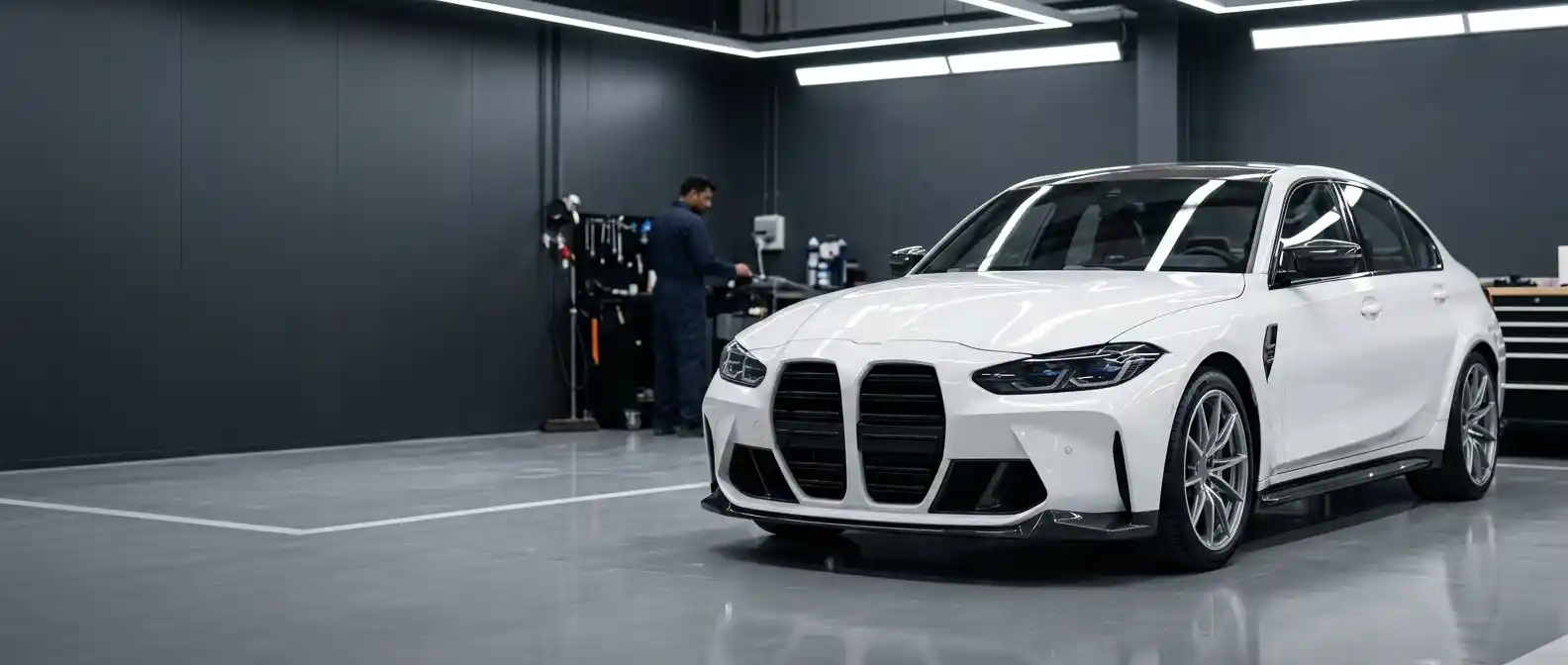
Independent BMW M3 body and paint assessment in Dubai
BMW M3 Body Repair Dubai
BMW M3 body repair should restore the visible panel and the performance references around it. Wheel geometry, flared arches, carbon-fibre boundaries, M-specific trim, sensors and paint finish can all belong to one impact zone.
We start with the damaged area, record the car as it arrives and build the repair scope from physical evidence rather than the first mark visible in a phone photo.
Impact route first
The visible mark is only one point on the impact route
An M3 can show a small arch or bumper mark while force has also reached wheel position, lamp pockets, guides, brackets or nearby sensors.
Wide photographs, wheel position, brake-area clearance, steering feel, changed gaps and dashboard messages help define the first inspection route. The purpose is not to exaggerate a cosmetic mark. It is to stop a wider impact being priced as paint only.
If steering, braking, tyre clearance or warning status has changed, inspection or recovery is safer than driving simply to reproduce the symptom.
Performance baseline board
Four repair lanes keep the M3 scope accountable
Body datum
Arch shape, openings, panel gaps and exterior fit show whether the painted body remains in the expected relationship.
Wheel datum
Wheel centre, tyre clearance, alignment and suspension references show whether the impact travelled beyond the outer panel.
Carbon datum
Roof, trim or carbon accessory boundaries are identified before cutting, heating or refinishing is considered.
System datum
Warnings, cameras, parking equipment and surrounding geometry are recorded before diagnostic closure.
Exact specification first
Model identity controls the first workshop decision
The generation, derivative, build date and fitted equipment matter before dismantling. A visually similar bumper, grille, mirror or lamp can still differ in apertures, cooling paths, electronics or mounting geometry.
The VIN and physical vehicle should agree with the proposed component before it enters paint. Previous repair, warning messages and owner-reported changes are also recorded as the baseline.
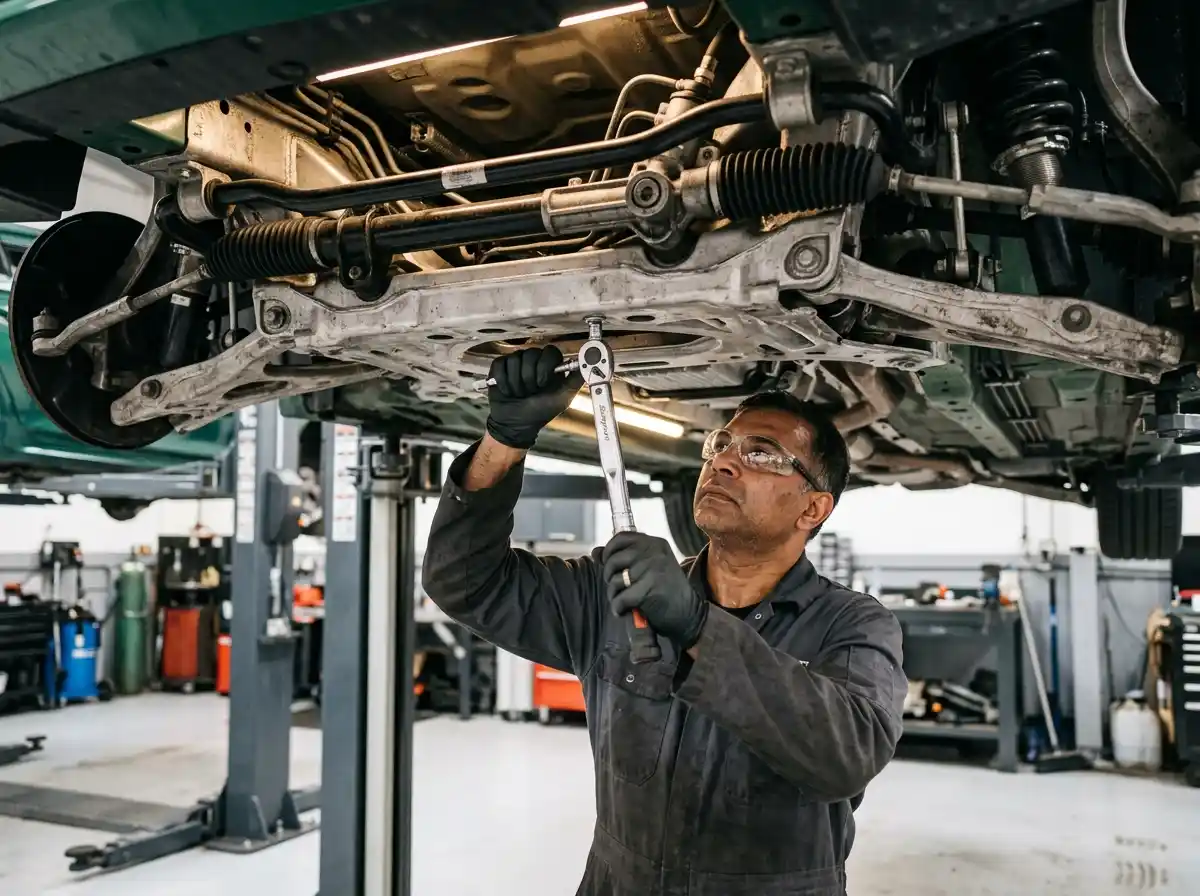
Repair versus replacement
Repair and replacement compete on the complete operation
The choice is based on recoverable shape, material state, access, attachment integrity, finish risk and total installed work.
Repair may make sense when
- The panel retains a recoverable overall shape
- Critical edges and mounts remain serviceable
- The material and approved method support correction
- The finish can be restored without excessive disturbance
- Previous work does not undermine the new process
Replacement enters the discussion when
- Material is torn or stretched beyond stable correction
- A critical mounting point is cracked or displaced
- The zone falls inside a restricted procedure area
- Hidden attachment damage makes repair unreliable
- Total repair risk exceeds a suitable replacement route
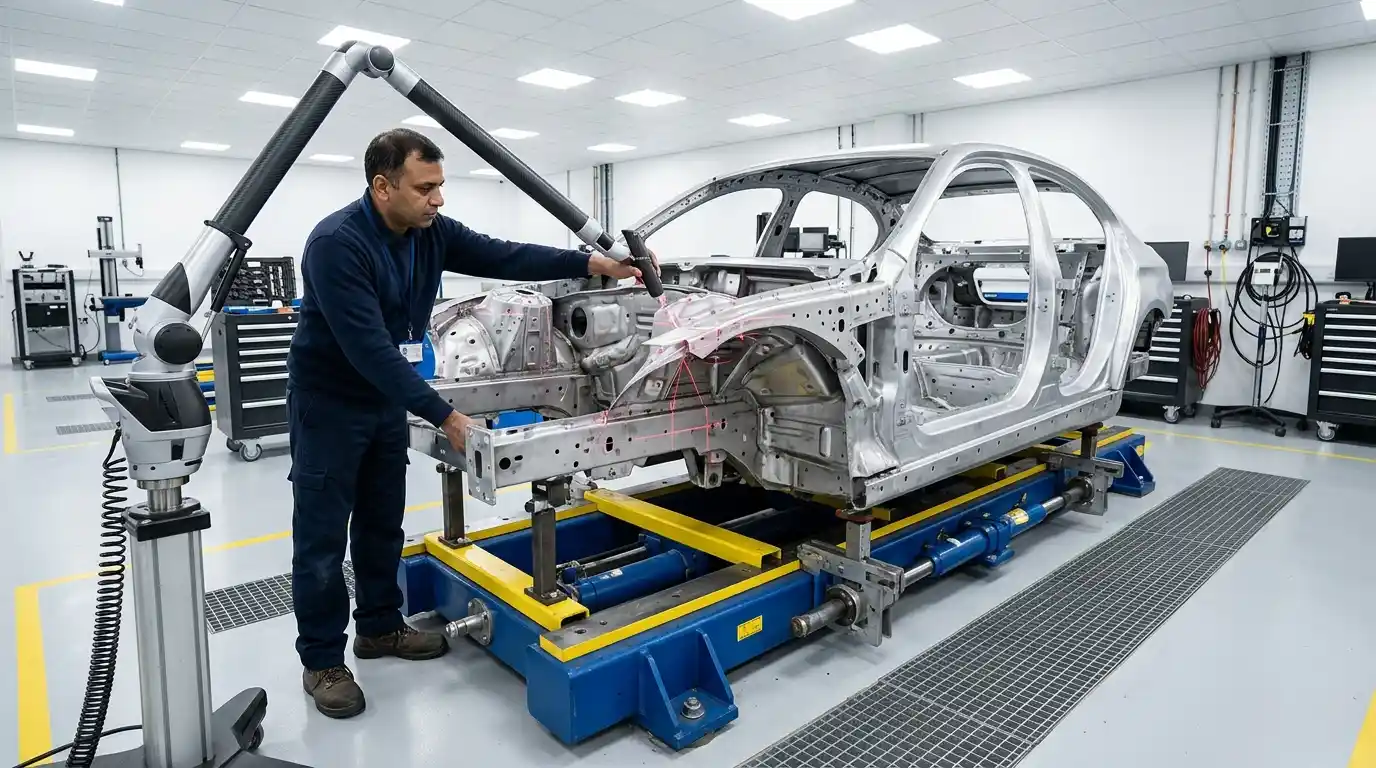
Material and joining rules
Material rules begin before metal correction
The M3 requires component-level material identification. High-performance steel, aluminium and available carbon-fibre components do not share one repair method.
Applicable repair information controls heating, pulling, sectioning, joining and replacement boundaries. Flanges, adhesive, fasteners, weld locations, corrosion protection and cavity treatment remain part of the repair even when they disappear behind trim.
Parts and M-specific equipment
Parts accuracy is decided before the spray booth
M-specific exterior parts
Bumpers, splitters, grilles, mirrors and arch pieces can vary by year, package and fitted equipment.
Trial fit before paint
Connectors, apertures, mounting geometry and transferred hardware are checked before refinishing commits the part.
Supply changes the schedule
If a component or one-time fastener is not confirmed, the milestone remains conditional rather than becoming an optimistic collection promise.
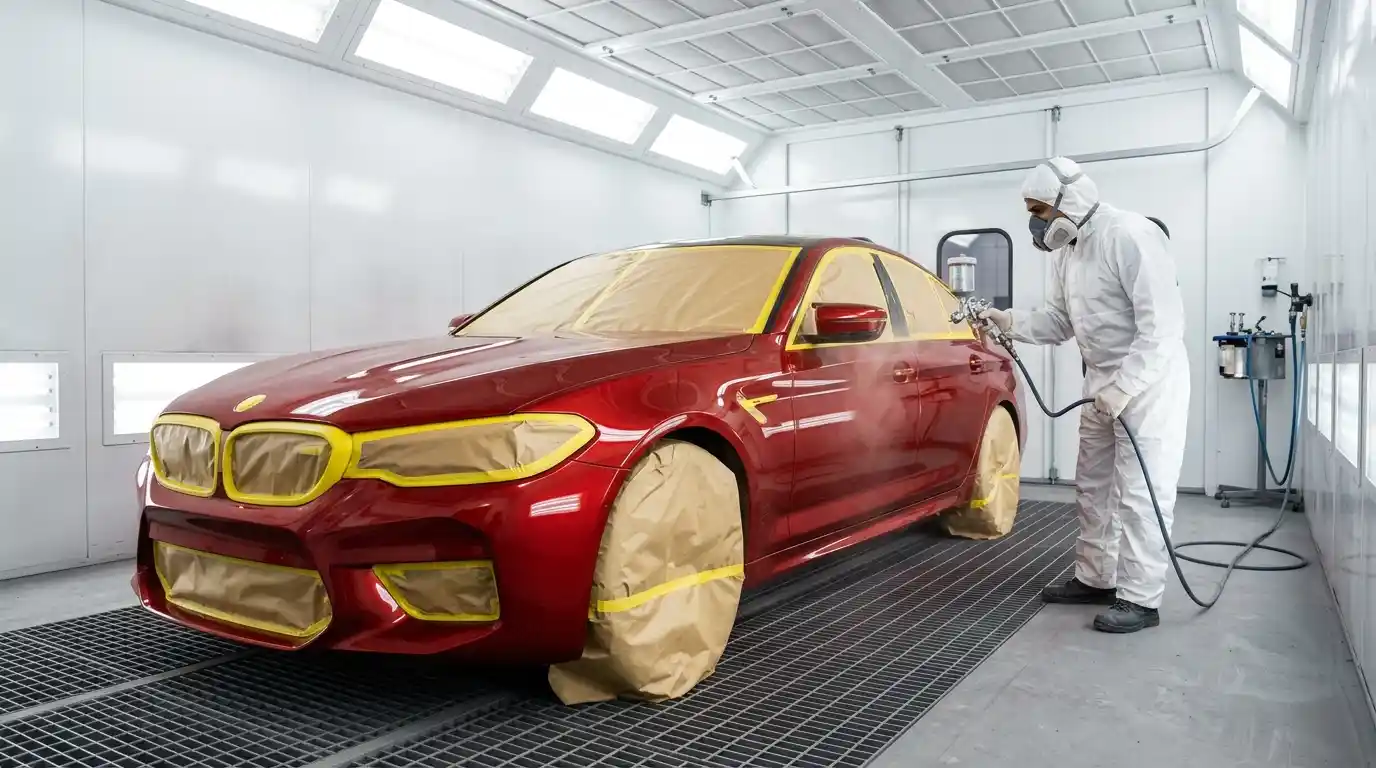
Paint and finish
Colour matching is only one layer of the finish
BMW Individual colours, strong metallic effects and tightly sculpted M surfaces make substrate shape and viewing angle important.
Paint code narrows the formula family. Spray-out comparison, gloss, texture, side tone, metallic travel, edge coverage and masking boundaries are reviewed together. Colour alone cannot sign off a finish when the panel reflection still breaks.
Sensors and verification
Sensor closure needs geometry as well as diagnostics
Pre-repair record
Warnings and communication status are recorded before dismantling so the workshop has a genuine starting point.
Physical mounting
Brackets, covers, camera view, wiring and surrounding geometry are checked before software steps are treated as final.
Procedure prerequisites
Body condition, wheel alignment and any required setup are completed before the applicable static, dynamic or combined procedure.
From intake to handover
Production gates stop one trade hiding another
Record the condition
Photograph damage, wheel references, gaps, warnings and relevant previous repair.
Inspect with controlled access
Remove only what is needed to expose mounts, reverse-side deformation and affected attachments.
Approve geometry and material decisions
Measurement and repair limits are settled before irreversible work begins.
Repair, fit and prepare
Body correction, trial fit and corrosion protection are resolved before the paint stage.
Refinish and reassemble
Paint, trim, seals, lamps, wiring and hardware return in a controlled sequence.
Verify the assembled car
Gaps, wheel alignment, scans, calibration responsibility and finish are checked before collection.
Handover evidence
Handover repeats the evidence captured at intake
Quality control compares the finished M3 with the arrival record. Full-panel reflections, edge shape, gaps, closures, lamp seating, trim, fasteners, wheels and warnings are reviewed again.
Useful records can include hidden findings, material decisions, paint approval, part identity, alignment, scan and calibration evidence where included. Pre-existing marks and deferred work remain separate.
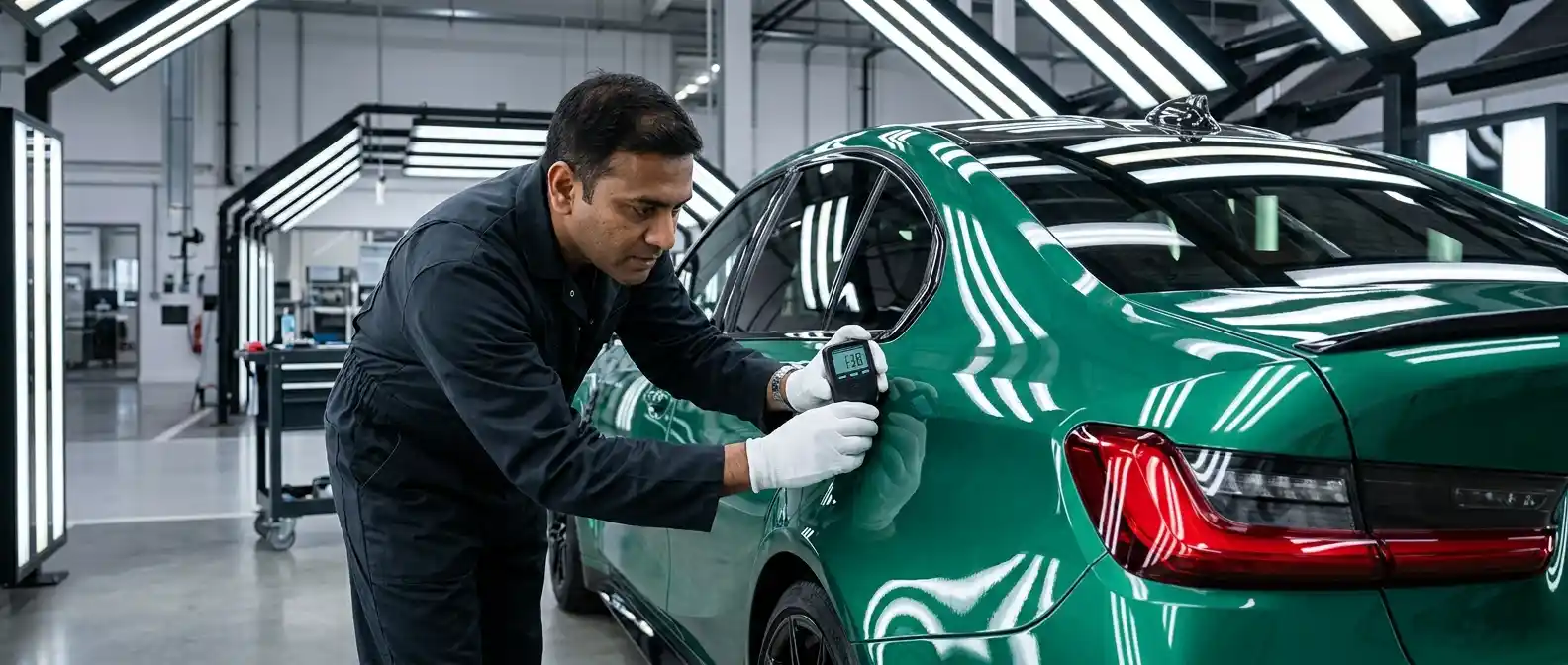
Photo estimate boundaries
A useful photo set shows context before detail
Photos can show location, impact direction, broken material and obvious fit changes. They do not reveal every reinforcement, mount, previous filler layer or hidden deformation.
A final quotation follows physical inspection and any authorised access needed to see the true repair zone.
BMW M3 body repair questions
Frequently asked questions
Can an M3 arch dent be repaired without repainting?
Sometimes. Paint condition, dent depth, edge proximity, access and the relationship to the wheel opening determine whether paintless dent repair is suitable.
Does wheel-corner damage always mean structural damage?
No. Wheels, tyres, suspension, steering, subframe position and body mounting points can all contribute. Inspection and measurement determine how far the impact travelled.
Can carbon-fibre parts be treated like metal panels?
No. Carbon-fibre and bonded components require material-specific inspection and repair information. Metal-style pulling, heating or filler assumptions are not appropriate substitutes.
Does sensor work always require calibration?
Not always. The requirement depends on fitted equipment, the repair event and applicable procedure. Geometry and prerequisites must be correct first.
How long does BMW M3 body repair take?
Timing depends on damage depth, dismantling, material decisions, repair versus replacement, parts, paint process, alignment, diagnostics and calibration where applicable.
Can photos provide the final price?
Photos help with triage, but hidden mounts, material condition, previous repair and M-specific parts can change the final scope after inspection.
Send the evidence that defines this M3 repair
Include arch shape, wheel centre, tyre, brake area, carbon boundaries and the full dashboard warning screen. Mention any change in steering, closure, camera view or warning status.