
Tower and ramp repair planning from Dubai Marina
Car Body Repair Dubai Marina
Car body repair from Dubai Marina must account for tight ramps, high tower traffic, parking access and a longer handover corridor to Al Quoz. The useful plan begins at the damaged corner. A loose lower shield, changed wheel clearance or insecure door can turn an ordinary route into a recovery question.
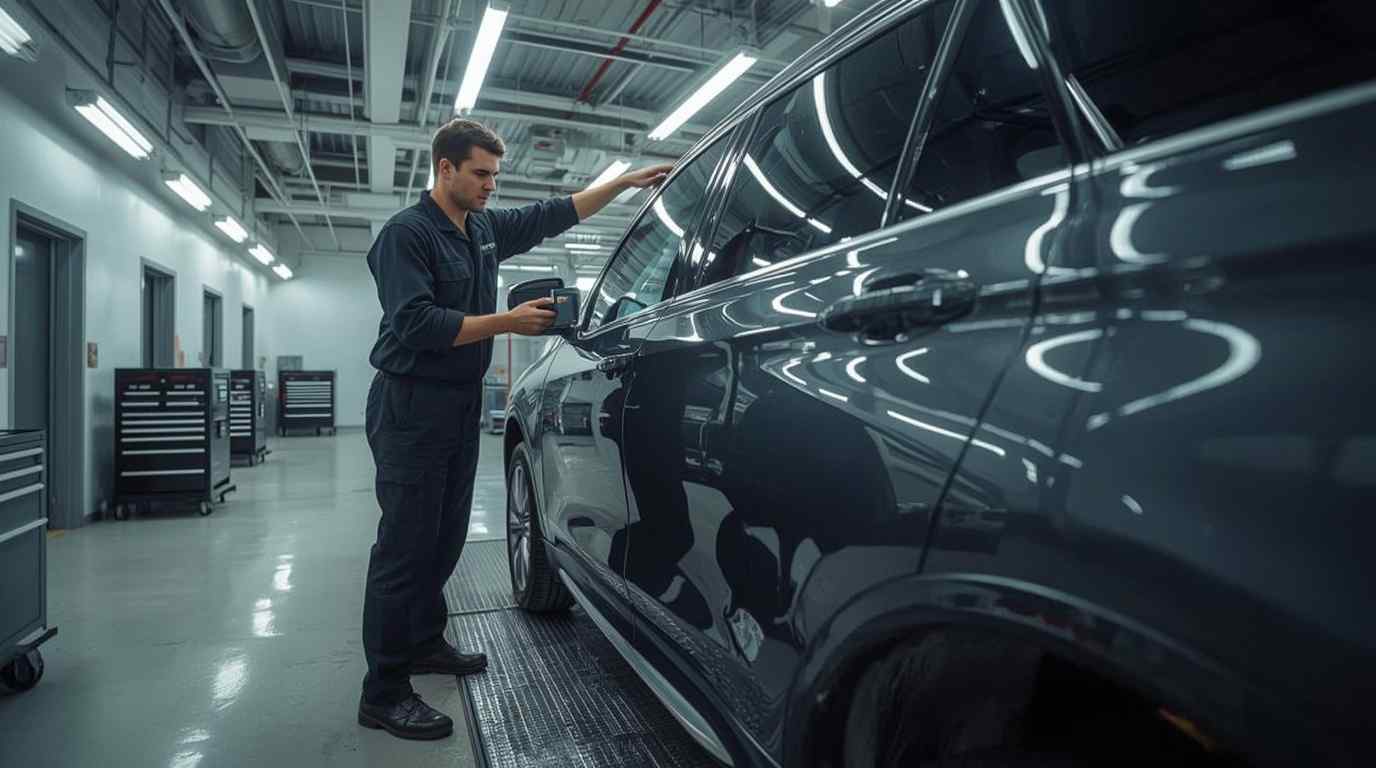
Services for ramp, pillar and high-density parking damage
The first Marina decision is whether the vehicle can leave its bay or ramp without causing additional damage.
- Lowest point with lower bumper, splitter, undertray and fasteners
- Wheel path with tyre, rim, arch liner and steering changes
- Side clearance with mirror, glass, door gap and pillar scrape
- Tower limits with ramp angle, height, turn radius and recovery permission
For island properties, use the Palm Jumeirah custody route. If the incident record involves valet, mall or event access, the Downtown Dubai repair process explains the separate evidence chain.
Once ramp and recovery constraints are settled, the body repair workshop scope covers bumper, panel, structure and fitted hardware.
Marina ramp clearance chain
The vehicle must clear four turns before it reaches open road
Each turn can bring loose bodywork closer to the tyre, floor or wall.
A scrape below eye level can control the whole journey
Ramp contact may affect a bumper lip, undertray, wheel liner, side skirt or exhaust-adjacent trim. The painted mark can be minor while the hanging component creates the real movement risk. Photograph from a safe standing position; do not crawl beneath a car that is unstable or parked in an active aisle.
If the sound changes with steering, stop. A liner or bumper edge can contact the tyre only at certain angles. The workshop checks clearances before focusing on paint. Replacing clips without finding why the part moved can produce another failure on the next ramp.
Marina damage inspection carousel
Look beneath the glossy parking scrape
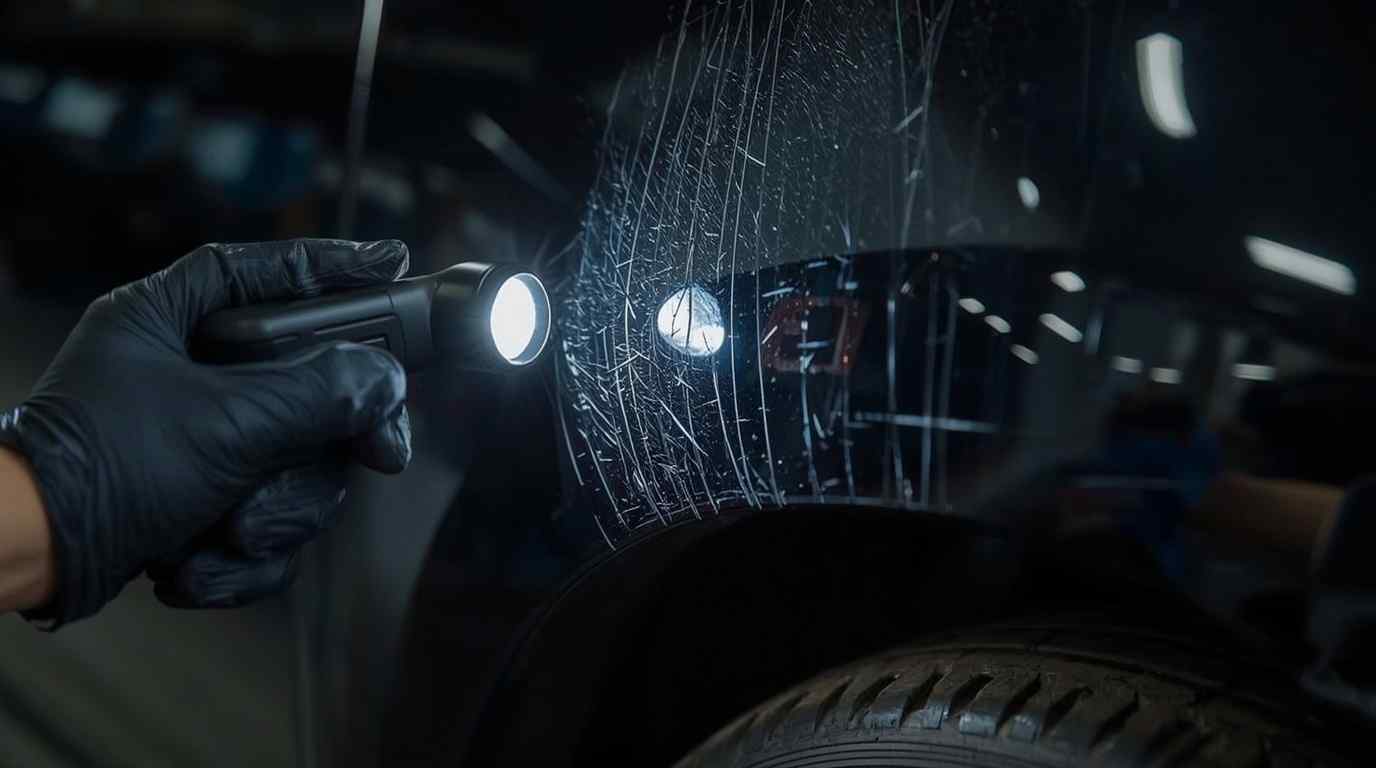
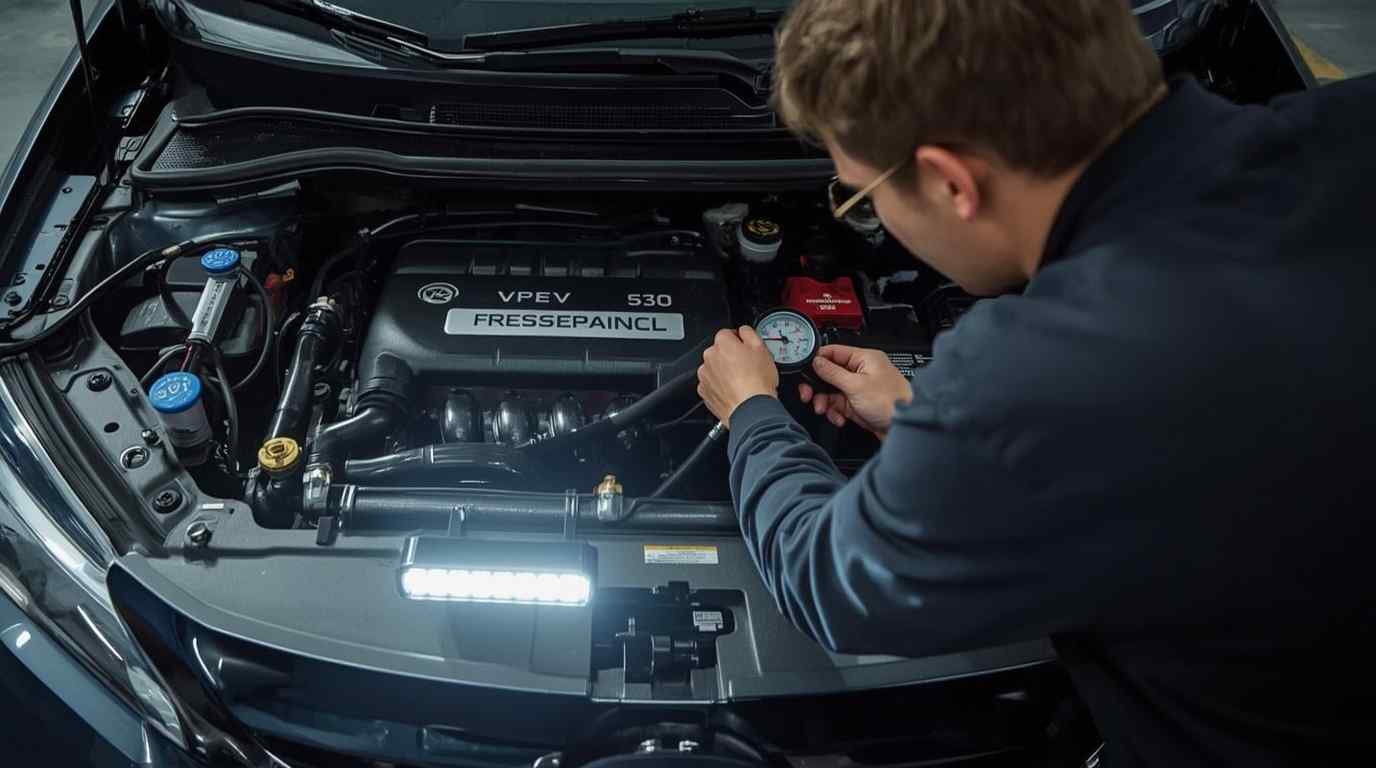
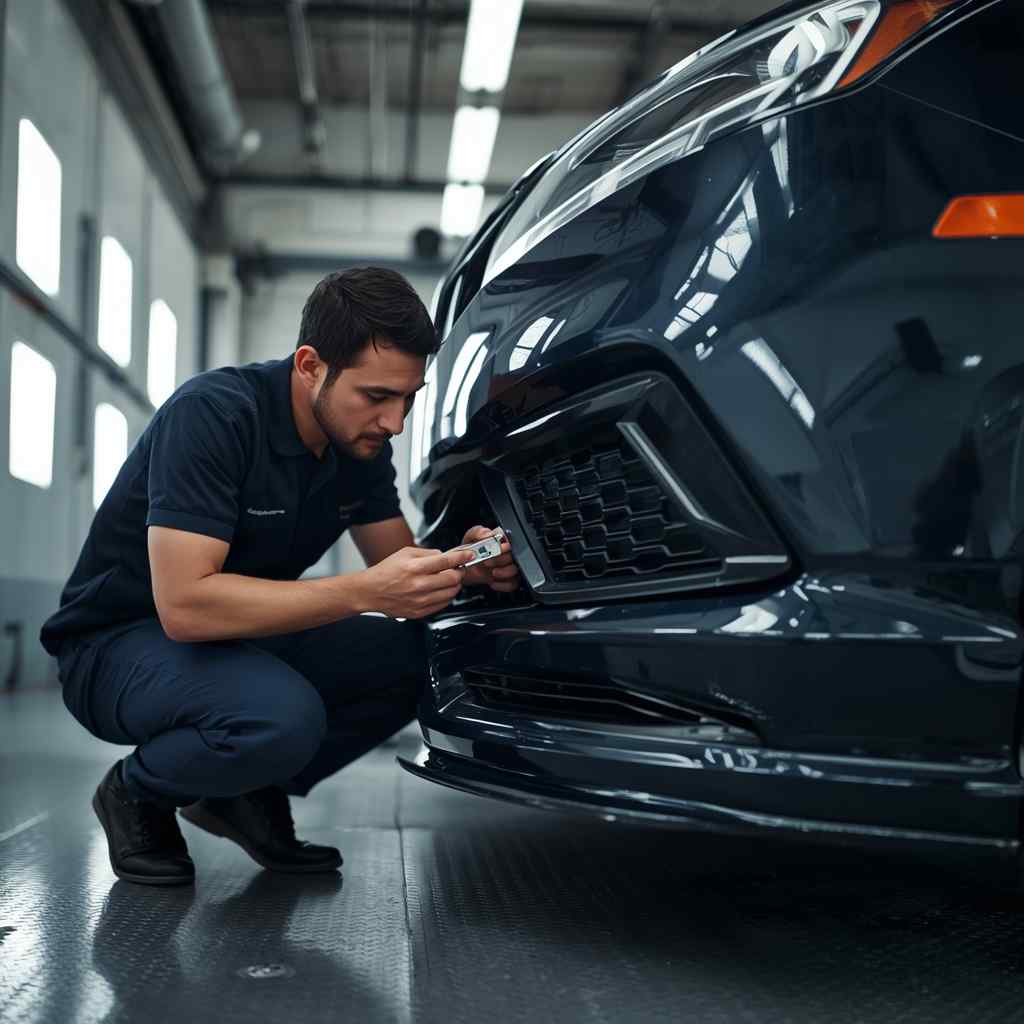
Marina pillar scrapes should be read from mirror to wheel
A side contact can travel through mirror housing, front door, rear door, lower trim, quarter panel and rim. Photograph the entire elevation so technicians can see direction and where the line ends. Cropping each mark into a separate image hides their relationship.
Door operation, glass, seals and edge contact are checked before adjustment. Paintless dent repair may suit a stable soft dent, but broken coating, a loaded edge or reinforcement boundary changes the route. The whole side should read as one reflection after repair.
Dubai Marina owner action route
Six preparation steps for a controlled workshop transfer
Stop repeated testing
Do not keep using a ramp to reproduce rubbing or scraping.
Photograph every layer
Capture the full corner, wheel, underside and dashboard.
Check tower limits
Confirm height, loading area, key custody and recovery entry.
Protect loose pieces
Avoid improvised refitting that can trap wiring or break guides.
Choose the corridor
Use current access conditions and avoid unsupported travel promises.
Recheck at intake
Tell the workshop what changed during the first movement, if anything.
Tower recovery requires permission as well as equipment
A recovery provider needs correct height, turning and waiting information. Building management may direct the vehicle to a loading bay or restrict access times. Confirm the process before dispatch. BodyShop.AE can prepare receiving details but does not control tower entry.
Normal driving is not recommended when tyre, steering, cooling, restraint or major structural risk is possible. A long queue to exit the Marina is not an acceptable place to discover that a damaged wheel or liner cannot complete the route.
Colour is approved outside one basement light source
LED, fluorescent and warm parking lights can change the way metallic and pearl finishes appear. The workshop uses the paint code as a starting family, then checks the existing car, previous refinishing, spray-out and side tone. The blend decision follows the actual surface.
Clear-coat texture and panel reflection matter alongside colour. A polished patch that looks bright in the tower can still show orange peel or a wave in daylight. Quality control uses several angles and suitable lighting before the vehicle returns to Marina parking.
The estimate separates visible paint from hidden attachments
A first photograph can show the surface and the access likely needed. It cannot confirm every guide, shield, sensor holder or wheel-area component. Conditional items are marked before dismantling. Hidden findings are photographed in place and sent for approval.
No fixed price or repair duration is promised without manager approval and inspection. Parts availability, building logistics, model, material, paint system, diagnostics and insurer steps can all change the sequence. The customer receives the dependency, not a false sense of certainty.
Return-to-tower checks are different from workshop checks
Workshop handover confirms the repair against body and manufacturer references. The first Marina ramp then introduces a site-specific clearance condition. Drive slowly and stop if a new scrape or rub appears. Do not keep cycling the ramp to determine whether it will repeat.
A building obstacle, fresh parking contact and a repair concern require different evidence. Photograph the location and vehicle before assumptions are made. Clear aftercare makes follow-up faster and protects both the owner and the workshop from mixing separate events.
High-rise wind and open decks change loose-part behaviour
A trim edge that rests quietly in an enclosed bay may move on an exposed parking deck or faster road. Do not tape a large panel into place without understanding what wiring, sensors or sharp edges sit beneath it. Share a short static video from a safe position if movement cannot be shown in still photographs.
The workshop decides whether temporary securing is appropriate for recovery only. It is not presented as a road-use repair. A damaged bumper or liner should reach the bay without creating a detached-object risk for other Marina road users.
Long queueing can expose cooling damage
A front impact that affects grilles, shutters, radiator support or cooling components may appear manageable while the car is moving, then create a temperature problem in slow Marina traffic. Any temperature warning, steam, fan noise or fluid trace is a stop condition. Do not run the engine in the basement to test it.
The receiving plan should state whether the vehicle arrives by recovery and whether it can be powered normally for unloading. Technicians inspect cooling and lower support questions before the exterior finish. A repainted bumper cannot correct restricted airflow or a disturbed cooling mount.
Door mirrors and glass need a single side-impact file
A pillar or wall scrape can fold a mirror, load a door edge and move a glass channel while leaving the main panel mostly straight. Intake records mirror movement, indicator or camera warnings, window operation and the complete side reflection. Repeatedly folding a damaged mirror can break remaining wiring or mounting material.
The estimate separates mirror housing, glass, door shell, trim and electronic operations. A used mirror with the correct colour may still have different equipment. Part identity and function are confirmed before paint or final assembly.
Marina return checks should include the lowest repaired point
Workshop handover often happens on a level floor. Before the vehicle returns, the reviewer identifies the lowest repaired or refitted component and explains any relevant clearance. The owner should know whether a splitter, shield, liner or side skirt was part of the work.
On the first tower entry, approach slowly and stop if contact occurs. Photograph the ramp and vehicle rather than continuing through several levels. That evidence separates site geometry from a component that may have moved and gives the workshop a useful follow-up question.
Clear the Marina ramp before choosing the repair transfer
Send the full corner, nearest tyre, lower-body view, warning lights, parking level, height limit and the person who can release the vehicle.