

Workshop tools
How Spectrophotometers Support Car Paint Matching
Learn what an automotive spectrophotometer measures, why readings need clean reference areas and how spray-outs, technician judgement and lighting verify the final match.
Read guide
Clear answers on dents, paint, accident damage and protecting your car. Explore practical guides to understand the problem, compare repair options and care for the finish.
Showing 37–45 of 49 guides
Learn what an automotive spectrophotometer measures, why readings need clean reference areas and how spray-outs, technician judgement and lighting verify the final match.

Specialist body repairs may require measuring, lifting, scanning, welding, sanding and refinishing equipment suited to the vehicle’s materials and construction. This guide explains twelve tools and the job each one performs.
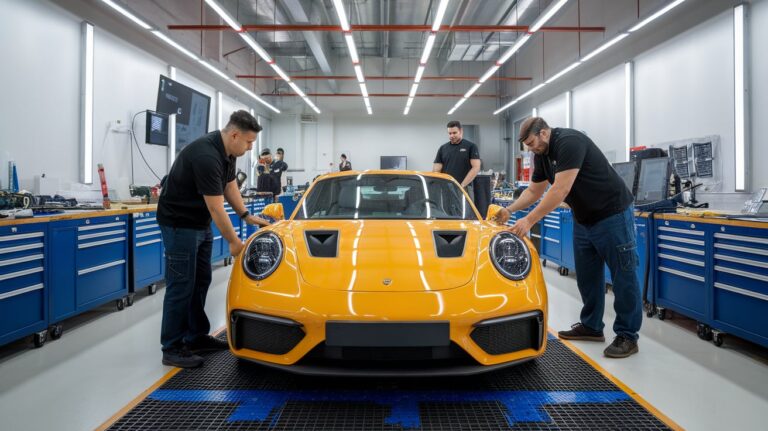
Removing automotive paint may involve abrasives, heat, chemicals or powered tools, depending on the coating and panel. Compare ten tools, their intended uses and the risks of removing too much material.

Frame measuring, pulling, welding, scanning and refinishing tools address different stages of collision repair. This guide explains what the main equipment does and why visible panel correction is only one part of the job.
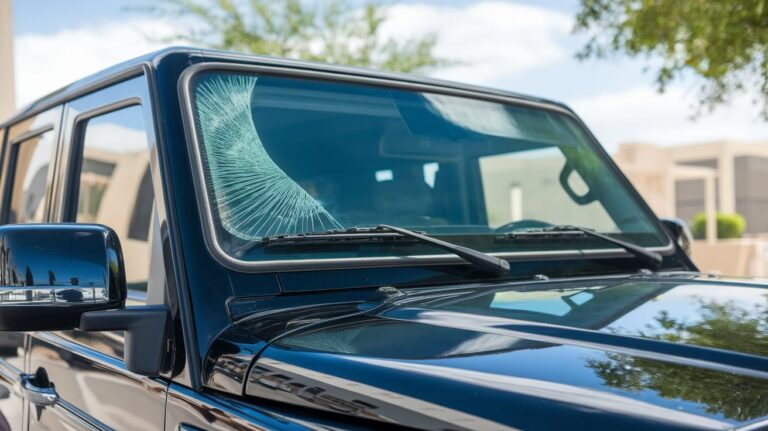
Windshield scratches can create glare and visibility problems. Learn when light surface marks may be polished and when deeper damage needs inspection or replacement.

Automotive welding work can require MIG, TIG, resistance spot-welding, extraction and preparation tools. Learn how material, joint location, repair information and heat control shape the equipment choice.
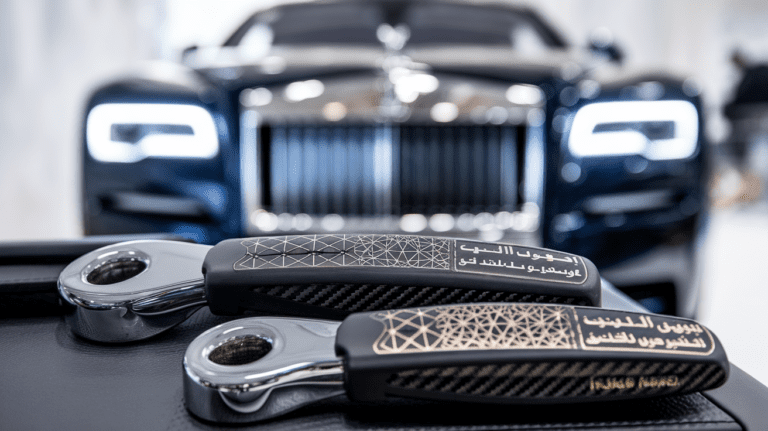
Luxury and complex vehicles may need model-compatible diagnostics, calibrated measuring tools and material-specific body equipment. This guide explains tools used for fault diagnosis, chassis measurement, controlled lifting, torque application and workshop calibration.
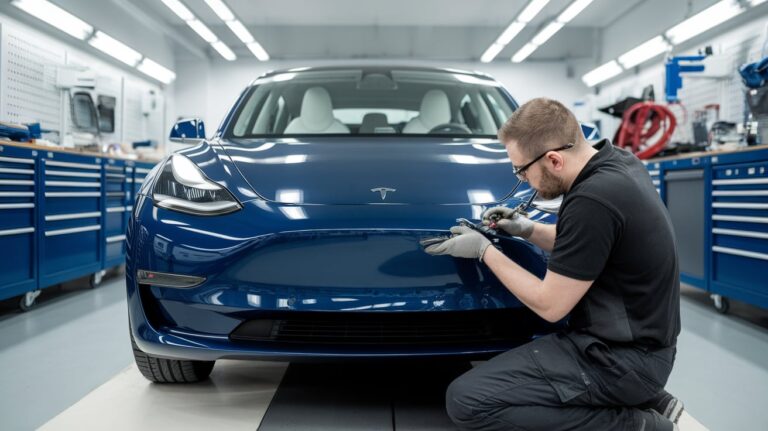
Learn how technicians assess paint, metal stretch, dent shape, panel access and material before using paintless dent removal, plus its limits and quality checks.
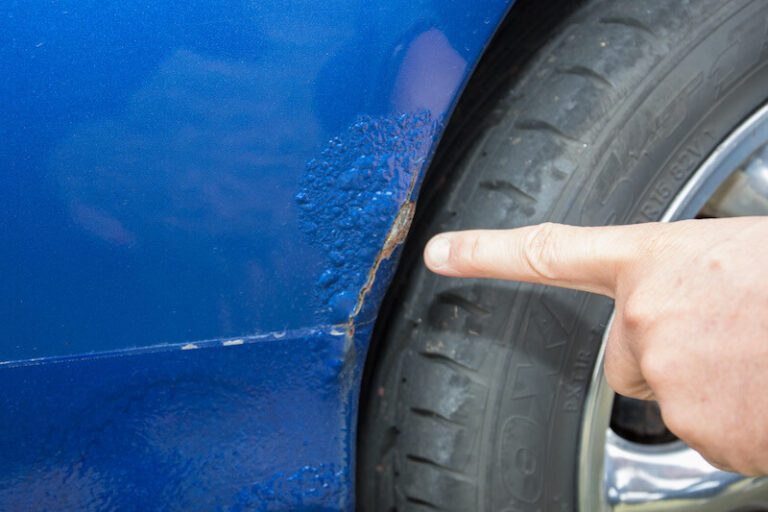
Surface rust, bubbling paint and corrosion beneath a chip require different levels of preparation. Learn how workshops expose the affected area, remove unstable material and decide whether local refinishing or broader metal repair is needed.