
Tower-to-workshop body repair planning
Car Body Repair Business Bay
Car body repair from Business Bay often begins below street level. Basement ramps, loading-bay rules, valet custody and peak-hour exits can affect how a damaged vehicle reaches the Al Quoz workshop. The first decision is not the paint colour; it is whether the car can leave its parking position without worsening wheel, panel or closure damage.
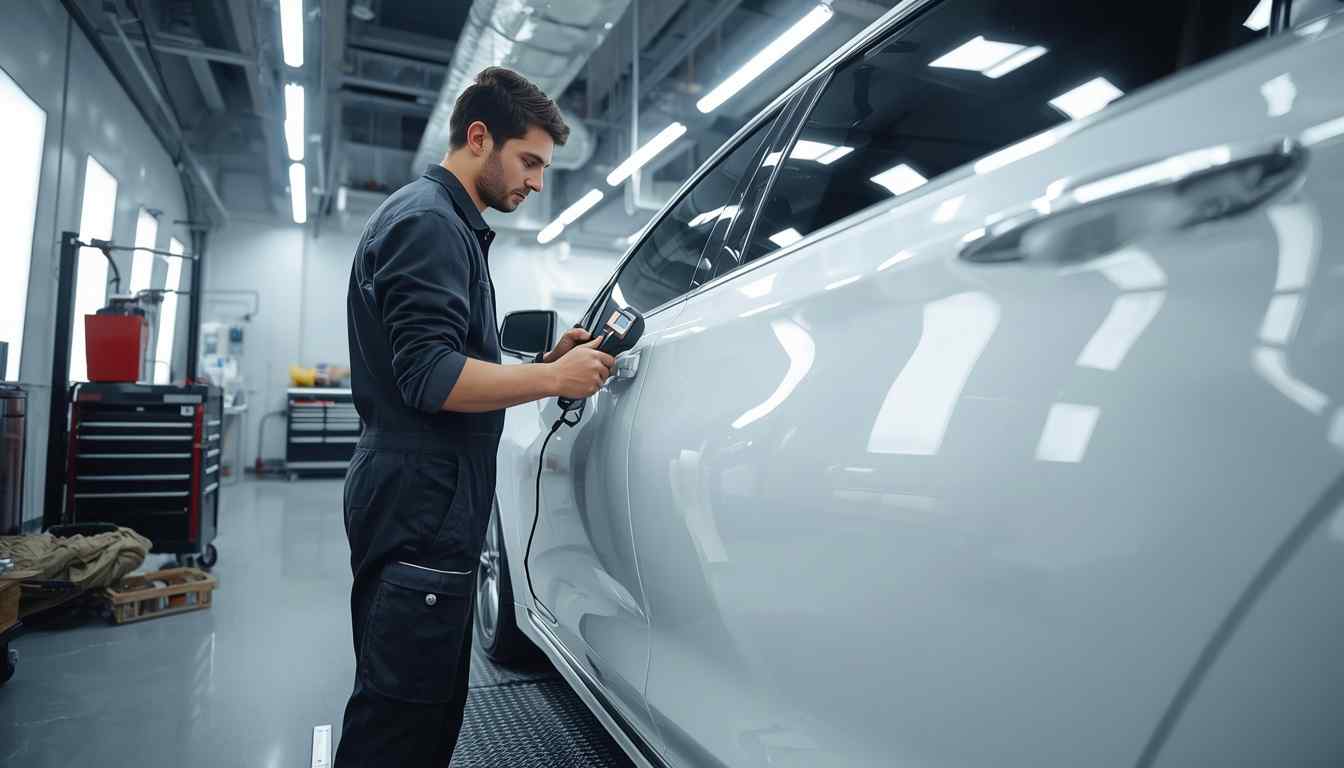
Business Bay basement exit chain
Clear five gates before the vehicle leaves the tower
A driveable-looking car can still be blocked by one loose shield or changed wheel clearance.
Artificial parking light can hide the real paint problem
Warm or uneven basement lighting can make metallic and pearl finishes appear closer or farther apart than they are. Photograph colour under the available light for incident evidence, but expect the workshop to use neutral viewing, colour measurement and spray-out comparison beside the car. One phone image cannot approve a blend boundary.
Long reflections from overhead lights are still useful for shape. They can reveal a crown spreading beyond a door dent or a bumper corner sitting low. Capture one wide oblique view and one straight elevation before the vehicle moves, especially when a pillar or another car created the contact.
Six services matched to common tower-parking damage
Business Bay basement damage is separated by impact path.
| Evidence | Repair decision |
|---|---|
| Pillar-side scrape | Mirror, door, sill, wheel and paint-transfer direction |
| Ramp or lower-bumper strike | Fasteners, cooling routes, undertrays and clearance |
| Door-edge contact | Hinge, latch, aperture, glass and seals |
| Insurance incident | Custody record, report status, estimate and supplements |
Damage that occurred before reaching the tower may need the live-road safety sequence on the Sheikh Zayed Road repair page. Valet or event custody is handled separately in the Downtown Dubai incident route.
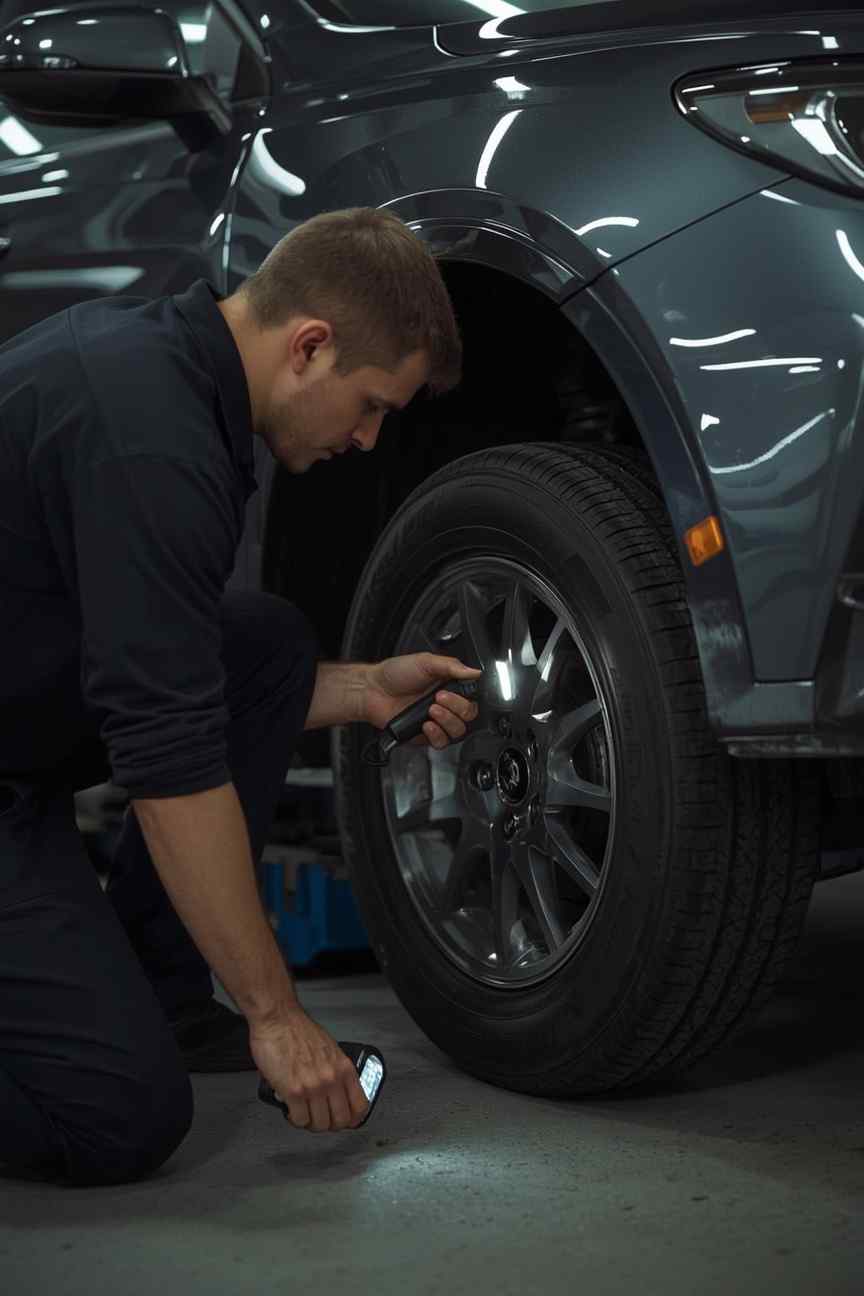
A tight ramp turns a loose liner into a movement problem
A bumper cover that looks secure while parked may flex during steering or ramp transition. Lower shields, wheel liners and clips can move closer to the tyre. Do not reverse repeatedly to test the noise. Record steering position, the affected corner and whether the part changes with wheel movement.
When recovery is needed, tower height, turning space and loading access matter. Coordination should happen before the truck arrives. The body shop can discuss receiving information, but building management controls entry and waiting rules. No pickup or recovery availability is promised until the specific access is confirmed.
Business Bay custody route
Six records that prevent a broken handover
Owner authority
Identify who can approve access, estimate changes and collection.
Valet note
Record keys, bay, existing marks and the person releasing the vehicle.
Security access
Confirm visitor, recovery and loading-bay rules before arrival.
Incident file
Keep report, other-party and insurer details with the repair contact.
Workshop intake
Repeat warnings, movement limits and hidden-damage questions.
Return custody
Name the collector and check the repaired zone before tower entry.
Valet custody requires a clean damage record
When a vehicle was parked or moved by a valet, establish who observed the incident, where the car was located and which marks are disputed before repair begins. Photographs should include the complete side or corner, not only a cropped scratch. Keep any ticket, report or property communication that may affect responsibility.
BodyShop.AE does not decide liability. It records the vehicle condition and the repair evidence. Pre-existing damage remains separate from the new contact so an estimate or invoice does not accidentally become a statement about who caused every mark.
Damage and repair evidence
A carousel from intake to finish

Business Bay exits change with traffic and access direction
Al Khail Road, Sheikh Zayed Road and connecting streets may all be relevant from Business Bay, but the useful route depends on the tower and current traffic. This page avoids fixed travel-time promises. A car with wheel or cooling concerns should not be routed through congestion merely because a map shows a short distance.
Share the exact building, parking level and safe release point. If the vehicle is normal to move, schedule can be chosen around access and workshop receiving. If normal movement is in doubt, the decision becomes recovery and clearance rather than convenience.
The body repair scope follows the impact path
A pillar scrape can cross the mirror housing, front door, rear door, lower trim, sill cover and wheel. Each area has a separate material and fit question. Repairing the most visible door without checking the continuing line can leave broken reflection or a tight opening.
Readers needing broader technical detail can use the body repair service, the dent repair guide and the paint refinishing page. This location URL remains focused on tower damage and handover logistics.
Hidden findings must remain visible to the approver
Bumper, sill or door trim removal may reveal broken guides, bent flanges or wiring damage that was not visible in the basement. The workshop photographs those findings in place and states whether they change safety, fit, parts or finish. Work does not quietly expand because the owner is busy in a tower office.
Claim approval and cash-repair authorisation are kept distinct. The responsible contact receives a clear supplement request with the evidence available. That makes the repair decision easier to audit and prevents a generic “extra work” line from replacing the technical reason.
Return to Business Bay includes a low-speed clearance check
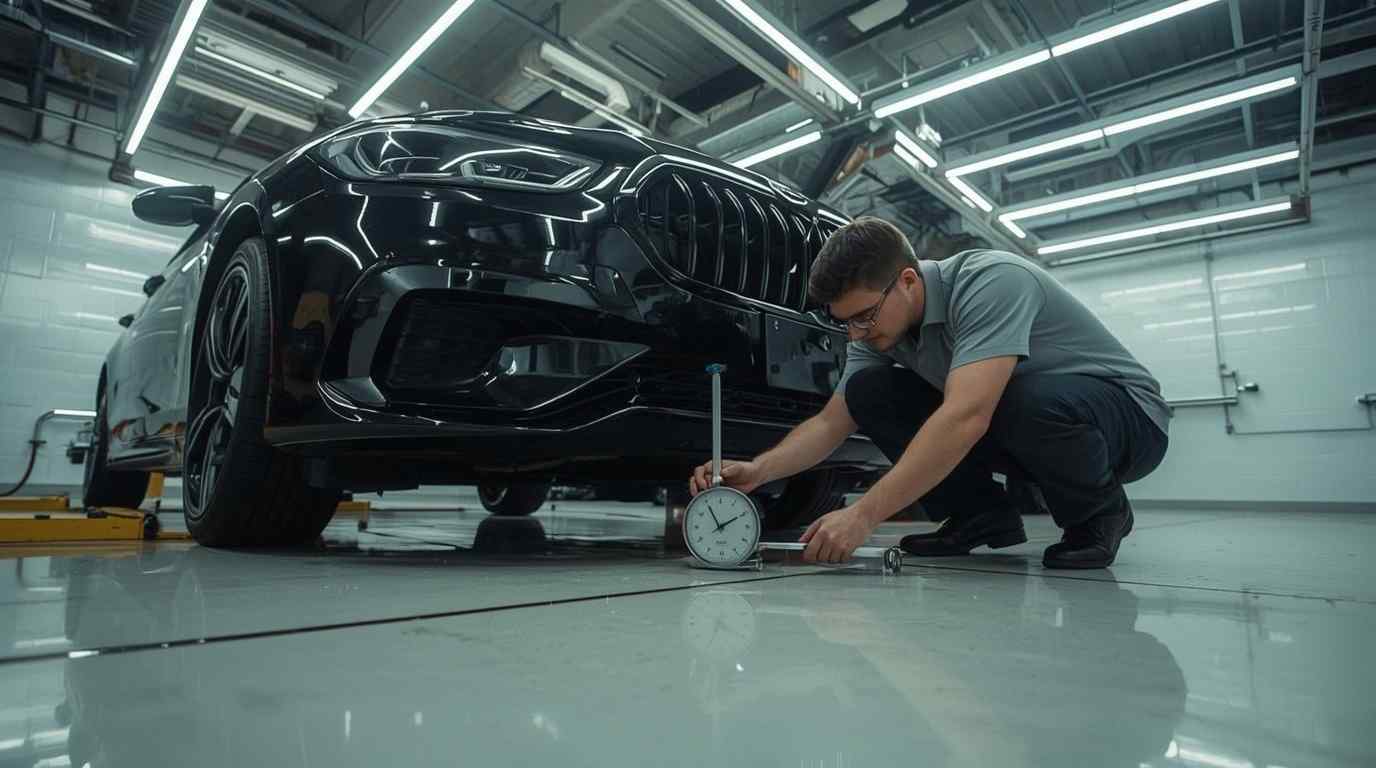
Before release, relevant wheel-liner clearance, bumper security, door operation and lower trim are checked statically. A road test is used only when authorised, safe and needed for a defined observation. It is not a performance demonstration or a substitute for measurements.
At the tower, approach ramps and barriers cautiously. If a new scrape, warning or rubbing sound appears, stop and photograph it. Building geometry, a new parking contact and an unresolved repair concern are different causes; a good follow-up record helps separate them.
Basement water and dust marks can preserve useful clues
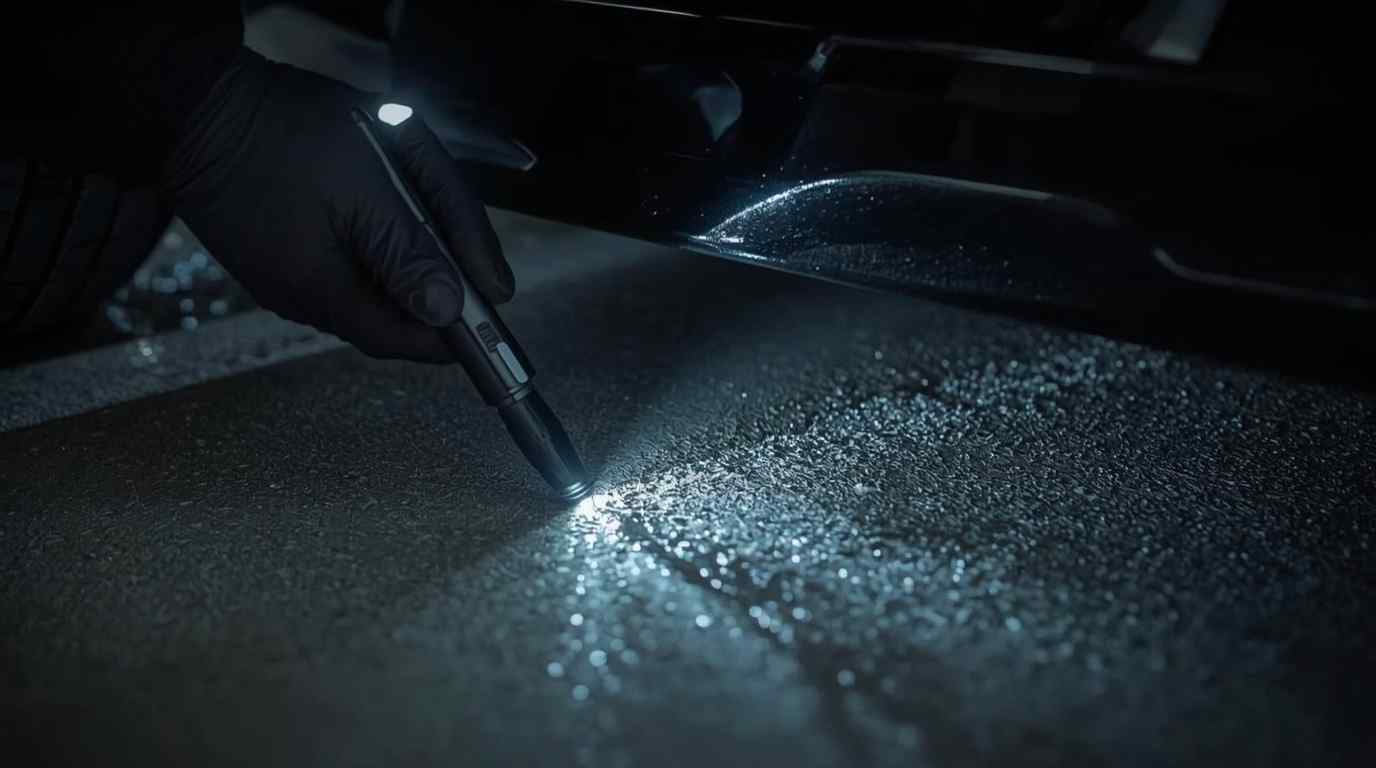
Dust lines around a bumper guide, fresh scrape direction and transferred wall paint can reveal how a component moved. Cleaning the car before assessment may remove that evidence. Water dripping from air-conditioning is not automatically a collision leak, but coloured fluid, a new smell or a temperature warning should move the vehicle into a controlled inspection or recovery route.
Photographs are taken before cleaning where practical. The workshop identifies the likely system and checks surrounding damage rather than declaring a cause from colour alone. Unknown fluid should not be touched, and the engine should not be run simply to see whether more appears.
A tower handover should include keys and digital access
Modern vehicles may use physical keys, cards, phone credentials, valet modes or PIN restrictions. The releasing contact explains what is available and removes personal digital access when appropriate. The workshop needs lawful, sufficient access for agreed inspections without inheriting unrelated account permissions or private data.
Charging cables, parking cards, Salik tags, valuables and documents are recorded or removed according to the job. A clear inventory protects the vehicle as it changes custody from office or residence to workshop and back. It also prevents a missing accessory from being confused with body repair quality.
Business Bay return delivery should avoid a rushed lobby check
The repaired panel is best reviewed at the workshop under suitable light, not for the first time in a busy tower driveway. Colour, texture, reflection, gaps and functions are checked before custody changes. The responsible collector receives the repair evidence and aftercare rather than only a payment receipt.
If another person or valet will receive the vehicle, the owner can authorise them and request a concise condition record. A later mark found in the basement then has a clearer timeline. This is especially useful where several employees or property teams handle the same keys.
Business Bay enquiries need building details before price details
A useful enquiry names the tower, basement level, barrier or loading contact, vehicle height, damaged side, steering or tyre change, loose parts, fluid evidence and the person able to release the keys. Only then does it make sense to discuss normal arrival or assisted handover. Asking for a quotation before those facts encourages a number that ignores the practical obstacle keeping the car in the building.
The workshop response should identify one owner action and one repair uncertainty. For example, confirm recovery entry while technicians prepare for a wheel-corner inspection, or obtain a full door-gap photograph before deciding whether normal movement is appropriate. The page earns commercial value when it makes that conversation shorter and more accurate, not when it simply repeats “body shop near Business Bay” throughout the copy.
The repair method follows the panel and fitted equipment
A shallow dent with intact paint may suit paintless dent repair when access and panel condition allow it. Cracked paint, stretched metal, broken plastic or damaged edges can require conventional repair and refinishing, while severe or uneconomic damage may support replacement. Colour is compared on the actual vehicle, and any sensor, camera or fitted opening disturbed by the impact is kept as a separate inspection or calibration decision rather than being hidden inside cosmetic bodywork.
Clear the Business Bay exit before booking the repair
Send the basement level, height restrictions, vehicle position, complete damage path, warning lights and the contact who can release the car.