
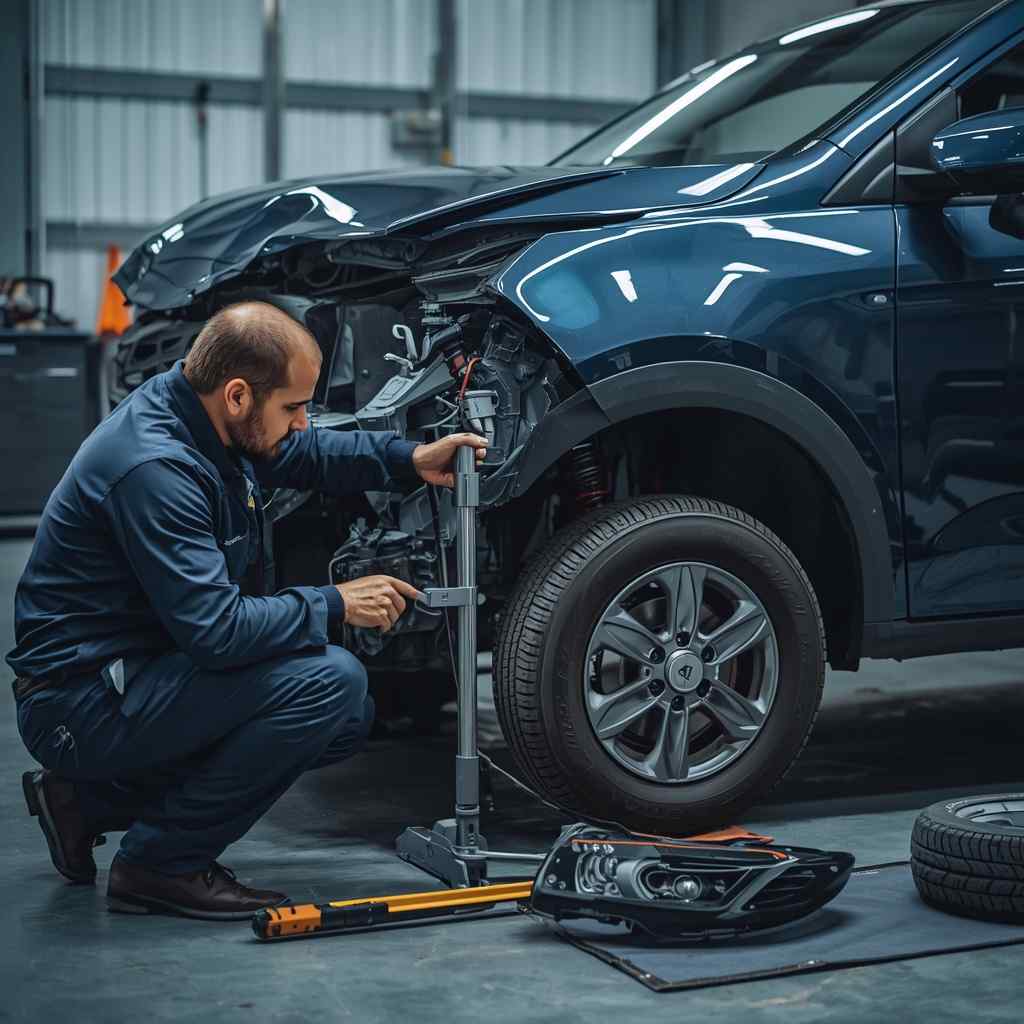
Body, bumper and paint decisions for Changan owners
Changan Body Shop Dubai
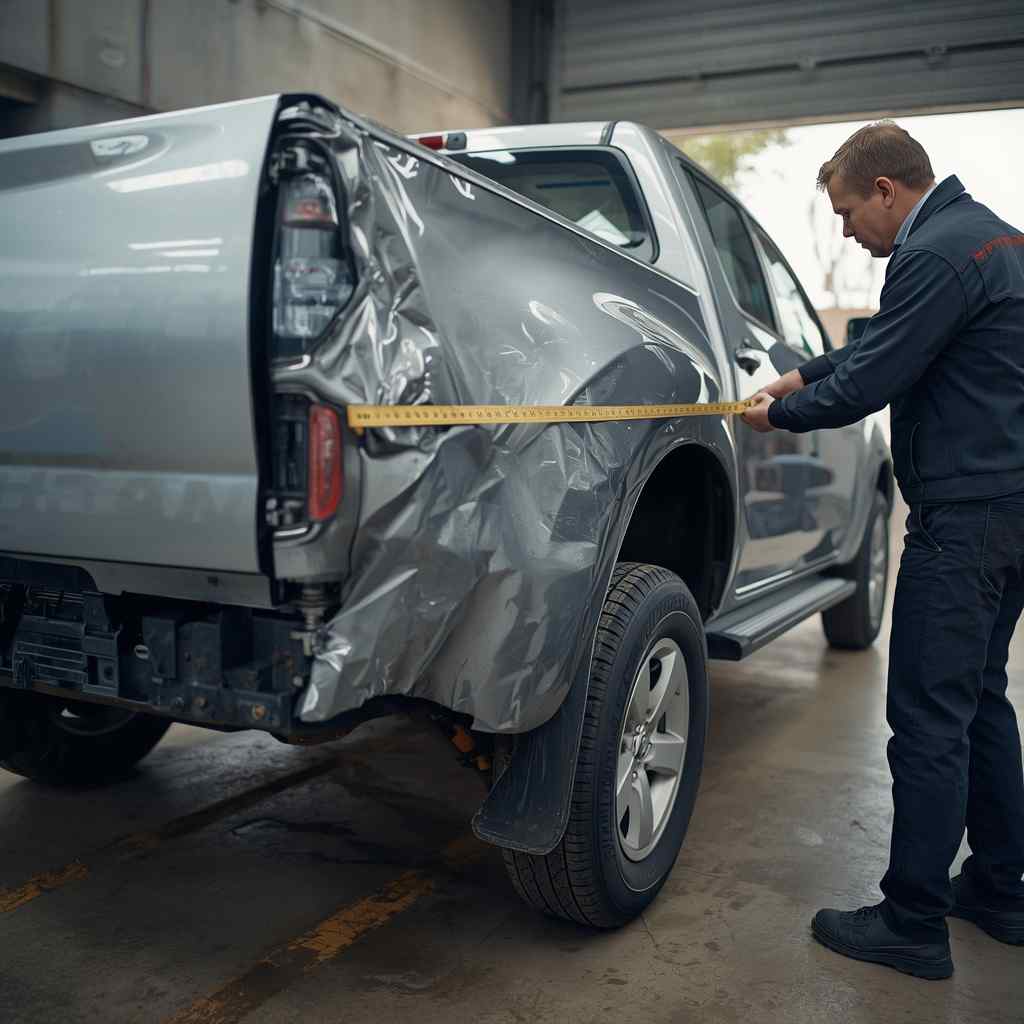
After a parking contact or collision, the most useful clue is often a change rather than the size of the mark. A bumper corner that no longer sits flush, a camera view that looks different, a door that needs extra effort or a new warning on the display can point to work beyond paint. Our Changan body repair assessment connects those changes with the damaged panels, fitted driver-assistance hardware and exact model before a quotation is finalised.
Start with this owner self-check before the workshop visit
Do not press, pull or heat a damaged panel. Simply record what you can see, hear and operate safely. This gives the technician a better starting point and helps identify when the vehicle should be recovered instead of driven.
What changed after the impact
Compare the vehicle with how it behaved immediately before the incident. Note the exact corner or side, direction of contact and whether any part became loose.
A bumper, lamp, bonnet, tailgate or door now sits proud, tight or uneven.
Parking view, sensor tone, powered closure, mirror, lamp or driver-assistance message behaves differently.
Steering, wheel position, tyre clearance, cooling, braking or warning status is no longer normal.
A dent crosses a press line, paint has split to the substrate or a crack continues into a mounting area.
If the impact may involve steering, suspension, wheel clearance, airbags, cooling, structural members or a high-voltage system, do not rely on a photograph to decide that the Changan is safe. Arrange inspection or recovery.
Different Changan body styles create different repair questions
The Changan range seen in the UAE includes saloons, compact and large SUVs, coupe-shaped SUVs and vehicles with different powertrain and equipment packages. The model badge alone does not define the repair. Build year, trim, exterior package, lighting and assistance features can change the bumper cover, grille, mirror, camera arrangement and parts required.
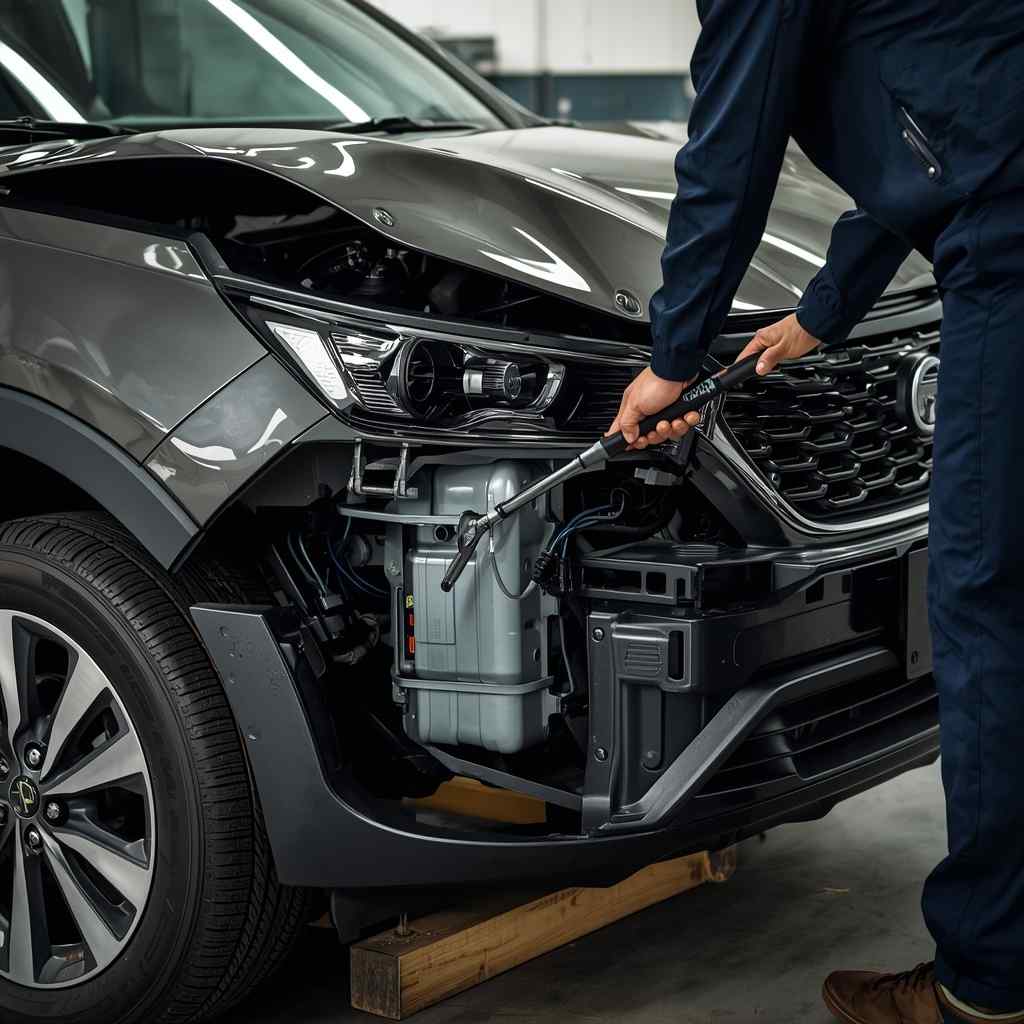
Compact SUV zones
Front corners, wheel-arch mouldings and closely grouped lower trim often need a fit check after kerb or parking contact.

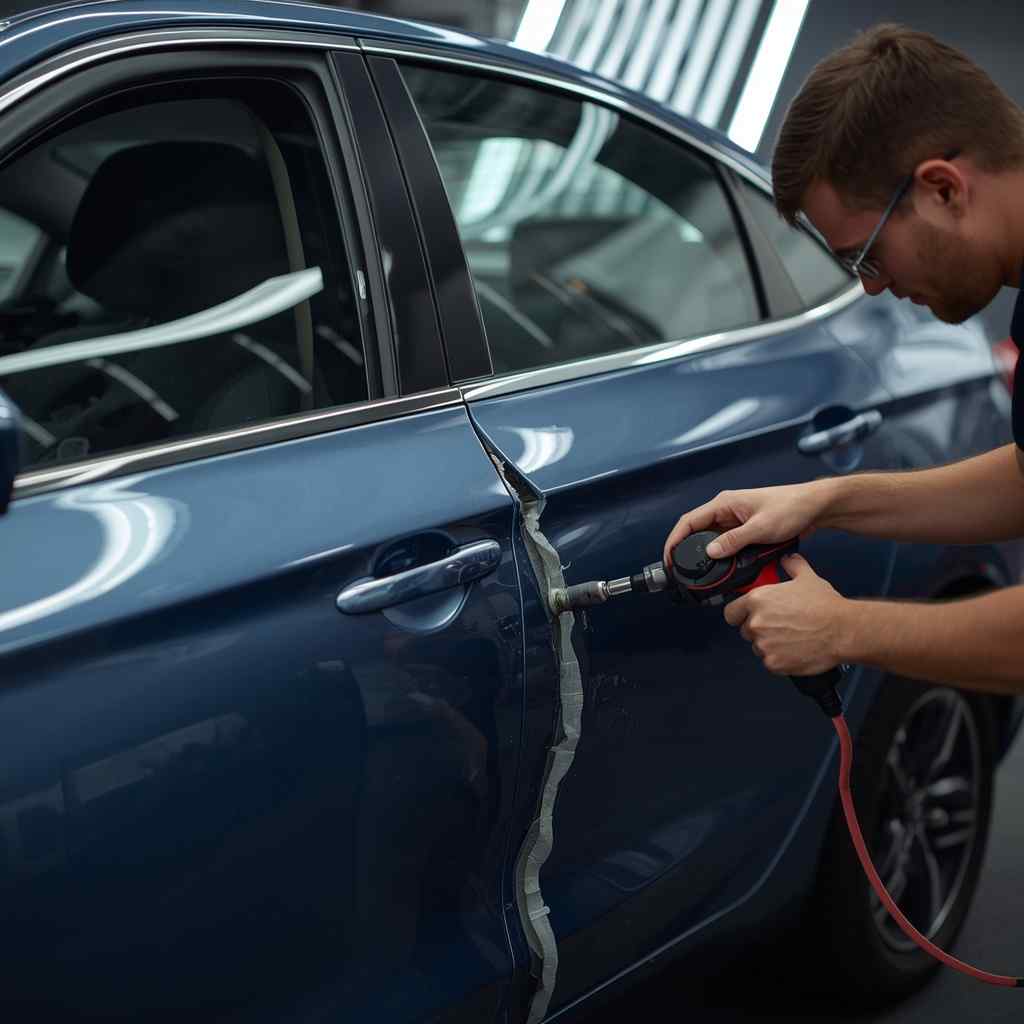
Fast roofline zones
Long rear quarters and sloping tailgates show waves and gap errors across a broad reflection.
Large SUV zones
Heavier closures, multiple bumper pieces and wider lamps can spread a rear impact across more attachments.
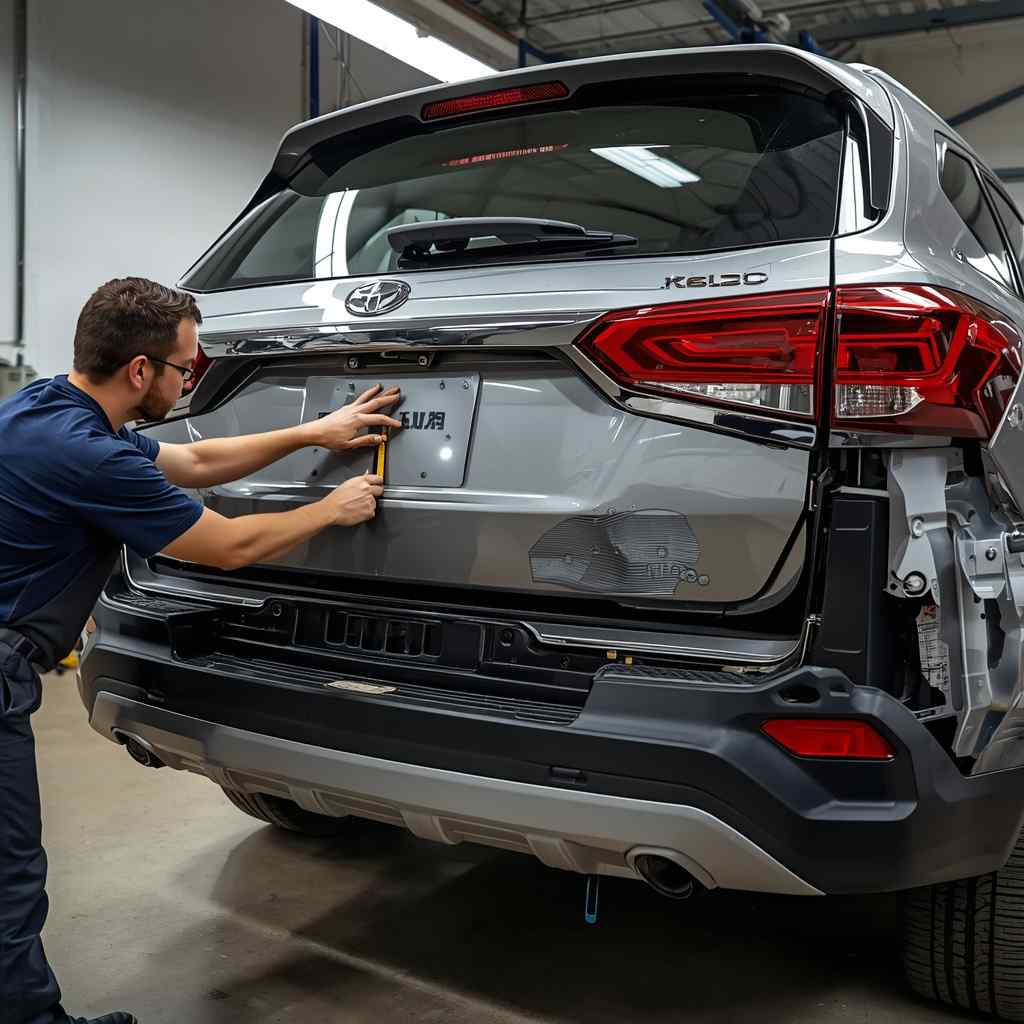
Smart vehicle zones
Cameras, radar-related hardware and ultrasonic sensors make exact position part of the body repair plan.
Changan UAE describes advanced driver-assistance systems using cameras and sensors on equipped vehicles. Because the package varies, we confirm what is fitted to the specific car instead of assuming every CS, UNI or EADO derivative carries the same hardware.
The diagnostic pathway separates appearance from impact damage
Map scratches, dents, splits and disturbed gaps.
Remove only what is needed to see mounts and supports.
Check reference points, panel relationships and wheel position where relevant.
Compare safe repair with component replacement and refinishing.
Recheck fit, finish, warnings and required electronic operations.
A shallow-looking bumper dent may sit over a broken guide. A creased front wing can affect the gap to the bonnet and lamp. A side strike can mark a door skin while also loading the hinge, latch or B-pillar relationship. The pathway prevents a quotation from being based only on the easiest visible defect.
Repair method and complete outcome
Repairability depends on shape, access and material condition
Dent repair can preserve more original coating when the paint remains intact, the dent is accessible and the metal has not stretched beyond a controllable condition. Conventional panel repair may suit a sharper crease or paint break where the structure and panel still fall inside a reliable repair method. Replacement becomes more sensible when tearing, severe stretching, corrosion, inaccessible multi-layer construction or a critical mounting area prevents a durable result.
Creases close to reinforcement or folded edges can behave differently from open-panel dents.
Previous filler or refinishing may limit heat, pulling or paintless dent repair choices.
Plastic bumper repairs need identified material and stable mounting points, not only a closed crack.
A bolt-on panel can still require alignment with lamps, closures and neighbouring character lines.
Front bumper work must preserve the viewing geometry
On sensor-equipped Changan vehicles, a bumper refinish is planned around the apertures, brackets and surfaces used by parking and driver-assistance systems. Excessive filler, incorrect bracket position, paint build in a restricted area or a cover that is still twisted can alter the intended relationship. A clear dashboard after reassembly is useful, but it does not replace any aiming or calibration required by the fitted system and repair procedure.
The grille, lamp, lower air guide, wheel-arch liner and undertray are checked because front-corner contact often reaches the fasteners that connect these pieces. Broken clips should not be disguised with adhesive where a replaceable guide or retainer is responsible for the gap. Correct attachment is part of finish quality.
Cosmetic-only route
Suitable when inspection confirms stable supports, undistorted openings, intact sensor mounts and damage confined to a repairable coating or surface.
Impact-related route
Required when gaps, brackets, reinforcement, warning status, cooling pieces or surrounding metal show the contact travelled beyond the cover.
Changan paint matching needs a physical variant check
The paint label and electronic colour tools narrow the formula, yet the vehicle remains the final reference. Dubai sun exposure, previous repairs and metallic orientation can make two panels with the same code appear different. A spray-out card allows the painter to compare colour face, side tone and effect before the car enters the booth.
Preparation is tailored to the substrate. Bare metal, repaired plastic, factory primer and an older refinished panel do not receive identical treatment. The surface is cleaned, feathered, primed and blocked so the basecoat is not being asked to hide scratches or shape defects. Blending is used only where it supports a consistent result and is agreed within the scope.
Review the panel outside and under linear workshop lighting. Check colour movement from several angles, texture beside the adjacent panel, clean edges around trim, full coverage at corners and a finish free from runs, dry spray, heavy dust contamination or visible masking transitions.
Parts identification matters most when the exterior package differs
A grille, bumper insert, lamp, mirror cap or wheel-arch moulding may change between trims that share a model name. VIN and build information reduce ordering errors, but the damaged part and its connectors still need physical comparison. We record part numbers where accessible and distinguish genuine reusable items from components that only appear reusable before their tabs are examined.
Parts lead time can affect the repair schedule more than panel labour. We do not promise a completion date until the repair direction, necessary parts and paint process are known. If a vehicle must be reassembled while an optional cosmetic part is pending, that arrangement should be explicitly approved and must not compromise safe attachment or a required system.
EV and hybrid variants require a separate safety screen
Where the Changan is electrified, damage near the floor, sill, underbody, charging area or cooling path receives high-voltage consideration before ordinary body work begins. A battery warning, fluid leak, unusual heat, restraint deployment or deep underbody contact is not a cosmetic issue. Recovery may be the correct next step even when the outer panel looks modestly damaged.
The scope can include safe isolation, approved lifting positions, battery-enclosure observation, diagnostic records and restrictions on welding, pulling, curing temperature or refinishing near sensitive components. These requirements depend on the exact vehicle and must come from the applicable procedure, not a universal EV assumption.
A transparent quotation separates confirmed and conditional work
The first estimate records what can be confirmed without destructive access. It should identify the visible panels, trim and paint operations, note any suspected hidden attachments and state which items require removal to verify. When new damage appears, photographs and an explanation should support a revised approval.
Prices depend on model, material, damage severity, previous repair, disassembly, parts, paint system, electronics, calibration and current availability. A low advertised figure cannot responsibly represent every Changan repair. We give the repair direction after inspection and explain whether the priority is appearance, fit, structure, system function or a combination.
Depending on the finding, the next useful page may be our car body repair service, dent removal options or accident repair process.
The handover closes each question raised at inspection
Return to the original damage record
We revisit the original damage record rather than checking only the new paint. The team reviews panel position, closure effort, lamp and trim seating, wheel-arch clearance and the systems included in the approved work. Where scanning, aiming, alignment or calibration formed part of the scope, that step is documented.
Separate aftercare from unrelated conditions
Paint aftercare is explained according to the coating and curing used. The owner is told when routine washing is suitable and what to avoid during early care. Any unrelated warning, pre-existing finish variation or deferred part is kept separate from the completed repair so the handover does not create a false impression.
Parts planning follows the exterior package, not only the model badge
Two Changan vehicles with the same family name can use different grille patterns, bumper inserts, lamps, mirror assemblies, cameras or wheel-arch pieces. A part ordered from a photograph may match the general silhouette yet carry different tabs, connectors or apertures. We record the VIN, build date, part number where visible and the actual connector layout before the order is confirmed.
Small attachment parts deserve the same attention as the painted cover. A side guide, foam absorber, lamp bracket or one-time clip can control whether the final assembly stays flush. Reusing a stressed fastener to reduce a small line on the estimate can create a recurring gap that costs more to correct later. Reusable trim is cleaned and inspected for cracks, finish damage and secure retention before it returns to the vehicle.
Confirm before ordering
Model year, trim, camera or sensor openings, lamp type, exterior styling package, side and colour or finish of the component.
Confirm before reusing
Mounting tabs, connector locks, seal condition, surface finish and whether previous adhesive or repair has weakened the piece.
Poor-repair warning signs can appear after collection
A bumper corner that releases after a few days usually points to attachment or fit, not paint. A door that whistles, needs extra force or sits proud can indicate that the opening, hinge, latch, glass or seal relationship was never resolved. Fresh overspray on rubber, a hard masking line, heavy texture difference or a visible halo around the repair shows that refinishing and preparation need review.
- Watch the reflection across the whole panel from a shallow angle rather than judging only shine.
- Compare left and right gaps where the vehicle design provides a useful reference.
- Operate every closure and exterior feature included in the repair before leaving the workshop.
- Check that warning lights and camera views match the documented handover, without assuming silence proves calibration.
- Ask for an explanation of any remaining colour variation, deferred part or unrelated fault.
If a problem is discovered, photograph it under useful light and report it promptly. Avoid pressing clips, heating paint or attempting an adjustment that could change the evidence. A clear description of when the symptom appears gives the workshop a better route to diagnosis.
Build a better first assessment with four photographs
Send one view of the whole side or corner, one straight view of the damage, one angle showing reflections and gaps, and one image of any warning message. Add the model, year, vehicle location and whether a police or insurance file is involved. We will use the information to prepare the right inspection, not to pretend that hidden damage can be diagnosed from a phone screen.