
Independent Nissan body and paint repair in Al Quoz 4
Nissan Body Shop in Dubai
BodyShop.AE assesses Nissan accident damage, dents, cracked bumpers, shifted panels and paintwork before choosing repair, replacement or refinishing. The inspection follows the impact area into nearby mountings, structure, suspension references and electronic systems where relevant.
Independent workshop notice
BodyShop.AE is an independent body repair workshop. We are not a Nissan-authorised dealer or Nissan service centre.
A Nissan impact map
The visible mark is only the first inspection point
A bumper scuff can be cosmetic, or it can sit beside broken guides, lamp mounts, sensor brackets or a shifted reinforcement. A side dent can be limited to an outer panel, or the force can continue into a door opening, sill or pillar.
The useful question is not simply where the paint is damaged. It is where the force entered, what sits behind that area and which systems changed afterwards.
Do not continue driving to test the vehicle if a wheel is displaced, a tyre rubs, steering or braking has changed, fluid is leaking, an airbag has deployed or a warning remains on.
Front impact
Check the bumper skin and guides, reinforcement, lamps, cooling support, bonnet and wing gaps, wheel position and camera or radar hardware where fitted. A deeper hit belongs in a front-end collision assessment, not only a bumper quotation.
Side impact
Inspect doors, hinges, gaps, sill, pillars, wheel arch, roof relationship and nearby seat or restraint areas. High-strength material and damaged joining zones can change a simple dent decision into panel or structural work.
Rear impact
Review the rear bumper, guides, tailgate fit, rear body panel, boot floor, sealing, exhaust clearance and parking-sensor mountings. Hidden deformation is considered during a rear-end collision inspection.
Wheel and underbody strike
Check the tyre, wheel, hub, arms, steering parts, subframe, mounting points and underbody. Wheel alignment can record geometry, but it does not identify every bent part or prove that the body structure is undamaged.
Repair method before price
Choose the repair from the confirmed damage
The same Nissan can need a very different method depending on paint condition, material deformation, access, mountings and what the impact disturbed. The first visible mark starts the inspection, but it should not decide the repair on its own.
| What you can see | First repair decision | What must be checked before approval |
|---|---|---|
| Shallow dent with intact paint | Assess whether paintless dent repair can preserve the original finish. | Dent depth, stretched metal, panel edge, brace position, access and previous filler. |
| Cracked or displaced bumper | Compare plastic repair with cover, guide, bracket or reinforcement replacement. | Material, crack location, mounting tabs, absorber, sensor openings and neighbouring gaps. |
| Door or wing no longer lines up | Confirm whether the issue is the outer panel, hinge or mounting relationship, or the opening itself. | Panel gaps, hinge and latch operation, adjacent structure, seals and contact marks. |
| Wheel sits differently after impact | Measure before treating wheel alignment as the complete answer. | Wheel and tyre, hub, arms, steering, subframe, mounting points and body references. |
| Scratch, chip or paint break | Choose local correction, panel refinishing or a wider blend from the actual finish condition. | Depth, substrate, previous paint, colour variant, adjacent-panel match and repair edge. |
When the paint is still intact
A qualifying dent may avoid conventional refinishing. Our paintless dent removal page explains the access, paint and metal conditions that control that choice.
When the panel relationship changed
Gaps, closure effort and mounting points matter more than the visible crease alone. The body repair service covers panel correction and alignment when the problem extends beyond a small dent.
When structure may have moved
If a rail, sill, floor, mounting point or measured body reference is involved, the next decision belongs to a structural repair assessment, not simply paint and alignment.
A photograph can suggest the likely repair route. Inspection confirms which route applies and whether more than one area is connected.
From impact history to handover checks
How we build a Nissan body repair plan
The sequence is designed to reveal the affected component before parts, paint and repair operations are committed. The exact checks depend on the impact and systems fitted to the vehicle.
Record the impact
Model, year, impact direction, warning lights, driving changes, earlier repairs and insurer or private route.
Inspect connected areas
Panel gaps, mountings, wheel position, underbody, lamps, cooling, restraint areas and relevant fault memory.
Identify the repair limits
Material, panel construction, joining location, access, parts options and vehicle-specific method determine what is permitted.
Agree the written scope
Repair or replacement, parts route, paint and blending, structural work, diagnostics and approvals are itemised.
Verify the completed work
Panel fit, finish, sealing, corrosion protection and relevant alignment, scan or calibration evidence are checked according to the work performed.
Nissan cameras, sensors and driver assistance
Body repair can change the checks required before handover
Nissan equipment varies by model, year and grade. On equipped vehicles, camera views, parking sensors, blind-spot functions, radar-related systems and ProPILOT features can make the exact position of a bumper, grille, mirror or camera mounting area part of the repair plan.
Grille, bumper and forward-looking hardware
Front-end repair can disturb brackets and surfaces around parking sensors or driver-assistance hardware. We identify what is fitted before refinishing or replacing parts around that zone.
Cameras depend on position as well as power
Available Around View systems combine several camera perspectives. A camera that switches on is not proof that its viewing relationship is unchanged after mirror, grille, tailgate or bumper work.
Warnings need to be tied back to the impact
Where fitted, blind-spot and rear cross-traffic functions add another reason to record new warnings or changed behaviour after a rear-quarter or bumper impact.
Nissan Dubai describes Intelligent Around View Monitor, Rear Cross Traffic Alert and other driver-assistance features across equipped models. Exact hardware varies, so the vehicle configuration is confirmed before the body-repair scope is finalised.
If an impact creates new warnings, our guide to diagnostic scanning after collision damage explains what a scan can confirm and what still needs physical inspection.
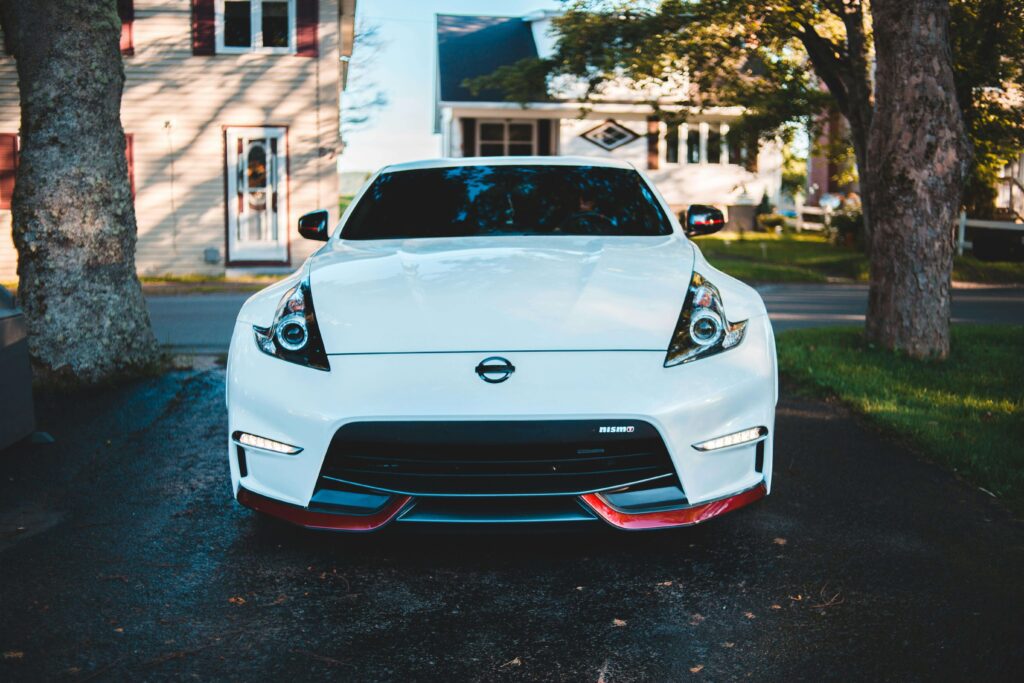
Colour and panel relationships
Paint matching starts before the vehicle enters the booth
A Nissan paint code identifies a family of formulas, not a guaranteed visual match. Age, earlier refinishing, substrate colour and metallic or pearl application can make two panels carrying the same code appear different.
The repair plan should identify a clean reference area, the panels that can be compared, the likely blend boundary and any trim or sensor hardware that needs controlled removal. A spray-out can then test the formula and application before the repaired panel is committed.
- 01Inspect the substrate and previous paint before choosing preparation.
- 02Use colour measurement where suitable, then verify with a spray-out and technician judgement.
- 03Control metallic or pearl orientation through application, flash-off and viewing angle.
- 04Check the result under useful lighting and against the neighbouring panels.
For the full decision sequence, see our guide to the car paint matching and spray-out process.
Model-specific inspection without generic promises
Body shape changes the inspection route
A Patrol, Altima, X-Trail and Pathfinder can reach the workshop with the same visible bumper mark but require different access, part sizes, wheel references, trim removal and paint boundaries. The model matters because it changes the repair context, not because one fixed package fits every Nissan.
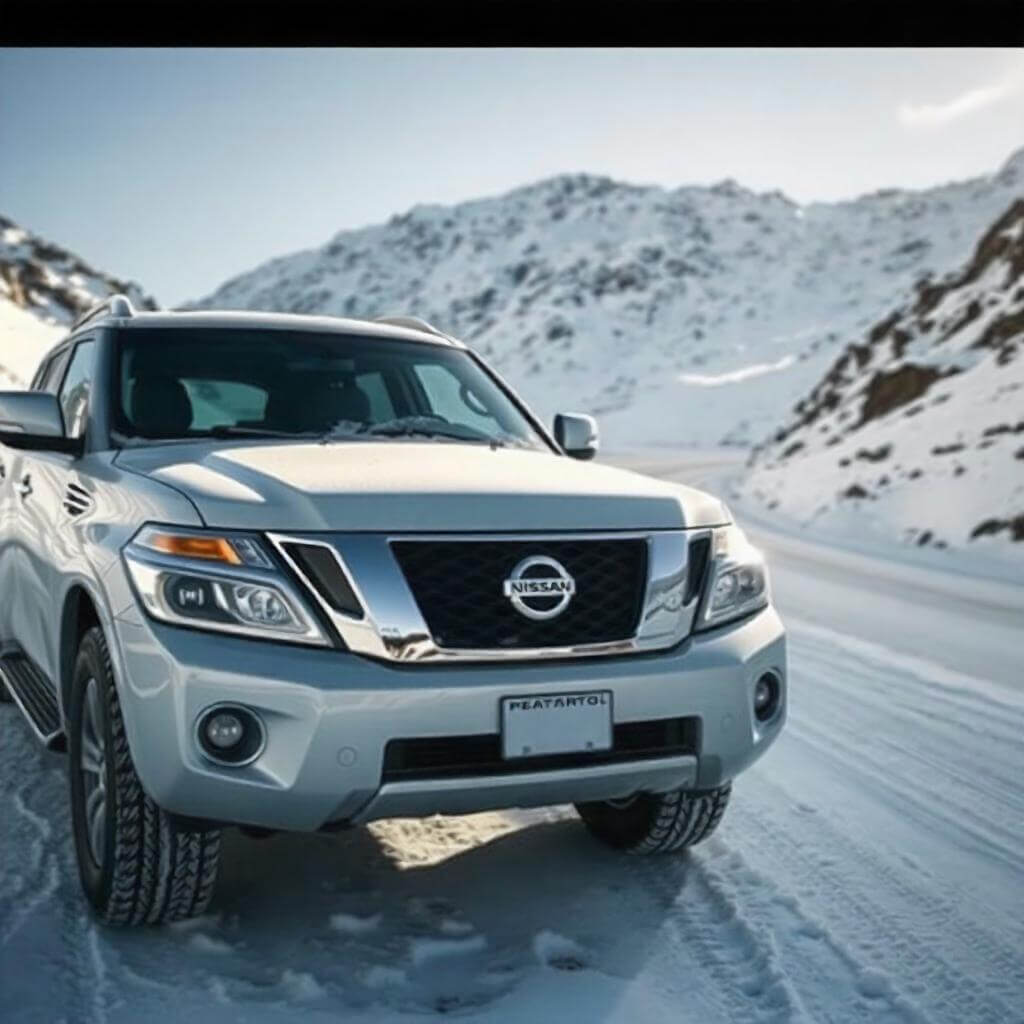
Nissan Patrol
Large bumper assemblies, grille and lamp fit, tailgate and quarter relationships, wheel-corner contact and underbody marks can all change the inspection. Newer grades can also carry extensive parking and driver-assistance hardware, so generation and equipment are confirmed first.
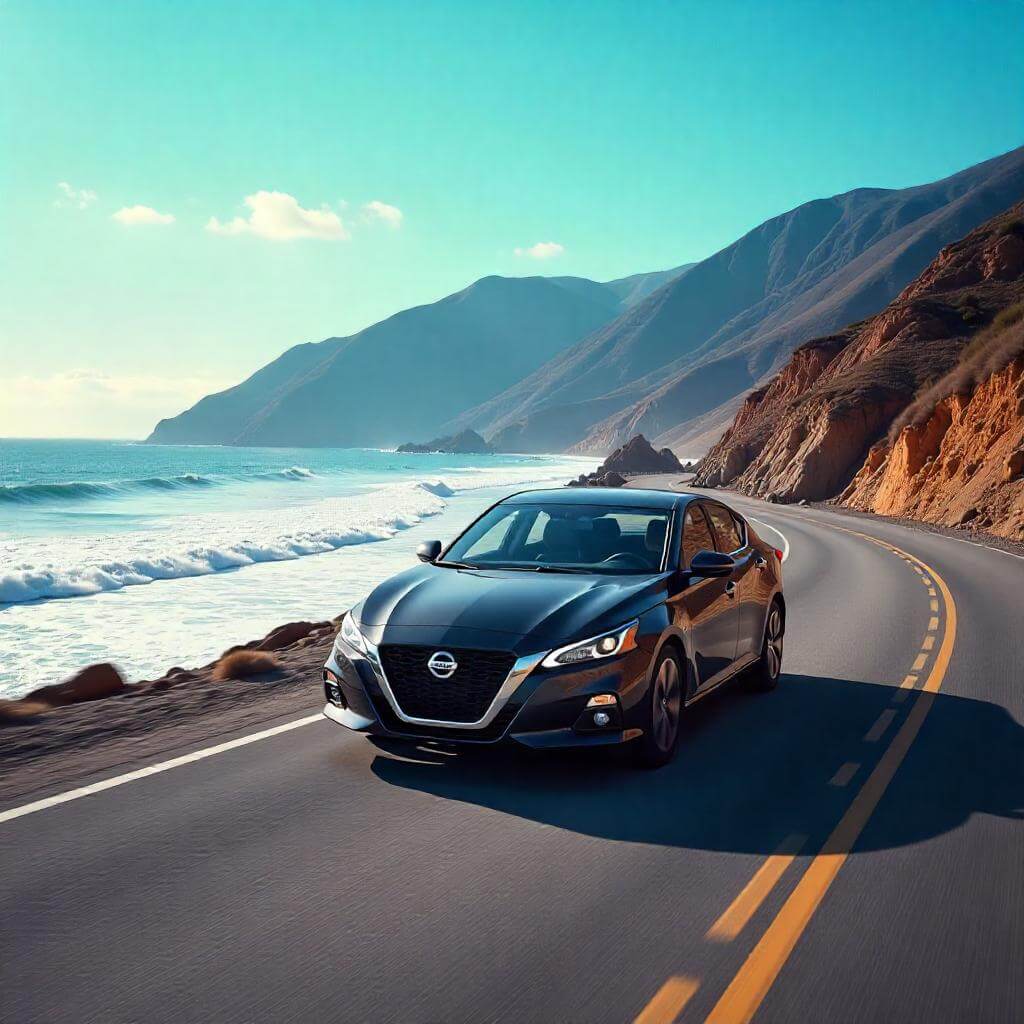
Nissan Altima
Door and quarter reflections, lower bumper fit, grille and lamp mounting, boot gaps and paint blending are common body-repair decisions. On equipped versions, blind-spot or parking hardware adds another post-impact check.
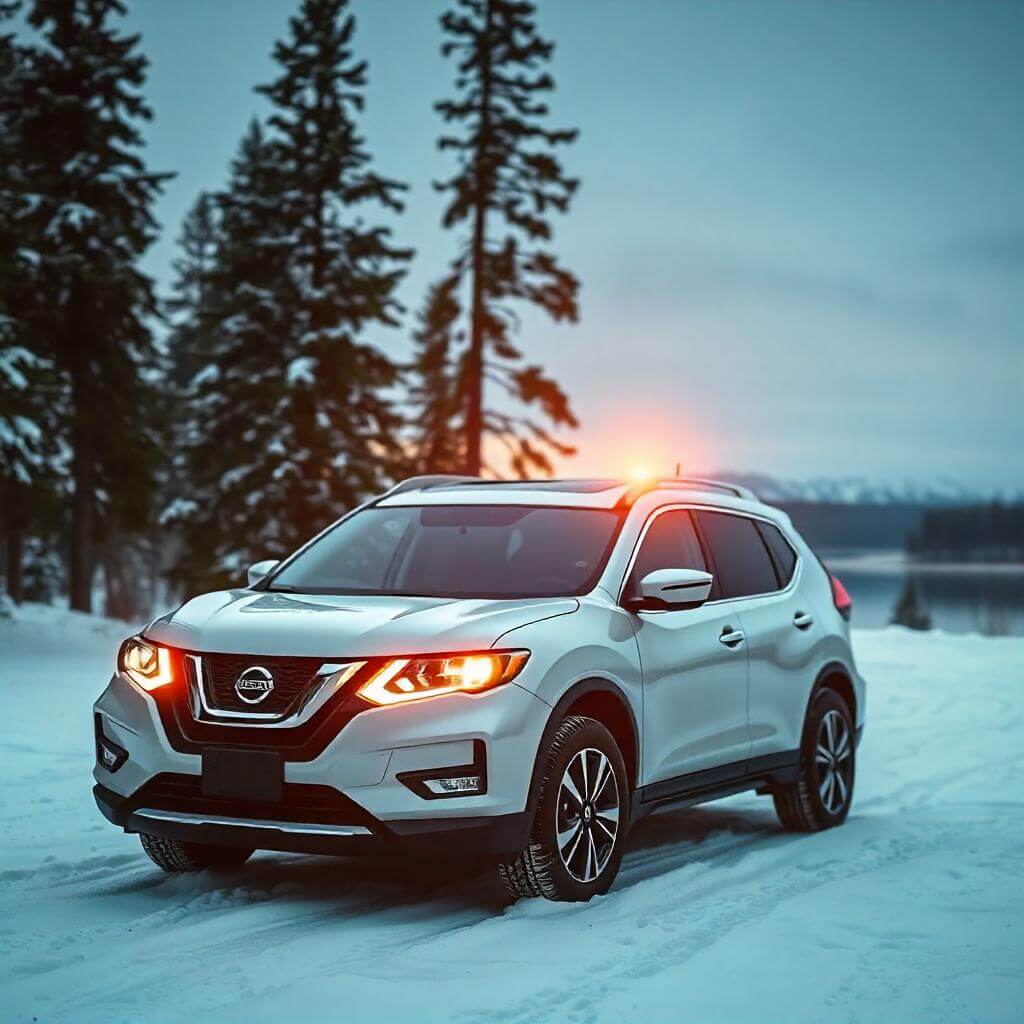
Nissan X-Trail
Front and rear parking hardware, Around View equipment on many current grades, powered tailgate features and close bumper-to-lamp relationships mean a parking impact can create both fit and electronic questions.
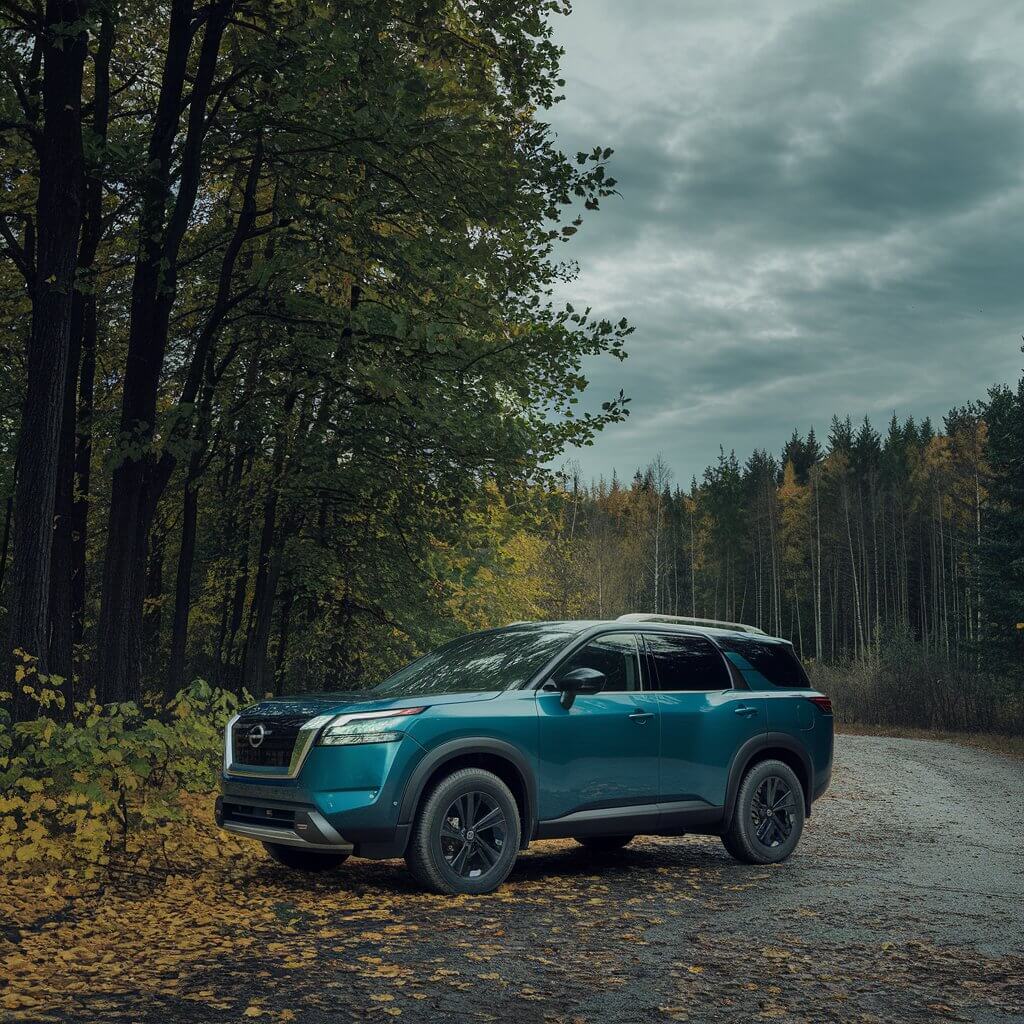
Nissan Pathfinder
Three-row SUV bodywork brings long side panels, a large rear opening and trim-specific front and rear hardware. Equipped versions can add camera and assistance systems that need to remain part of the repair record.
We also assess Nissan Sunny, Sentra, Maxima, Kicks, Magnite, X-Terra, Nissan Z, GT-R and Urvan body damage. Availability of panels, lamps, mouldings and electronic hardware is checked for the exact model, year and specification before the scope is confirmed.
A useful quotation needs a visible scope
What changes the cost of Nissan body repair
Generic overseas price bands do not represent a vehicle-specific Dubai quotation. A meaningful figure follows inspection and separates the operations around the impact.
Photos can help decide whether the next step is an in-person assessment or recovery, but hidden brackets, inner panels, suspension parts and electronic faults may only become visible after access or dismantling.
For a broader comparison of repair layers and cost drivers, use the Dubai accident repair cost guide.
- Impact depth and areas requiring access or dismantling
- Repair, replacement or structural-correction decision
- Steel, high-strength steel, aluminium, plastic or composite components
- Part type, availability, delivery time and approval route
- Paint system, colour variant, panel preparation and blending
- Airbags, seatbelts, warning faults, cameras, radar and calibration needs
- Insurance approval and supplementary damage found after access
No hidden assumptions about parts or approvals
Parts and insurance decisions should be written into the scope
A useful scope does not promise one parts route or insurance outcome for every Nissan. It states the exact part type and claim responsibility for the individual repair.
Which parts will be used
The quotation should identify whether a component will be repaired or replaced and whether the proposed replacement is new genuine, aftermarket, used or reconditioned. Suitability, availability, price, insurer direction and owner approval all matter.
- Do not treat the word genuine as a substitute for an itemised part number and condition.
- Mounting clips, brackets, absorbers, reinforcement and sensor holders may be separate from the visible bumper cover.
- Any alternative should be agreed before installation rather than discovered at handover.
How insurance can change the route
For an insured collision, keep the police report, claim reference, photographs and initial estimate together. The insurer controls policy coverage and approval, while dismantling can reveal supplementary damage that needs documentation before the scope changes.
- Confirm whether the repair is insurer-directed or privately authorised.
- Ask how additional damage will be photographed and approved.
- Review the insurance accident repair process in Dubai before committing to the claim route.
Make the first assessment useful
Send the information that changes the repair decision
Clear photographs can help us prepare the right inspection, but they do not prove hidden structure, suspension geometry or sensor position. A useful first message gives the workshop enough context to decide what must be checked in person.
Send the Nissan damage brief on WhatsApp or call +971 50 233 7180.
- Nissan model and model year
- One wide photograph of the affected side or corner
- Close photographs showing cracks, gaps and paint damage
- Any warning light, changed camera view or parking alert
- Any new steering, braking, vibration, tyre rub or noise
- Insurance or private repair, police report status and vehicle location