
Villa and street-parking repair planning from Jumeirah
Car Body Repair Jumeirah
Car body repair for Jumeirah drivers often begins with a vehicle parked at a villa, school, clinic or roadside bay rather than inside a large commercial tower. That changes the evidence and handover questions. BodyShop.AE plans the move to Al Quoz 4 around street safety, key custody, loose bodywork and whether the incident requires official reporting.
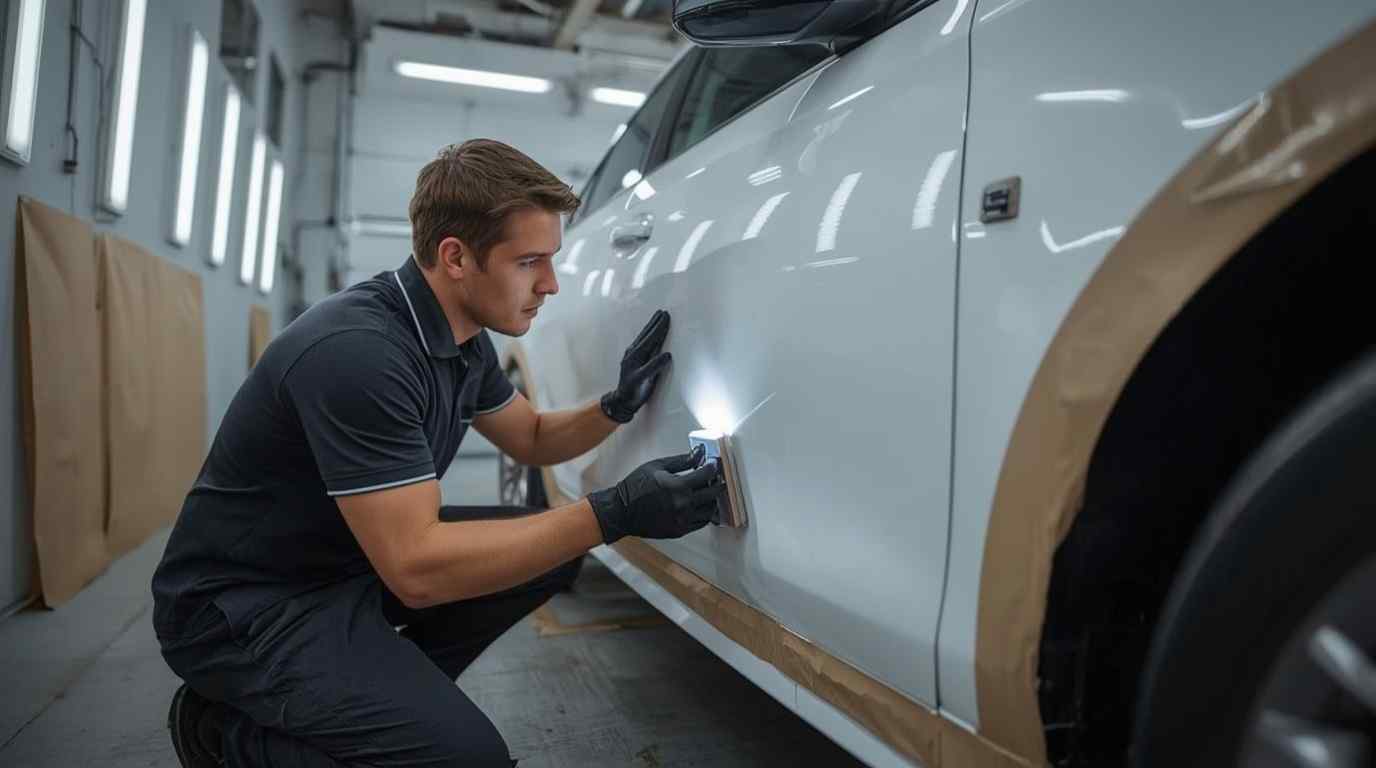
Roadside photographs need safety and context
Do not stand in live traffic to photograph a bumper or wheel. From a safe position, capture the complete elevation, the obstacle or other vehicle when relevant, and close views of damage. Street cleaning, moving traffic and other parked cars can remove context quickly.
For an unknown-party or traffic incident, follow the current Dubai Police process before repair. The workshop can use the report and damage file but cannot decide liability. A villa camera or witness detail may be useful if obtained lawfully and promptly.
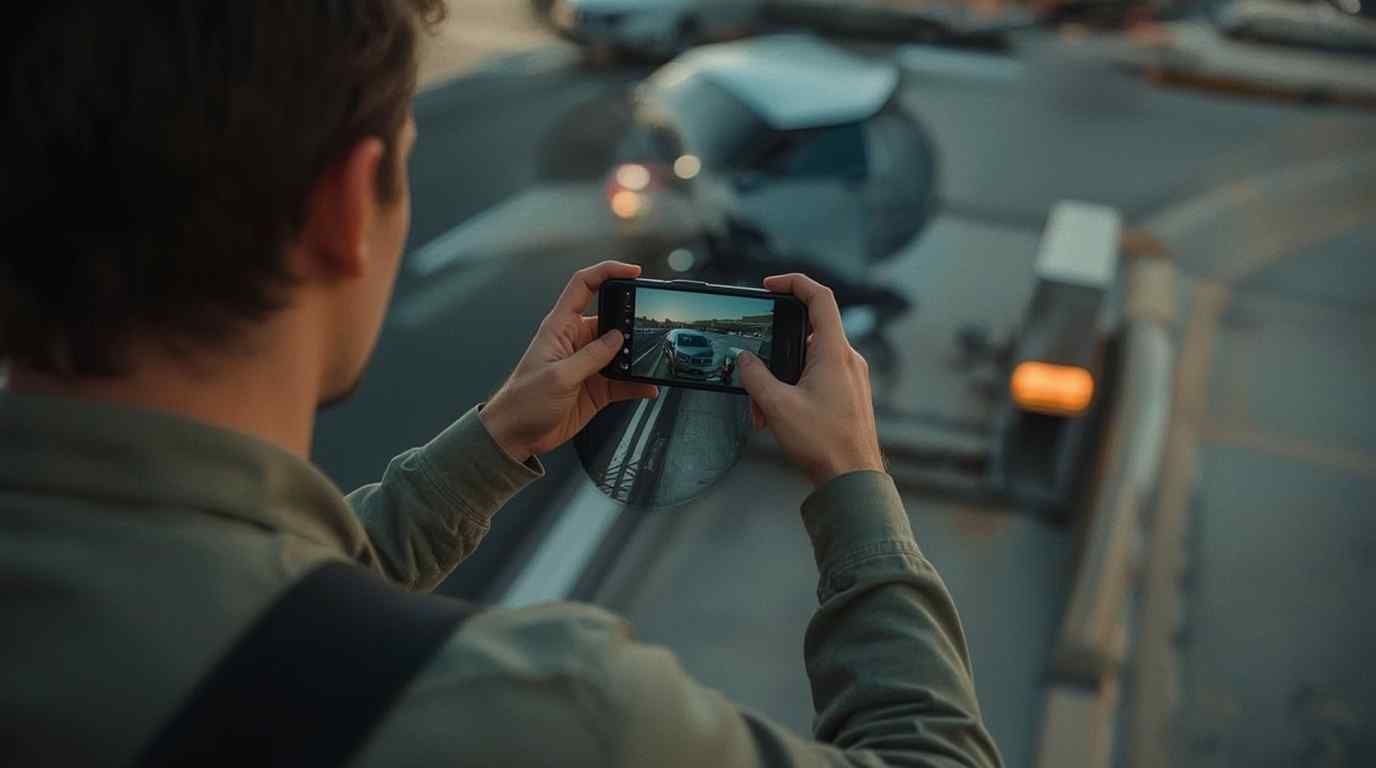
Repair services for street, gate and parking contact
A Jumeirah gate or street contact can cross several materials in one line.
- Start with the full vehicle side or corner
- Follow transfer across paint, plastic, trim, mirror and wheel
- Check the nearest door, tailgate or bonnet opening
- Separate stable coating from exposed metal or cracked plastic
- Choose dent, bumper, paint or accident repair after inspection
Protected finishes and formal custody handovers are covered in the Palm Jumeirah repair plan. For neighbourhood parking access and a practical Al Quoz transfer, compare the Al Barsha body repair route.
The Dubai body repair service owns the technical repair scope after the Jumeirah access and evidence questions are resolved.
Jumeirah roadside triage
Six clues decide whether the car can leave its parking place
The neighbourhood is not a workshop. Avoid roadside dismantling or unsafe testing.
Gate scrapes often continue across several materials
A narrow villa entrance can produce one long mark through plastic mirror housing, painted metal, lower trim and a wheel. Each material needs a different repair and preparation decision. Treating the line as one polishing job can leave broken paint or deformed edges.
The complete side reflection is assessed before dismantling. Doors are opened only when they move normally and do not contact another panel. If a sill, pillar or aperture may have changed, structural screening comes before cosmetic correction.
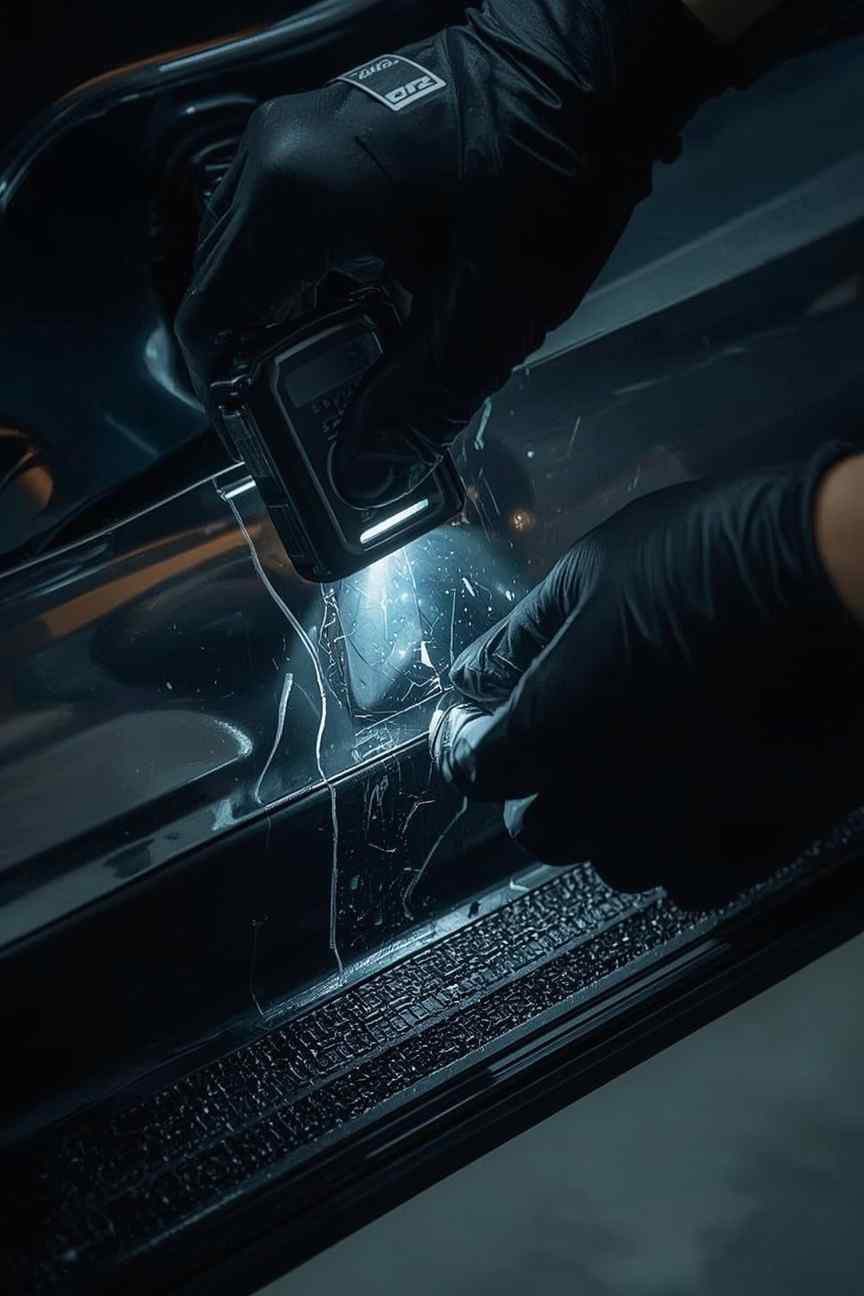
Villa-to-workshop sequence
Six handover decisions without a tower loading bay
Confirm the address
Share gate, street access and a contact who can release the keys.
Preserve the incident
Complete reporting and photograph the original position where required.
Remove valuables
Clear personal items from the repair area and luggage space.
Check the vehicle
Treat wheel, fluid, closure and restraint clues as movement limits.
Coordinate receiving
Choose a workshop arrival that allows a complete intake record.
Return with proof
Review the repaired field before the vehicle changes custody again.
Outdoor colour judgement still needs controlled comparison
Strong sun can exaggerate glare and hide side-tone differences. Shade can make metallic finishes look flat. The workshop combines colour measurement, spray-out and several viewing angles beside the car. The paint code is not the finished match.
Older coating, previous repainting, film and polishing history may change the blend route. A repaired panel must agree in hue, effect travel, texture and reflection with its neighbours. No uninspected spot-repair promise is made from a sunny phone image.
Jumeirah repair evidence carousel
What the workshop checks after street-level damage
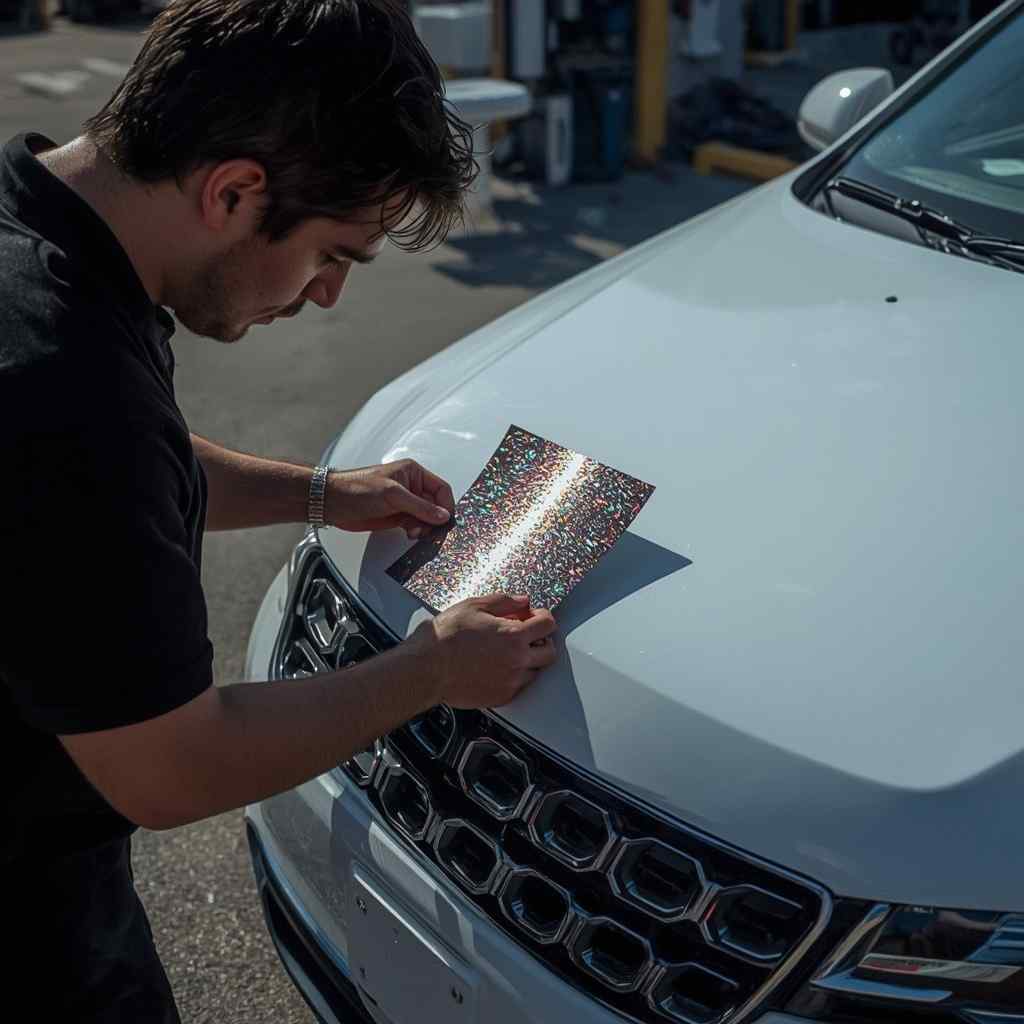
School and clinic parking dents may still affect openings
Low-speed door contact usually stays cosmetic, but an edge-loaded hit can chip paint, distort a flange or change how a closure meets its neighbour. Photograph the entire door gap and the reflection through the dent. Do not repeatedly slam a door that suddenly needs more effort.
Paintless dent repair is considered when original coating, access and metal movement support it. Conventional shaping and refinishing may be safer at a sharp crease or broken edge. The method follows the panel, not a package sold by dent count.
SUV rear contact needs an opening check
A bumper can spring outward after contact while side guides, lamp pockets or the tailgate opening remain disturbed. Compare both rear corners and observe powered movement only when normal. Repeated cycling through resistance can worsen a hinge, spindle or trim problem.
Interior access follows impact direction. The luggage floor is not stripped without a question, and one loose trim piece is not called structural damage. Findings and repair decisions are photographed before the vehicle is closed for paint.
Return to Jumeirah with repair-specific aftercare
Collection guidance names the coating, adhesive, film and refitted parts involved. Washing pressure, chemical contact and early handling depend on the system used. A universal waiting period can be too short for one repair and unnecessary for another.
At the villa or street bay, record the vehicle after delivery if custody changes. If a gap, warning, noise or finish concern appears, photograph it before further parking contact or cleaning changes the evidence. Clear follow-up protects the repair history.
Outdoor storage makes exposed metal a timely repair issue
A deep chip or scratch that reaches metal should not be ignored while the car remains outdoors. Dust, washing and moisture can reach the damaged edge. That does not mean every mark requires a full-panel repaint, but the substrate, depth and surrounding coating should be assessed before corrosion expands the preparation area.
Touch-up, spot work, panel refinishing and replacement serve different damage. BodyShop.AE identifies the limit from inspection and does not sell a universal scratch package. Temporary cosmetic products should not be applied if they would contaminate a professional repair surface.
Villa washing can remove paint-transfer evidence
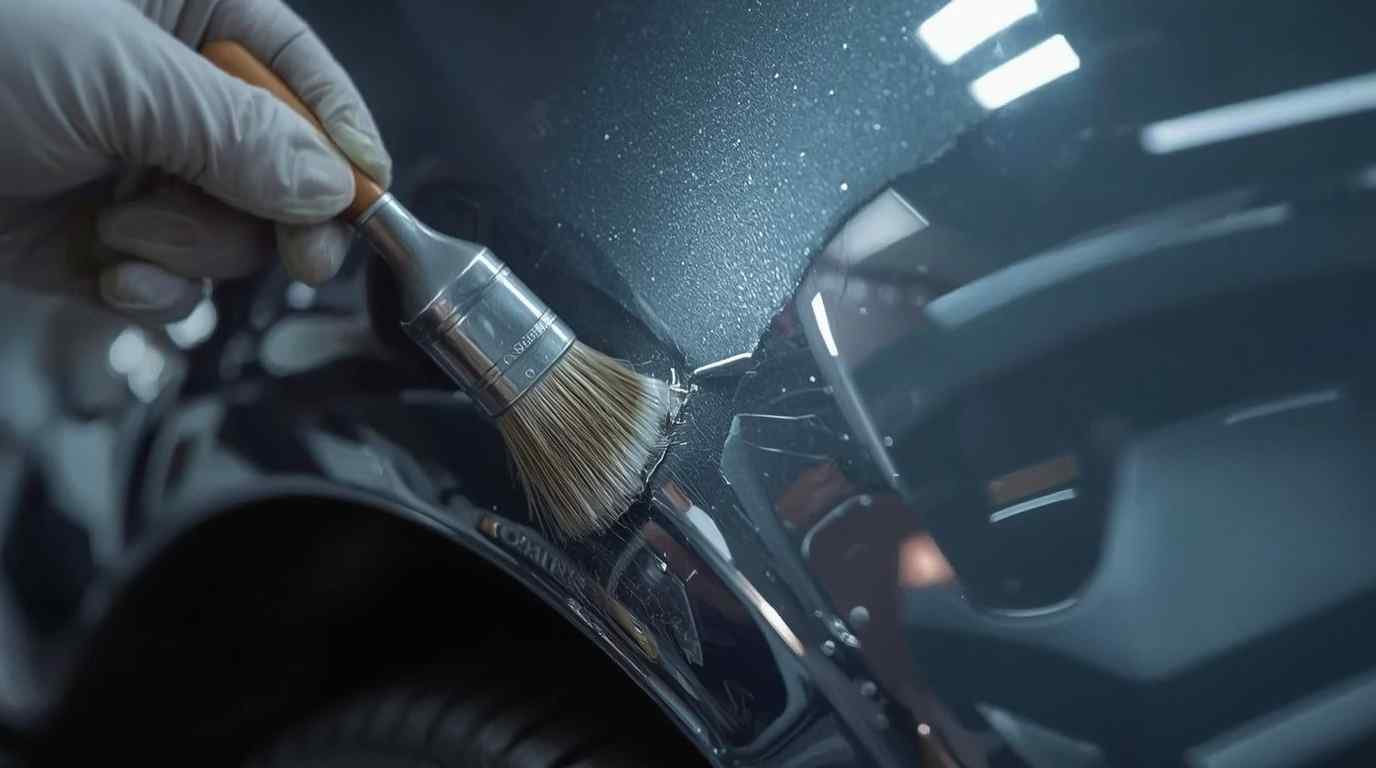
Transferred wall or vehicle paint may help show contact direction and which marks are superficial. Avoid aggressive compound, solvent or pressure washing before assessment. A light transfer can sometimes be removed without repainting, while a similar-looking line may hide broken clear coat, base coat or substrate damage.
Photograph the mark in neutral shade and at an angle that shows the surface. The workshop tests and cleans in a controlled sequence, stopping when the coating boundary becomes clear. This protects original paint from unnecessary abrasion.
Convertible and frameless-door cars need a seal boundary
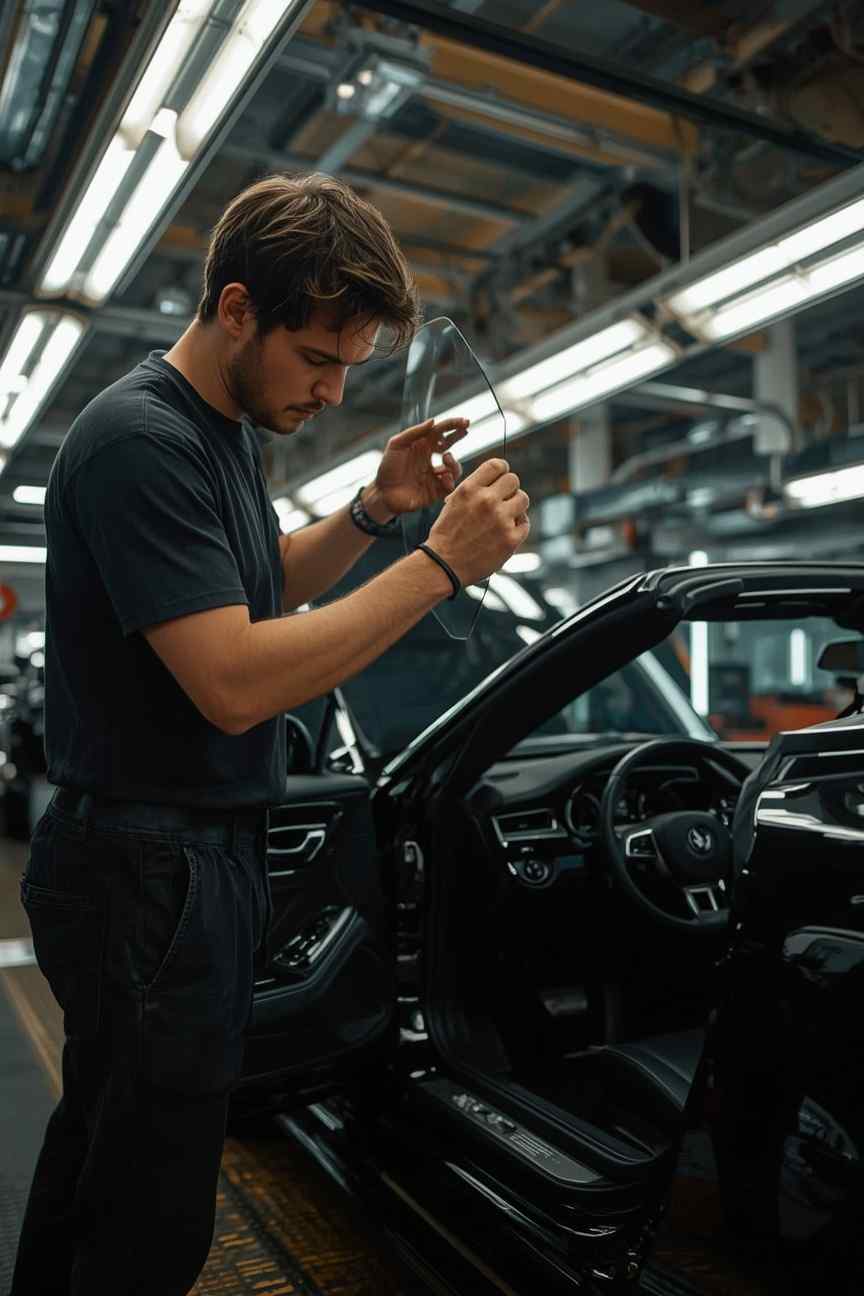
Jumeirah households may bring convertibles or coupes with frameless glass. A door or quarter impact can affect glass indexing, roof interfaces and water management. The roof is not repeatedly operated when resistance, noise or gap changes appear. Seals and drains are documented before adjustment.
Exterior panel work, bonded glass, roof mechanisms and electronic initialisation are separated in the scope. A leak is not hidden with extra sealant before its route is known. Final checks cover the opening as well as the visible paint.
The final villa handover should protect the repaired edge
Before delivery, aftercare is matched to the coating and any adhesive, film or trim refit. The owner can prepare a parking position that avoids immediate hedge, gate or sprinkler contact with the repaired side. These are practical precautions, not a claim that normal use must stop for a universal period.
If the vehicle changes custody to household staff or a driver, the repaired area and restrictions are explained to them. A clear handover reduces accidental early washing or parking contact and gives the workshop one responsible follow-up contact.
Jumeirah enquiries should distinguish a mark from a damage path
A customer may describe a gate scrape, door ding or bumper scratch as one problem even when it crosses several materials. The first reply should request a full elevation, reflection, edge view and nearest wheel or opening. That allows the workshop to separate transferable paint, coating damage, metal deformation, plastic distortion and wheel contact before recommending polishing, dent repair, repainting or deeper inspection.
This distinction reduces unnecessary refinishing and prevents an apparently cheap cosmetic route from ignoring a loaded edge. It also keeps local content honest. The page does not claim every villa or street mark is serious; it teaches the customer which visual relationships matter and why a controlled assessment may preserve more original material than a package selected by scratch length.
Estimate scope is confirmed after the damage path is understood
Photos can support an initial repair estimate, but the written scope should separate visible bodywork from items that still depend on access, parts, paint system, fitted equipment or insurer approval. The customer should know what is included, what remains conditional and which finding would change the quotation before the vehicle leaves Jumeirah.
Start the Jumeirah handover from a safe full view
Send the complete side or corner, wheel, opening, warning lights, exact access point and whether a report or insurance claim is involved.