
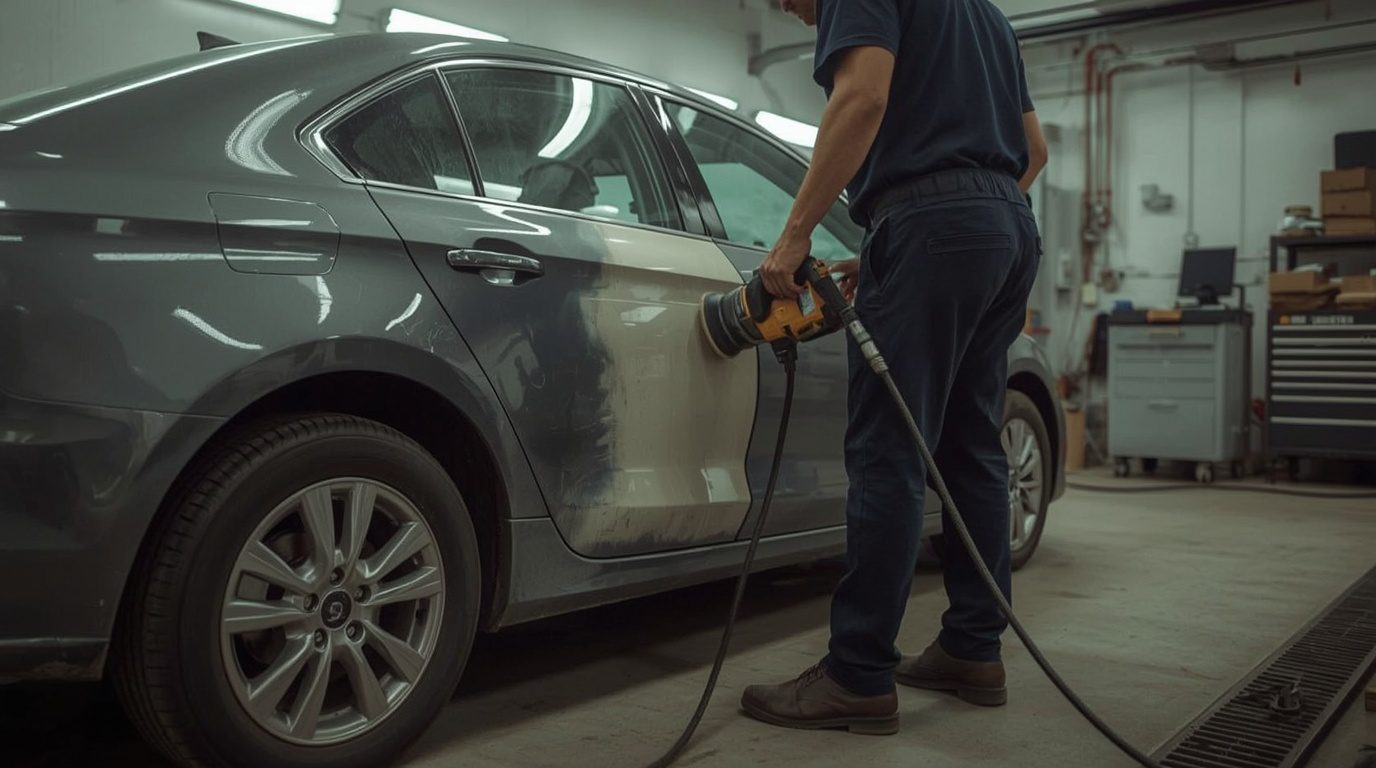
Car Painting Time Dubai
Car painting usually takes several working days for a straightforward panel and one to several weeks for a multi-panel or full-car repaint. The reliable date comes after inspection because body repair, coating stability, dismantling, colour, parts, curing, reassembly and quality correction control the schedule.
Count production stages, not spray-booth hours
The car is not ready when the spray gun stops. Flash-off, curing, cooling, dust correction, polishing where suitable, reassembly and final inspection all happen after application. Starting too quickly can create a later delay when unstable old paint, hidden corrosion or broken trim appears.
Planning range without a false promise
A small local refinish or straightforward single panel may occupy several working days. Several panels commonly move into a week or more. A complete repaint can require multiple weeks when it includes dents, stripping, corrosion, trim removal, colour change boundaries or special parts. These are planning bands, not a quotation or completion guarantee.
The workshop should confirm the target date only after the physical inspection, approved scope and parts position are known. Ask whether the quoted time includes weekends, insurer approval, supplier waiting and final rectification.
Nine stages explain where the time goes
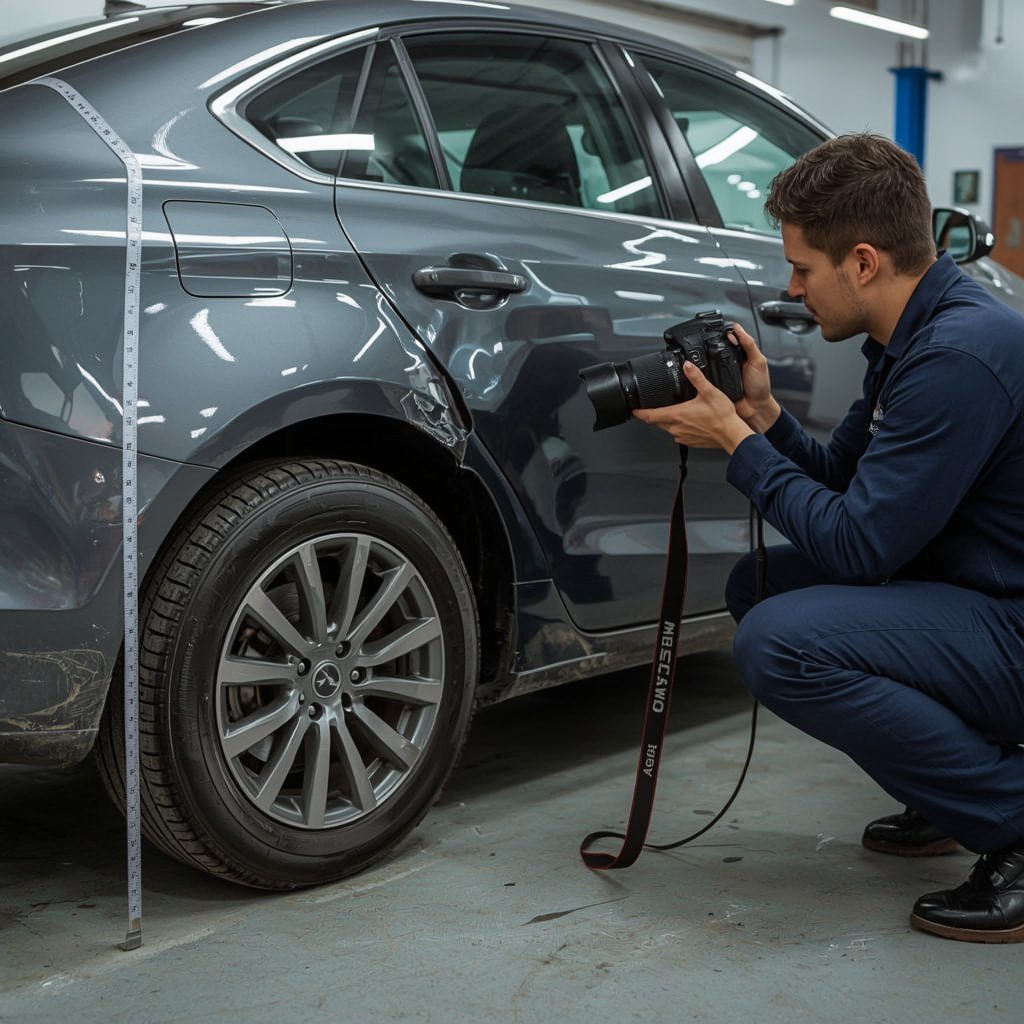
Intake and evidence
Vehicle details, damage, paint history, warning lights, previous repairs and customer expectations are recorded. Photographs protect against later confusion about pre-existing marks.
Schedule control
Complete information and a clear repair route
Inspection and estimate
Technicians inspect dents, scratches, corrosion, coating failure, panel materials, gaps, trim and electronics. Hidden items remain conditional until access.
Schedule control
Inspection access and estimate approval
Dismantling and trial fit
Handles, mouldings, lamps, badges, mirrors, bumpers or seals are removed where the scope requires it. Replacement panels and critical trim are trial-fitted before paint.
Schedule control
Clips, seals and VIN-specific parts
Body repair and substrate work
Dents, tears, corrosion, filler and unstable previous coating are corrected. A good finish cannot be scheduled independently from the shape and layers below it.
Schedule control
Damage depth and previous work
Primer and surfacing
Bare and repaired areas receive compatible preparation, primer or surfacer. Blocking, guide coat and inspection light reveal waves, pinholes and sanding marks before colour.
Schedule control
Film build, drying and rework
Colour verification
Paint code and variant provide a starting formula. Spray-out cards and panel comparison help control solid, metallic, pearl or low-gloss finishes and the need for blending.
Schedule control
Variant availability and sample approval
Masking and application
The vehicle enters controlled cleaning, masking and spray stages. Basecoat, effect layers and clear coat follow product-specific flash times and application conditions.
Schedule control
Booth sequence and paint system
Curing and refinement
The coating cures according to the system before safe handling. Conventional gloss paint may receive limited defect correction after suitable cure. Matte finishes require different handling.
Schedule control
Temperature, cure and finish defects
Reassembly and handover
Removed parts are refitted without chipping edges. Gaps, lights, handles, sensors, seals, openings and disturbed functions are checked. Colour and texture are viewed under useful light.
Schedule control
Final QC, scans and rectification
Different paint jobs should not share one deadline
A limited scratch or small area may reduce dismantling, but matching, edge control and cure still prevent a same-hour assumption. Spot repair suitability depends on location and finish.
A door, bonnet, wing or bumper repaint can involve body correction, trim, primer, colour matching, blending decisions, curing and reassembly. Parts behind a bumper can extend the plan.
A side scrape or collision creates connected repair and colour decisions. More masking, blend planning and quality control are required, and insurer approval can influence start time.
Every exterior panel, dent, old coating, opening boundary and removed part contributes. A colour change with jambs or restoration work is a different project from outer-face refinishing.
For full-scope planning, use the full car repaint Dubai guide. It explains why exterior faces, jambs, apertures, corrosion and trim must be named instead of hidden inside the word full.
Six causes move the completion date
Hidden damage
A removed bumper, moulding or interior trim can reveal cracked brackets, torn mounts, old filler, corrosion or a distorted panel edge. The workshop should photograph the finding and obtain approval before changing scope.
Parts and clips
Paint can wait for a lamp, seal, badge, handle, moulding or one-time fastener because fitting after paint without the correct component can damage fresh edges or leave the vehicle incomplete.
Insurer decisions
Inspection, estimate review, supplements and repair-method approval can delay authorisation. Separate insurance waiting from workshop production when comparing dates.
Colour complexity
Metallic, pearl, tinted clear, matte and special effects can require more samples, layers or wider blend planning. A rushed formula is not a substitute for spray-out verification.
Previous paint
Peeling clear coat, incompatible layers, thick filler and poor old repairs may only reveal their extent during sanding. Stable areas and failed areas can need different preparation.
Quality rectification
Dust, a run, wrong texture, mismatch, pinhole or reassembly chip should be corrected before handover. A workshop that reports the delay is more credible than one that delivers a known defect.
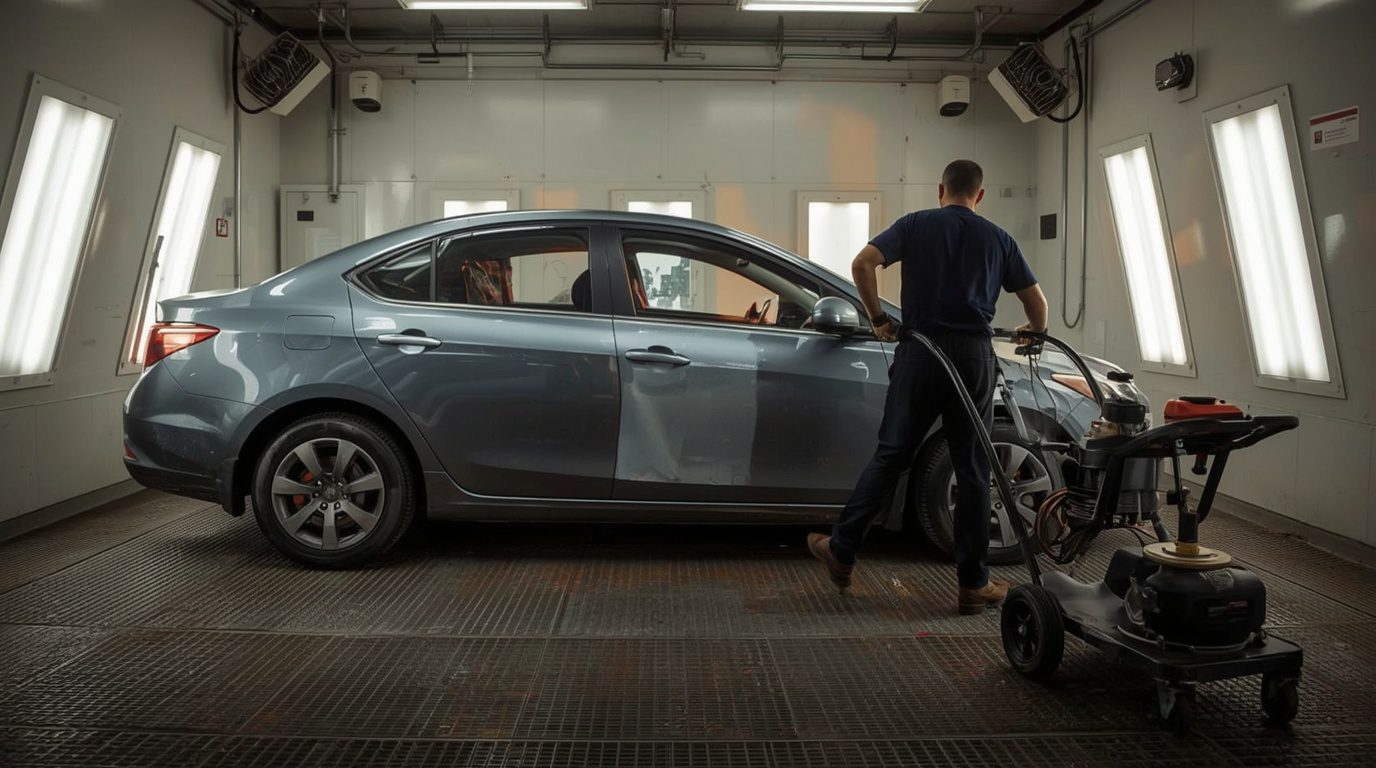
Booth baking does not remove every waiting step
Controlled bake cycles can accelerate specified coating reactions, but the correct temperature and time belong to the paint system and substrate. Plastic components, fillers, adhesives, electronics and mixed materials may have their own limits. The process cannot be shortened by simply increasing heat.
Flash-off between coats lets solvents leave and the layer reach the condition required for the next application. Ignoring it can contribute to solvent entrapment, dieback or other finish problems. Cooling after bake also matters before polishing or reassembly.
Do not choose a workshop only because it promises the shortest time before inspecting the vehicle. Ask what repair, curing, reassembly and quality-control stages are included in that date.
A useful update names the current stage
“In paint” is too vague for a multi-stage job. A good update can say that body correction is complete, primer is curing, colour sample is approved, the vehicle is scheduled for the booth, reassembly is waiting for a clip or final inspection found an item that requires correction.
For insurance work, updates should also distinguish workshop progress from insurer or supplier waiting. When a supplement is submitted after hidden damage appears, the customer should know what was found, whether the vehicle is safe to continue through production and which date remains uncertain.
The car paint spray booth guide explains airflow, cleaning, application, flash-off, curing and finish inspection without presenting the booth as a shortcut around preparation.
Time is complete only when the handover passes
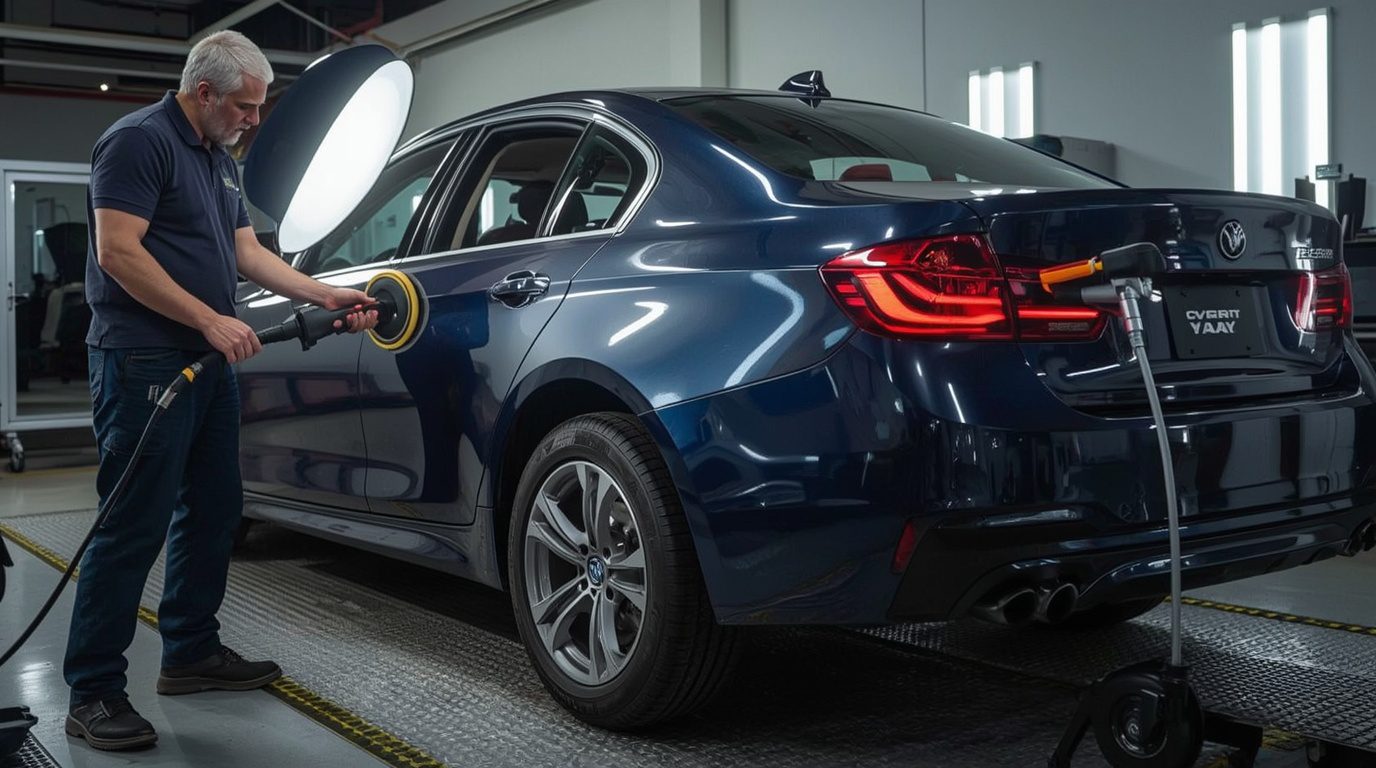
A target date is not a quality standard. At collection, inspect the vehicle clean and dry. Follow reflections across repaired panels, compare colour and effect from several angles and review texture under direct light. Check edges, overspray, disturbed trim and the operation of doors, bonnet, boot, lamps, handles and sensors.
If the paint is not ready for routine washing, polishing, PPF or ceramic coating, the workshop should provide written dates or conditions. The job can be driveable and visually complete while the coating still needs aftercare.
Scope record
Panels, repairs, parts, blends, exclusions and approved variations.
Production record
Major stages, hidden findings, supplier waits and rectification.
Quality record
Colour, texture, edges, overspray, reassembly and diagnostics.
Aftercare record
First wash, polishing, protection and job-specific warranty terms.
Solid, metallic, pearl and matte jobs use different controls
A solid colour can still require variant selection and blending, but it does not carry the same effect-orientation problem as many metallic finishes. Metallic flake position changes with gun distance, overlap, air pressure, reducer, temperature and final control coats. A sample that looks acceptable face-on can change at an angle, so colour approval may add a controlled spray-out stage.
Pearl and tri-coat finishes can use a ground coat, effect layer and clear coat. The number and distribution of effect coats influence the result. Technicians may produce several spray-out variants before choosing the application that relates best to the vehicle. That work is faster than repainting the vehicle after a rushed mismatch.
Matte and satin systems depend on controlled sheen. They cannot normally be polished like conventional gloss clear coat, so dust prevention, application consistency and panel scope become more important. A local blend that would be routine in gloss may be unsuitable in a low-gloss finish.
Custom colours, tinted clears and candy effects can require more layers, ground-colour control and larger repair boundaries. The schedule should include sample approval and enough material from a consistent mix for the planned scope.
Paint time can be waiting on body and electronics work
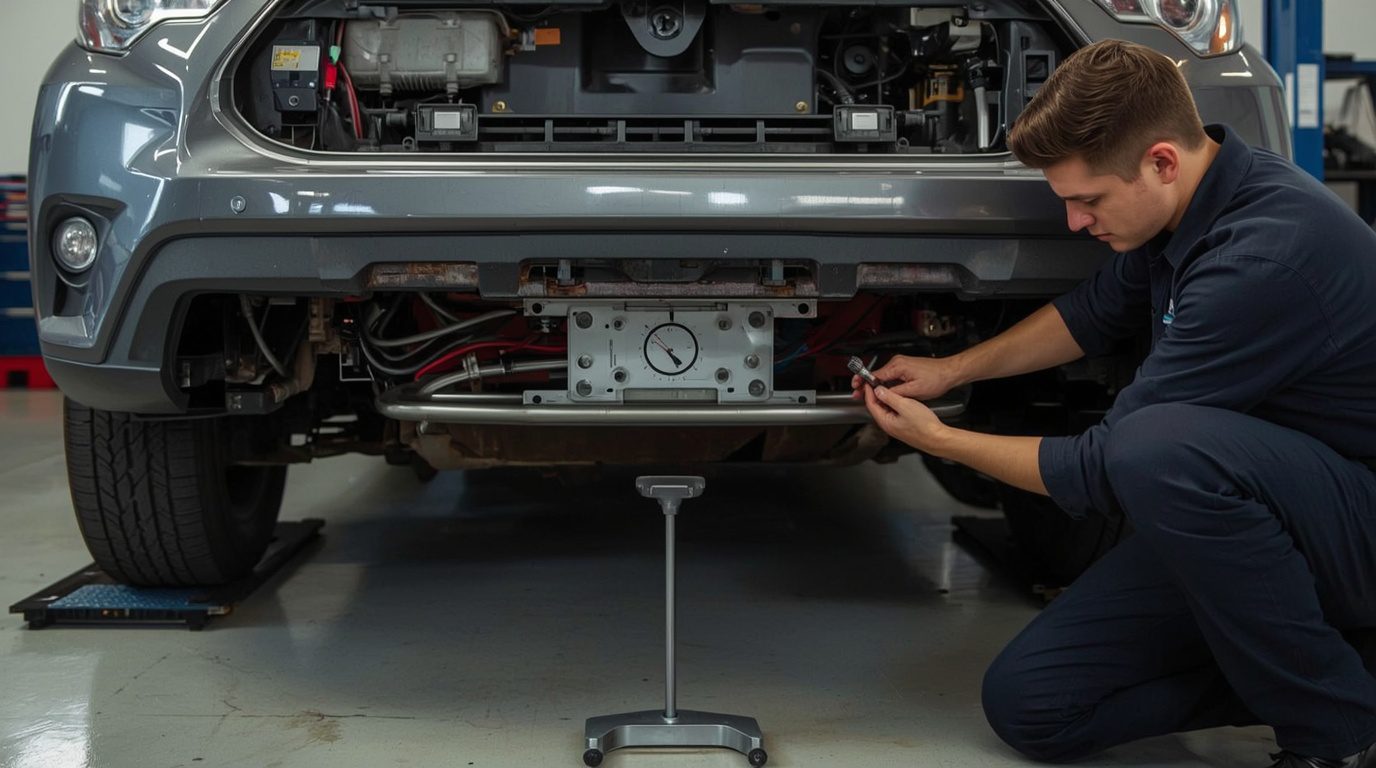
An aluminium bonnet, steel door, plastic bumper and composite trim do not share one preparation process. Bare materials need compatible primers or adhesion promoters. Contamination control and tool separation can add workshop steps before the coating system begins.
A bumper repaint may require removal of grilles, lamps, parking sensors, radar covers or washer equipment. If a bracket is damaged, the cover should not be painted and reassembled around an unresolved functional problem. Parts and calibration can therefore control the real completion date.
Door, bonnet and tailgate work can disturb hinges, latches, wiring, seals and powered functions. Trial fitting before paint protects the final coating from alignment changes. After paint, the same items must be reassembled and tested without chipping fresh edges.
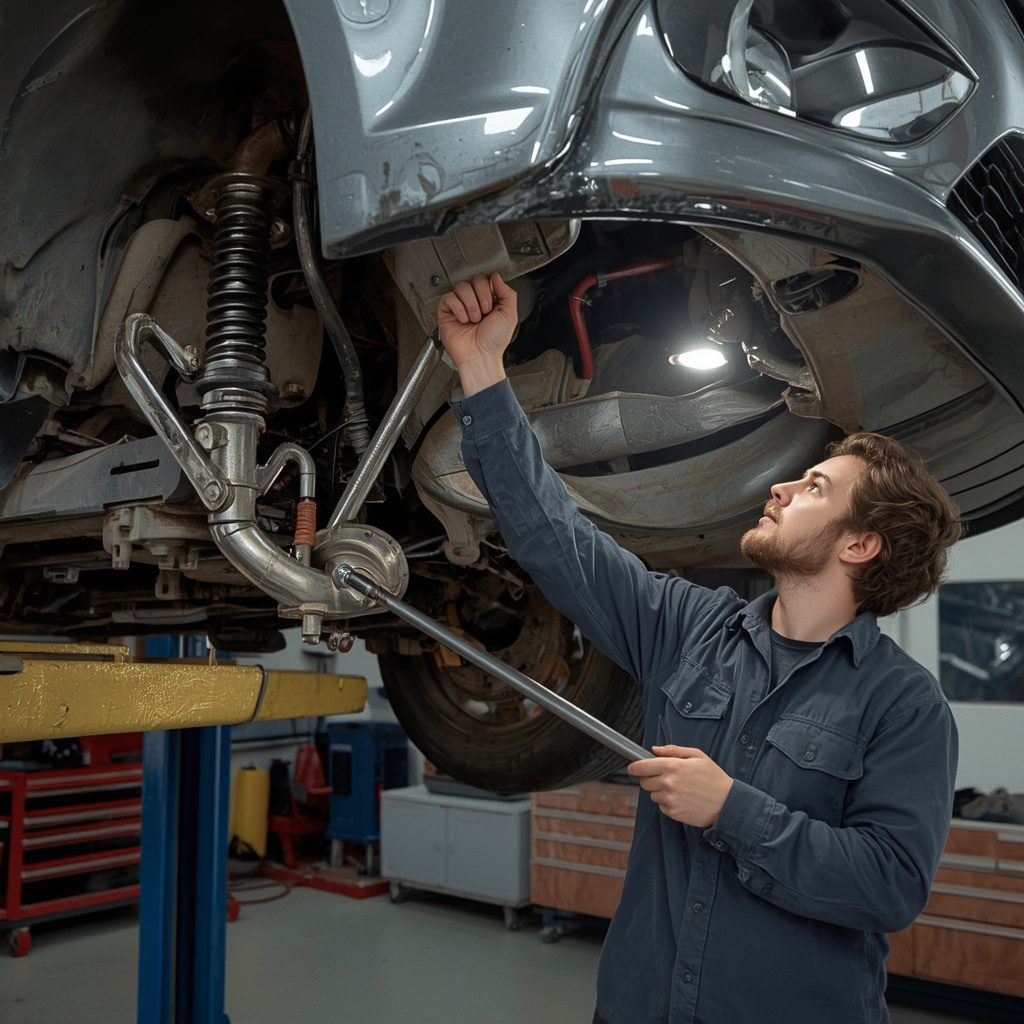
Structural damage, steering changes, suspension concerns or a shifted wheel are not paint-shop delays to work around. They require appropriate measurement and repair before refinishing. The safest sequence can be longer because paint is the final visible layer, not the first repair decision.
Give the estimator the information that protects the date
Send the vehicle make, model, year, colour, damaged panels and several clear photographs. Include one wider view that shows panel relationships and one reflection view along each dent. State whether the vehicle has been repainted before and whether clear coat is peeling, cracking or fading elsewhere.
Report any warning light, sensor message, water entry, opening problem, steering change or fluid leak. For collision damage, provide the police-report and insurance position. Tell the workshop whether you want a cash repair, insurance estimate, same-colour restoration or colour change.
If the date matters because of travel, sale, lease return or inspection, state the real deadline before authorisation. The workshop can explain whether the scope can meet it or whether parts, approvals and curing make it unrealistic. Hiding a fixed deadline encourages a poor plan.
Ask what the stated duration includes
- Has the vehicle received a physical paint and body inspection?
- Are body repairs, corrosion and old paint removal included?
- Which parts will be removed, replaced or ordered?
- Does the scope include colour samples and adjacent-panel blending?
- When does the clock start if insurer approval is pending?
- Are calendar days or working days being quoted?
- Is final polishing or matte inspection included?
- Are scans, calibration, alignment or outsourced work relevant?
- How will hidden damage and estimate variations be approved?
- What happens if final quality control finds a defect?
Collection does not mean every treatment is immediately suitable
Fresh paint can be safe to drive and handle while still following a product-specific cure and aftercare plan. Ask for the earliest approved hand-wash date, the correct wash method and the date or condition for waxing, polishing, ceramic coating or paint protection film.
Do not take the car directly from handover to an automatic brush wash or an unbriefed detailer. Strong chemicals, aggressive polishing and adhesive film can complicate a new coating or remove evidence of a workmanship concern.
Dubai heat increases the need to remove bird droppings, fuel and mineral-rich water safely, but rubbing a hot dusty panel can scratch it. Follow the written guidance and contact the workshop if contamination occurs before the first routine wash is permitted.
The best date contains a decision point
A strong schedule can say that the target is subject to successful dismantling inspection by a named stage, confirmed parts by a named date and no additional insurer supplement. This is more useful than a confident fixed day that ignores dependencies.
When the condition is cleared, the workshop can convert the target into a firmer handover plan. If the condition fails, the customer receives the evidence, revised scope and new date before additional work continues.
The final practical question is simple: what milestone must pass before this completion date becomes reliable? A workshop that can answer it has connected timing to the actual repair process.
Request a stage-based painting estimate
Send the vehicle, damaged panels, desired finish, previous paint concerns, insurer or cash route and clear photos. Ask us to separate production time from parts and approval waiting.