
Car Repaint vs Wrap Dubai
Choose a repaint when the existing coating is failing, body repairs must be integrated, exposed jambs matter or you want a permanent refinished surface. Choose a wrap when the paint beneath is sound and you want a removable colour or graphic change with clearly accepted seams, edges and maintenance limits.
The condition under the colour decides first
Faded roof and peeling clear coat
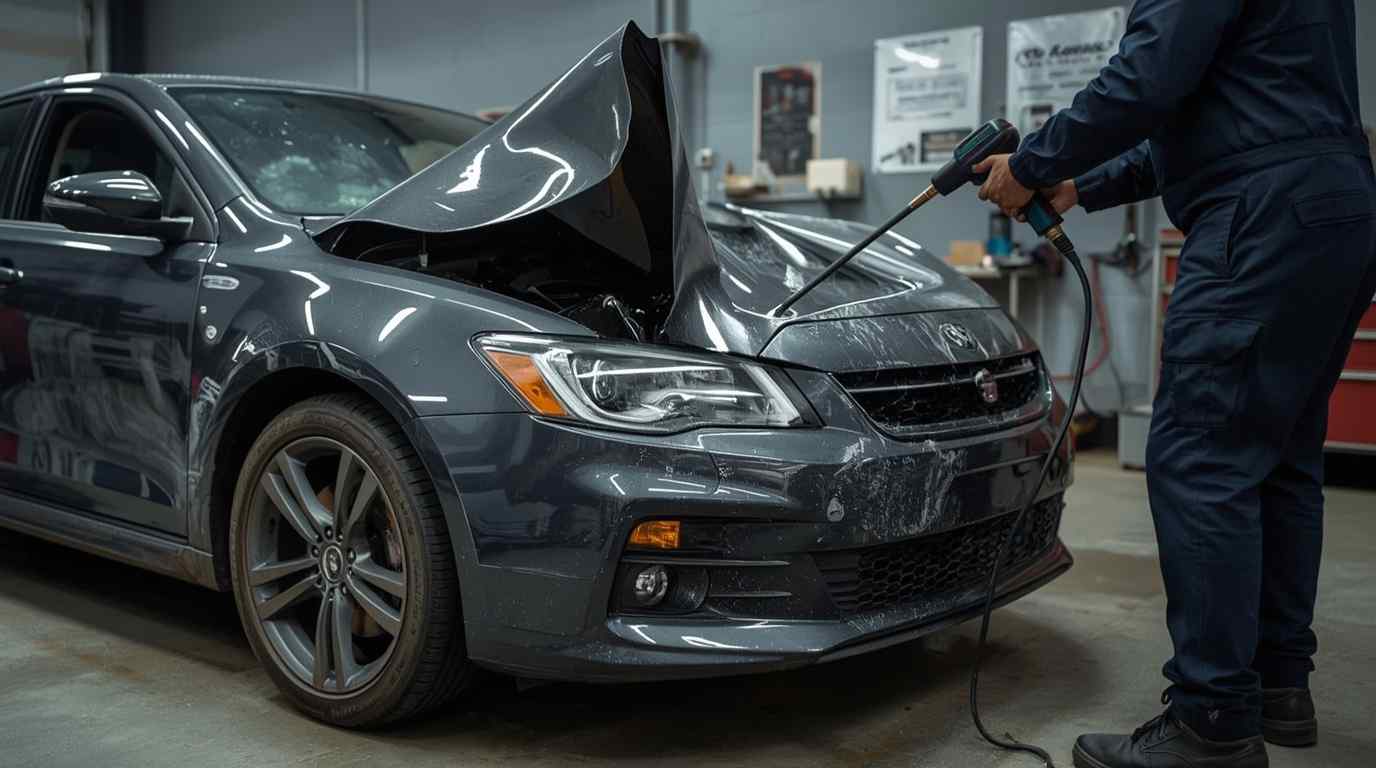
Wrap is not a stable cure for clear-coat failure. The weak coating can continue lifting under the film and may detach during later removal. Inspect the coating, repair the failure and repaint the affected scope.
Sound paint and a temporary colour
Wrap can be appropriate when the body and paint are stable, the desired film is available and the owner accepts visible boundaries, film care and eventual removal. Document every repainted panel first.
Several dents before a colour change
Both routes require body correction. Paint integrates repaired panels into the new coating system. Wrap still needs a smooth, stable surface because vinyl will not conceal poor metal shape or filler edges.
Restoration with door openings visible
An extended repaint is usually the coherent route when jambs, returns and apertures must share the new colour. The estimate must name exactly which openings, labels, hinges and hidden boundaries are included.
Commercial graphics or branding
Printed film can apply and later replace campaign graphics without permanently painting them into the vehicle. Artwork, colour proof, panel joins, legal visibility and removal planning should be approved before production.
Premium factory paint worth preserving
A transparent protection film or selected wrap may protect sound original paint, but inspection and paint-history records remain important. A colour wrap should not be sold as proof that the underlying finish stays untouched in every case.
The vehicle looks different open than closed
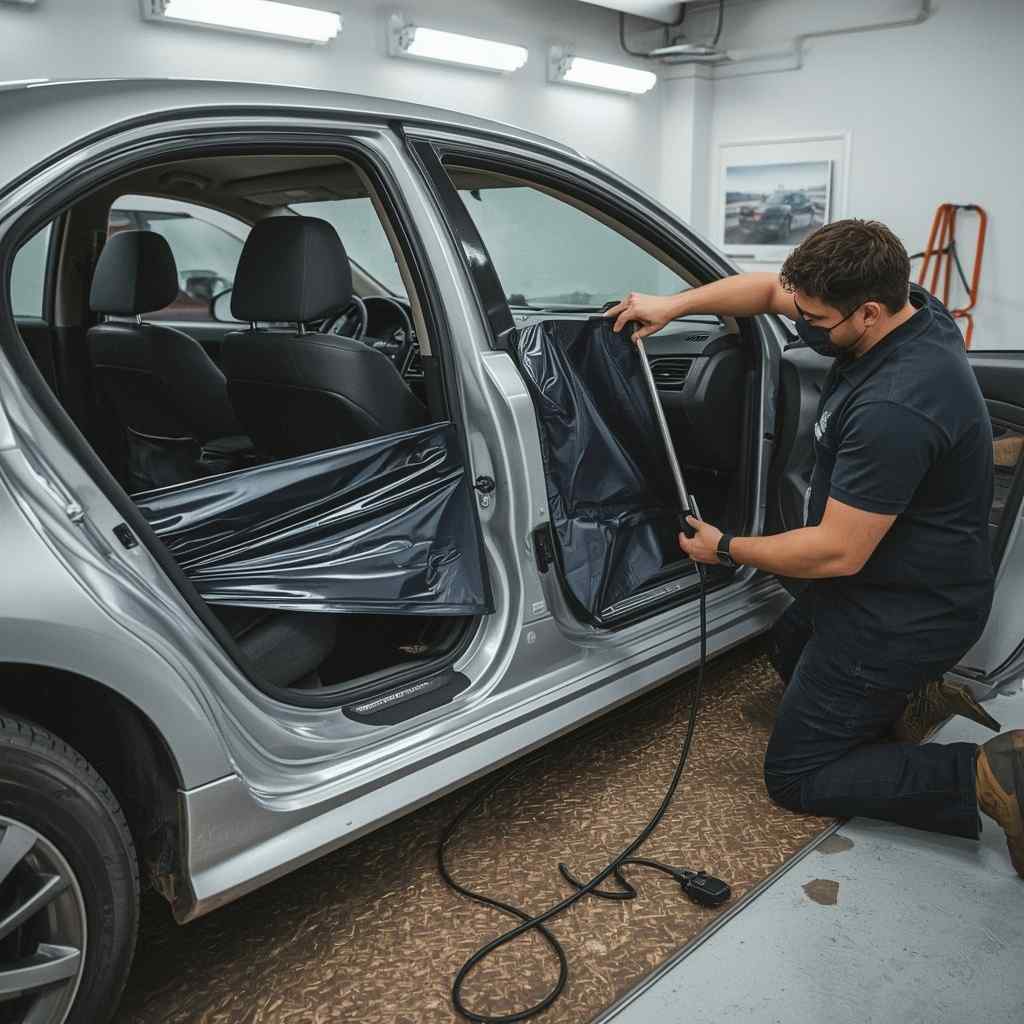
A full exterior repaint can cover visible faces while leaving original colour in door jambs, bonnet returns, tailgate openings or the engine bay. That can be a valid outer-face scope when disclosed. It becomes misleading when the words full repaint are used without naming the boundary.
Extending paint into openings adds dismantling around hinges, latches, wiring, seals, labels and trim. Some identification and safety labels must remain readable. Each area should be included, excluded or treated conditionally before work begins.
Wrap has its own boundaries. Film can be tucked or wrapped around many edges, but deep channels, rough surfaces, tight returns, sensors, badges, rubber seals and complex curves may need seams or visible stops. Excessive stretch at a difficult edge can create lifting later.
Ask to see the planned edge map. It should show bonnet, roof, pillars, mirrors, handles, bumpers, wheel arches, fuel flap, door edges, jamb visibility and any part that will not be wrapped.
Paint edge question
Will the old colour remain visible when each opening is used?
Wrap seam question
Where will film join, terminate or require a relief cut?
Disassembly question
Which handles, badges, lamps, mouldings and trims will be removed instead of cut around?
Reassembly question
How will clips, seals, sensors and fresh edges be protected and tested?
Four cost layers prevent false comparisons
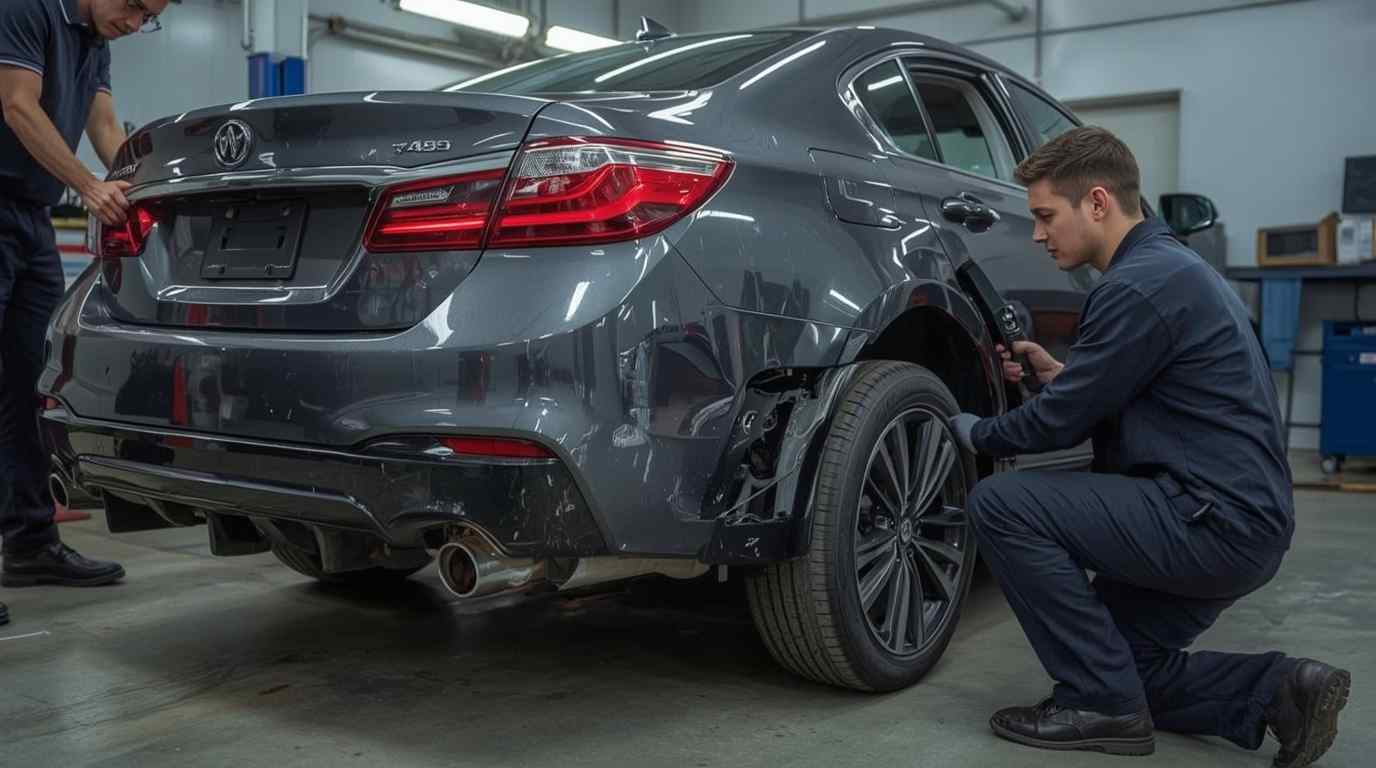
Dents, scratches, corrosion, paint failure and previous repairs must be identified for either route.
Trim removal, cleaning, masking, edge work, clips, seals and reassembly differ by scope and vehicle.
Paint materials, effect layers and curing differ from film grade, printing, lamination and installation labour.
Local repair, film replacement, removal, colour match and warranty exclusions affect ownership after handover.
A cheap wrap over failing paint can become an expensive removal and repaint. A cheap repaint can omit corrosion correction, trim removal or jambs. Compare written inclusions, exclusions and finish boundaries, not headline prices. For complete refinish booking, see car painting in Dubai. For a full exterior scope, use the full car repaint guide.
Myth versus fact
Myth A wrap always protects the resale value because it peels off harmlessly.
Fact Removal outcome depends on the paint under it, previous refinishing, film age, exposure and technique. Sound original paint can behave differently from weak clear coat or an incompletely cured repaint. Record substrate condition and removal terms before installation.
Wash and repair rules differ after handover
Fresh paint follows the refinisher’s curing and first-wash guidance. Film follows the installer’s edge-settling and product-care instructions. Neither should be sent through an aggressive automatic brush wash immediately after delivery.
Pressure jets should not be directed into film edges. Strong solvents, abrasive compounds and harsh tar removers can damage film or fresh paint. Bird droppings, fuel, tree sap and mineral-rich water should be handled promptly with the approved gentle method because heat can increase staining.
Matte paint and matte film need particularly clear care instructions. Polishing a matte surface can create glossy patches. A local damaged section may not match an aged surrounding finish exactly, so future repair strategy should be discussed before choosing the original route.
Confirm current colour-change requirements before work
A permanent or visible vehicle colour change can involve current registration, inspection, insurer or authority requirements. These processes can change and may differ according to the vehicle and type of change. Do not rely on an old social post or assume that removable film removes every administrative obligation.
Before approving paint or wrap, confirm the current route with the relevant Dubai and UAE authority and notify the insurer where required. The invoice should identify the finished colour and whether the work is paint, removable film or a combination.
Bodyshop.ae can explain the body and paint condition, while the vehicle owner remains responsible for completing official requirements that apply to registration and insurance.
Preparation is not the same for paint and film
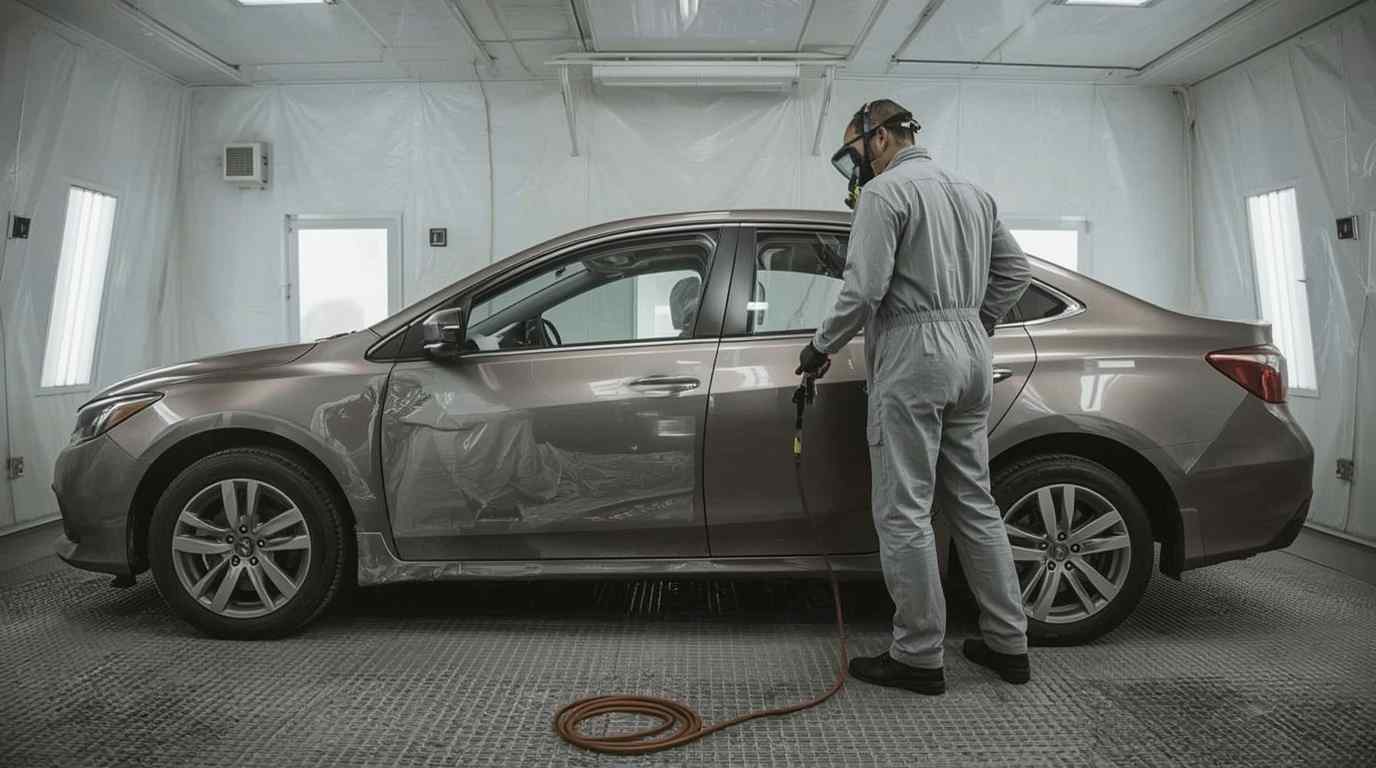
Repainting deliberately abrades and prepares the existing coating to create adhesion for primer, colour and clear coat. The depth of preparation depends on whether the old finish is stable, scratched, peeling, cracked, contaminated or hiding thick previous repair layers. Bare steel, aluminium, plastic and existing coating can each require a different compatible foundation.
Wrapping starts from a surface that must already be stable and smooth. Cleaning removes wax, silicone, road film and polish residue without weakening the paint. Aggressive sanding marks or filler must be finished before film. A wrap installer may remove handles, lamps, badges and mouldings for cleaner edges, but should not discover an unresolved body repair after the colour-change appointment begins.
Fresh repainting introduces a waiting decision. The coating must reach the condition accepted by the paint system, body shop and film installer before adhesive is applied. Use the PPF after repaint readiness guide for the same layer-based logic that applies to colour film over repaired paint.
Existing ceramic coating, wax or sealant can also interfere with film preparation. Tell the installer what has been applied and when. Do not attempt to strip it with unknown chemicals immediately before the job.
Inspect appearance and function before leaving
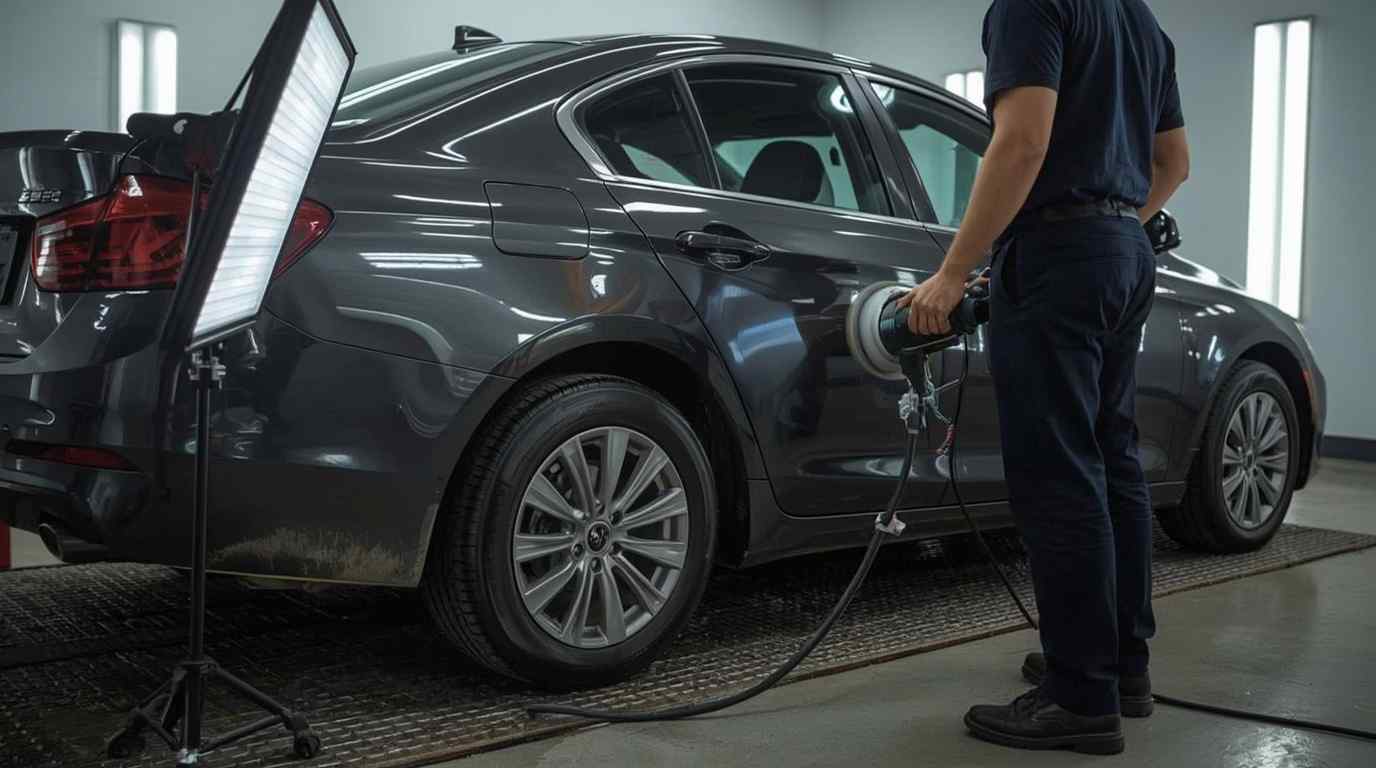
For paint, check colour relationship, effect orientation, gloss or approved sheen, texture, dust correction, edges, overspray and the operation of disturbed parts. For wrap, check panel coverage, seams, relief cuts, recesses, edge seating, trapped contamination and whether sensors, handles, lamps, seals and drainage paths remain clear.
View both finishes at more than one distance. A close inspection finds contamination and edge defects. A longer reflection reveals panel shape, texture changes and colour flow across the side of the vehicle. Matte surfaces should be checked for unwanted glossy marks without polishing them.
Keep photographs before and after the finish change. The invoice should list panels, repairs, removed components, finish product, excluded apertures, warranty terms and aftercare. A wrap invoice should also identify film brand or specification, printed or colour product, coverage map and planned removal conditions.
Report lifting, bubbles, paint chips, stains, cracks or opening problems promptly. Do not cut a film edge, polish matte paint or apply another coating before the original provider records the concern.
Car repaint and wrap questions
Can wrap hide scratches and dents?
It can visually reduce some tiny surface variation, but it does not repair damage. Deep scratches, chips, dents, rust, peeling clear coat and raised repair edges should be corrected before wrapping.
Is repaint better for a colour change?
It is better when you want a permanent finish, need to repair or stabilise the substrate, or want selected jambs and apertures included. Wrap can be better for a removable appearance change over sound paint.
Can a repainted car be wrapped later?
Yes, after the refinish system is sufficiently cured, the finish is accepted and the installer approves the substrate. The body shop and installer should agree on timing and removal risk.
Which option is faster?
Wrap can require less coating preparation when paint is already sound. Repaint can take longer because repair, preparation, spray, curing and reassembly are linked. Actual timing depends on scope, parts and rectification.
Compare repaint and wrap on your actual vehicle
Send full exterior photos, close views of defects, current colour, desired finish, repaint history and how long you want the change to last. We will identify which substrate questions must be answered first.