
Alloy wheel colour and surface refinishing in Al Quoz 4
Rim Painting in Dubai
Kerb rash, peeling lacquer, faded colour and an unwanted wheel finish are not all the same job. We identify the existing finish and check for bends, cracks, air loss or vibration before deciding whether repainting is the correct route.
Rim painting is a cosmetic refinishing service. If a wheel is bent, cracked, losing air or causing vibration, the wheel condition has to be assessed before cosmetic work is approved.
The first decision is not the colour
First decide whether this is a paint problem
Many wheel complaints start with a visible mark, but the correct route depends on what changed. Surface rash and failed coating belong to refinishing. A wheel that is out of round, visibly cracked or repeatedly losing pressure belongs to a different inspection before paint is discussed.
This separation prevents a fresh finish from hiding a condition that still needs attention.
If the wheel has a crack, a significant bend, new vibration, tyre bead concern or unexplained air loss, stop the cosmetic decision and arrange a wheel and tyre assessment first.
Painted wheel with kerb rash
Scuffs, chips and shallow cosmetic marks can often be prepared and refinished when the wheel itself is otherwise serviceable.
Solid colour change
Gloss, satin, matte, metallic and other solid-colour looks require a full preparation plan so the set remains consistent across faces, spokes and edges.
Machined or diamond cut face
A bright face with fine machining lines is not the same as an opaque painted wheel. A paint-only repair changes the original visual construction unless a deliberate finish conversion is agreed.
Bend, crack, vibration or air loss
These symptoms can involve wheel or tyre condition rather than appearance. Cosmetic painting should wait until the cause and safe next step are known.
Identify the factory finish before choosing the method
The existing finish changes the correct restoration route
Wheel painting is often used as one broad phrase, but painted, custom-colour and machined-face wheels are different jobs. The finish should be identified before sanding or coating begins because the preparation, appearance and restoration limits are not the same.
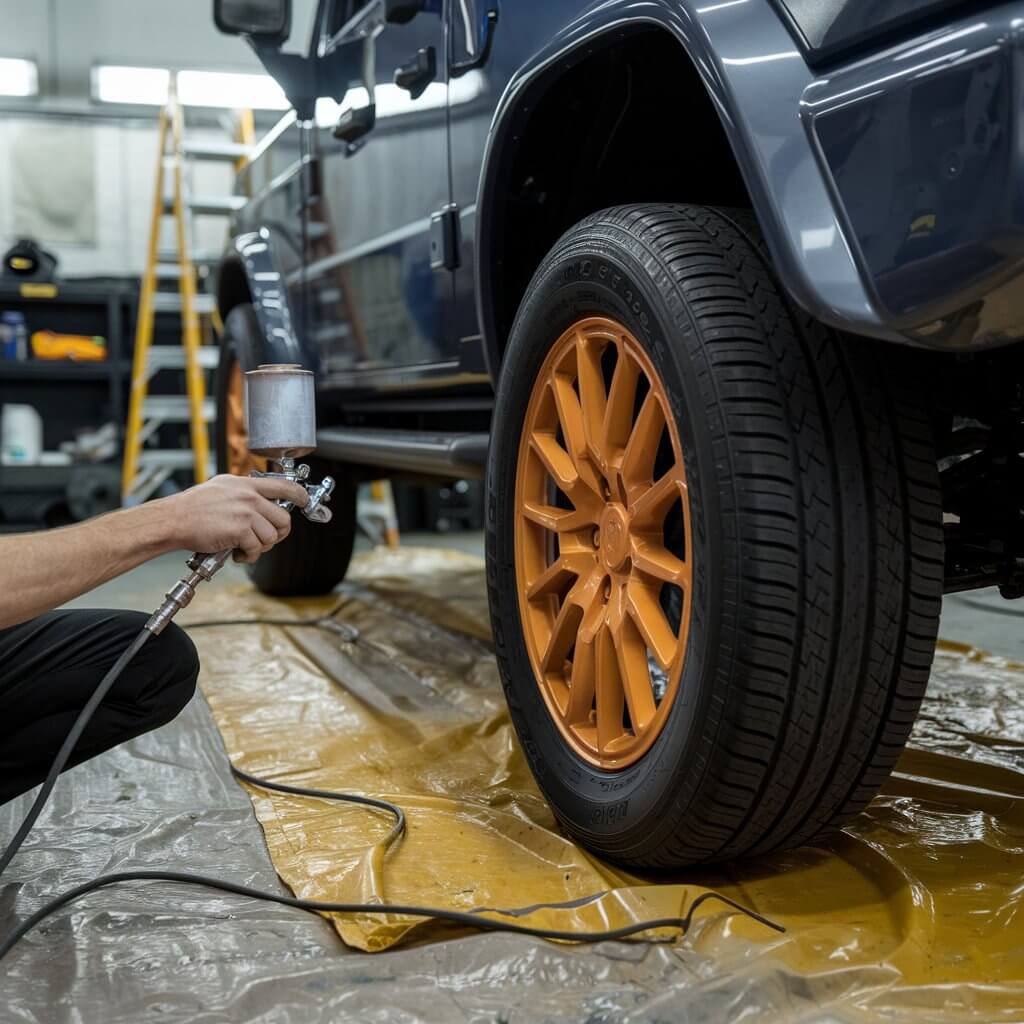
Restore the original wheel colour
For an opaque painted wheel with cosmetic damage, the job can include cleaning, controlled sanding, local surface correction, primer where required, colour and clear coat. The extent of preparation depends on whether the existing coating is sound or already peeling.
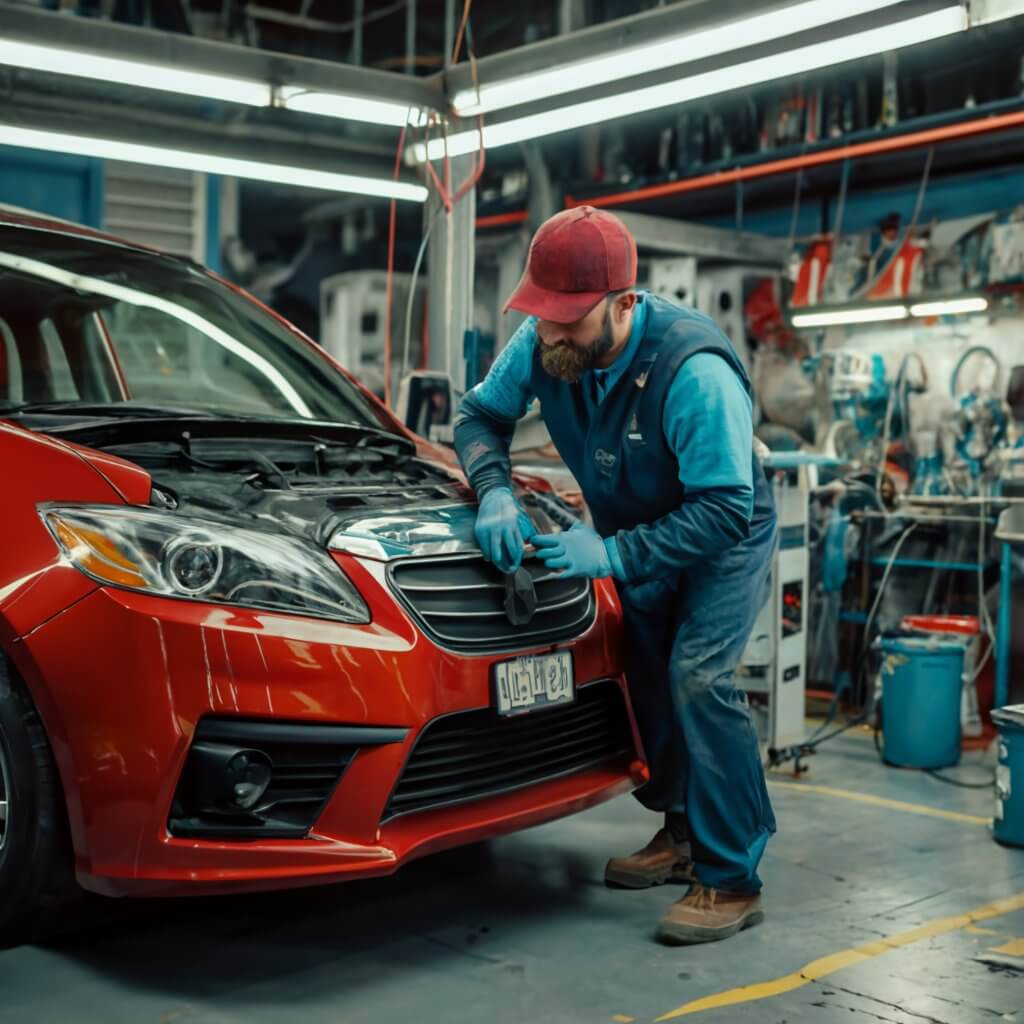
Change the colour without ignoring preparation
Changing a wheel set to black, gunmetal, bronze or another colour is still a refinishing job, not simply a colour spray. The previous coating, spoke shape, wheel size, recesses and desired gloss level all affect the work needed for an even set.
If an exact body or factory shade is requested, the same principles behind our paint matching and spray-out process can help define the target before refinishing.

Diamond cut wheels are not just painted wheels
RONAL explains that a diamond cut wheel is pre-painted and then turned with a diamond tool so a small amount of paint and aluminium is removed to reveal the bright machined surface. That is why a kerbed machined face may need a specialist restoration decision rather than ordinary repainting.
From damaged coating to controlled finish
A durable rim repaint starts before colour is applied
The most important work is often the preparation that disappears under the final finish. A clean result depends on identifying the wheel, removing unstable coating, correcting cosmetic surface damage and keeping functional areas within the approved refinishing method.
Identify wheel condition and finish
Record wheel size, existing coating, kerb damage, peeling, corrosion and any symptoms that suggest the job is more than cosmetic.
Define the refinishing boundary
Agree whether the job is one wheel, a matched set, an original-colour restoration or a deliberate colour change.
Prepare the surface
Remove contamination and unstable coating, feather damaged edges and create the surface profile required by the selected paint system.
Correct cosmetic kerb damage
Shallow surface marks are levelled within a cosmetic repair route. Structural symptoms are not converted into a paint operation.
Prime, colour and protect
Primer is used where the prepared substrate and paint system require it, followed by the selected colour and protective topcoat or clear finish.
Inspect the finished wheel
Review coverage, texture, colour consistency, edges, spoke recesses and agreed functional boundaries before handover.
What to inspect before accepting the finished set
A good wheel repaint should survive close inspection
Fresh gloss can make a wheel look impressive at first glance. A more useful quality check looks at the repaired edge, surface profile, colour relationship and the boundaries around areas that should not simply be buried under coating.
The repaired lip should look deliberately shaped rather than heavily rounded, wavy or buried under a thick paint edge.
When several wheels are refinished, compare them together. One fresh wheel can look different beside three aged wheels even when the nominal colour is similar.
Look for consistent gloss or satin level, clean spoke recesses and a finish without obvious runs, dry spray or rough overspray.
Wheel-specific mounting and contact areas should follow the applicable refinishing guidance rather than being coated simply because they are easy to reach.
If tyre, valve or TPMS work is required for the agreed finish, it should appear in the written scope rather than being assumed after the quote.
A machined or two-tone factory face should not be handed back as a plain painted wheel unless that visual conversion was intentionally approved.
This starting point applies to standard painted wheels where the agreed scope is cosmetic repainting. Wheel repair, specialist machined finishes, unusual colour work, heavy stripping and tyre or valve operations can change the quotation.
Planning time
Standard rim painting is commonly planned around 1 to 2 working days when preparation is straightforward. Additional repair, finish conversion or specialist work can extend the schedule.
Price follows the wheel, not a generic package name
What changes the rim painting quote
- Wheel size, spoke design and access into recesses
- Existing paint, clear coat, powder coat or machined finish
- Light kerb rash versus heavy peeling or surface corrosion
- One wheel, two wheels or a complete matched set
- Original colour restoration versus custom colour change
- Gloss, satin, matte, metallic or other finish requirements
- Tyre, valve or TPMS operations if they are required by the agreed method
- Any condition that requires repair or specialist assessment before painting
Prices are indicative. The final quotation depends on inspection, vehicle make and model, damage severity, panel material, required parts, paint system, electronics, calibration and current market conditions.
After the finish is handed back
Early care matters more than aggressive cleaning
The correct aftercare depends on the coating system and its cure. At handover, ask when normal washing is suitable and whether the chosen finish has any temporary restrictions.
Avoid assuming that a newly painted wheel is immune to kerb contact, harsh wheel chemicals or impact. Paint protects a prepared surface and restores appearance, but it does not turn the rim into a damage-proof component.
- Use the aftercare window given for the actual coating system used on your wheels.
- Do not attack fresh edges with aggressive chemicals or hard brushes before the finish is ready.
- Report peeling, blistering or unusual coating movement with clear photos instead of sanding it yourself.
- If vibration, air loss or a new tyre issue appears after collection, treat that as a wheel or tyre concern rather than a paint aftercare question.
- Keep the written colour and finish description if you may need one matching wheel refinished later.
Send the details that change the decision
Start with one full wheel photo and one close damage photo
Tell us the vehicle, wheel size, number of wheels, current finish and the result you want. Add any vibration, bend, crack or air-loss symptom so the first conversation separates cosmetic refinishing from a wheel-condition problem.
Send the wheel photo set on WhatsApp or call +971 50 233 7180.
- Vehicle make and model
- Wheel size and number of wheels
- Full wheel-face photograph
- Close photograph of kerb rash, peeling or damage
- Original colour or target colour and gloss level
- Any vibration, air loss, visible crack or bend