
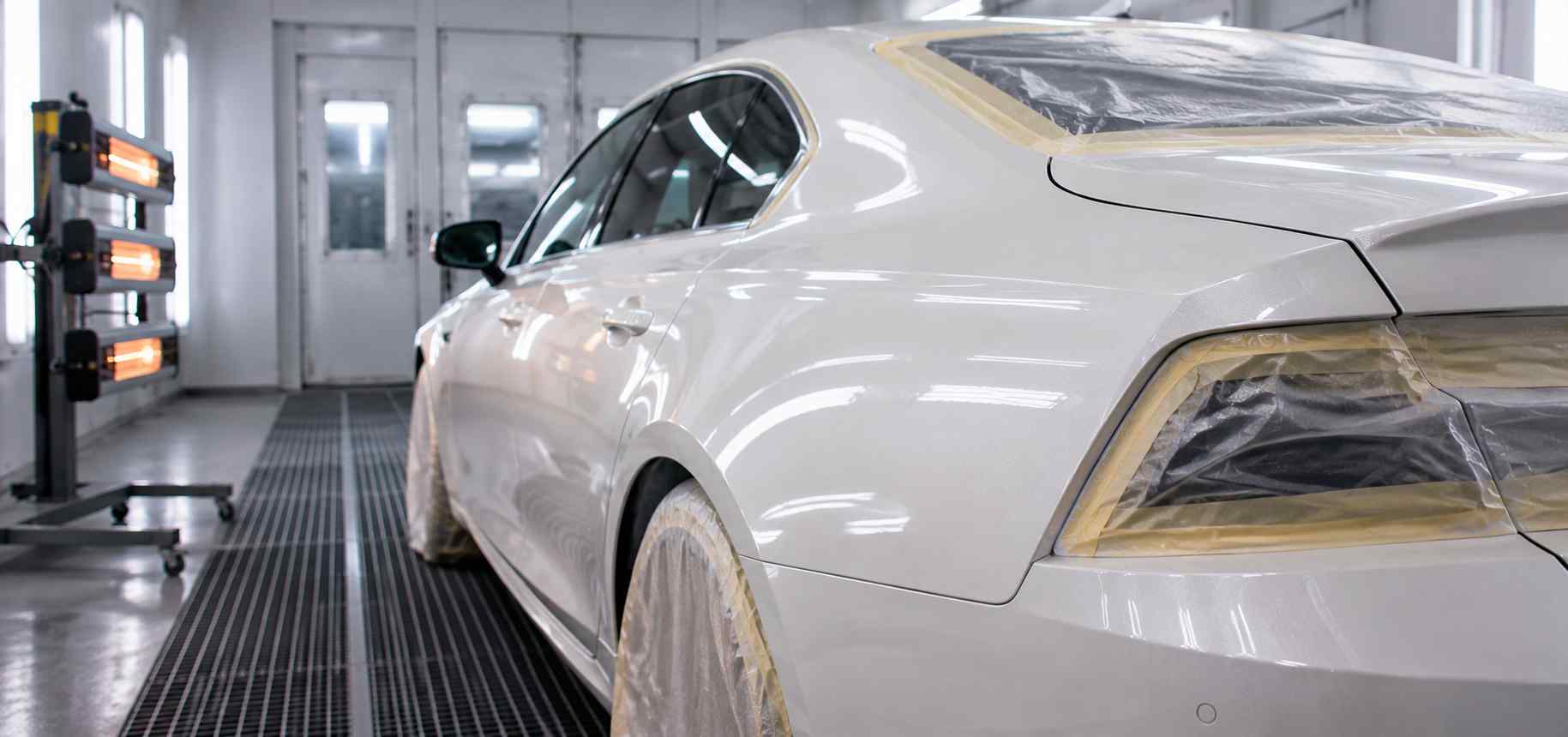
Wash Car After Repainting in Dubai
Wash car after repainting only after the body shop confirms that the specific refinish system is ready. A careful hand wash can be permitted earlier than automatic brush washing, pressure cleaning, polishing, waxing, ceramic coating or PPF, so ask for separate written dates or conditions for each action.
Wash Car After Repainting Safely Without One Fixed Countdown
A booth-baked two-component clear coat, an air-dried local repair, a plastic bumper repaint and a restoration with several primer and filler layers can reach service conditions differently. Weather, film build, panel temperature and rectification also matter.
Ask for three release points at handover
First gentle hand wash when the refinisher says water, mild shampoo and contact washing are suitable. Higher-risk washing when pressure jets, commercial bays or stronger chemicals are allowed. Protection work when polishing, wax, sealant, ceramic coating or adhesive film is approved.
If the workshop cannot identify the paint system or curing conditions, take a conservative approach and obtain a written inspection before adding chemicals, abrasion or film.
Protect the finish through four different stages
Inspect before cleaning
Check colour, effect, gloss, texture, dust correction, overspray and edges with the vehicle already clean and dry. Record any concern before road use or washing changes the evidence.
Avoid unnecessary contact
Keep the vehicle away from automatic brushes, harsh chemicals, dry dusting and pressure at edges. Follow the body shop’s parking and contamination guidance.
Use a gentle method
Wash a cool panel in shade, rinse loose dust, use clean soft media and a suitable shampoo, then dry without heavy pressure. Stop if the coating feels unusual or an edge lifts.
Add products only after approval
Wax, polish, ceramic coating and PPF have different preparation and adhesion needs. The refinisher and installer should agree on readiness.
Use this first-wash method when approved
- Park in shade and let the panels cool.
- Rinse loose dust gently before touching the paint.
- Use clean buckets, soft wash media and the recommended shampoo.
- Work from cleaner upper panels toward dirtier lower areas.
- Rinse thoroughly without forcing water into fresh edges.
- Dry with clean soft towels or an approved touch-light method.
- Inspect the repaired area and report any concern promptly.
Avoid these early-care mistakes
- Automatic brush washes that create friction and trap grit
- Pressure jets aimed into panel edges, badges, sensors or film
- Dry wiping Dubai dust from a hot surface
- Strong degreasers, solvents, tar removers or acidic cleaners
- Abrasive compounds, scratch removers or wet sanding
- Wax, sealant, ceramic coating or PPF before release
- Leaving hard-water droplets to bake in direct sun
Fresh paint still needs prompt action when something lands on it
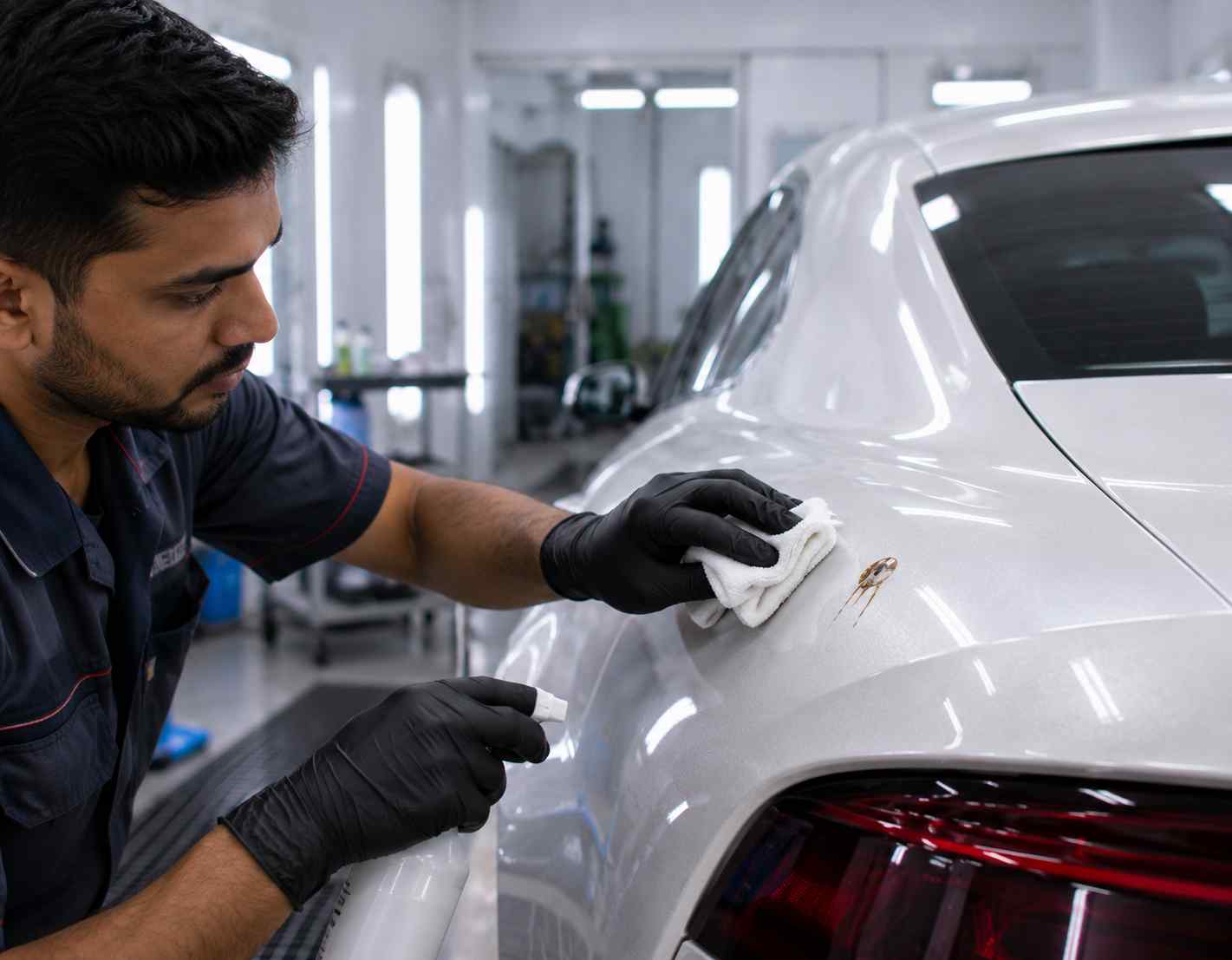
Bird droppings
Organic residue can etch paint, especially on a hot panel. Contact the workshop if routine washing is not yet approved. Soften and lift it with the body shop’s recommended method rather than scrubbing.
Fuel spill
Rinse or blot according to the written paint guidance and report prolonged contact. Do not use a strong solvent to chase the residue from a fresh coating.
Tree sap
Do not scrape hardened sap. Ask which mild method is safe at the current cure stage. Heat and aggressive rubbing can create a larger mark.
Hard-water spots
Dry mineral-rich droplets quickly when safe. Water-spot remover can be chemically strong, so obtain approval before using it on a recent repaint.
Road tar
Tar remover can contain solvents. Let the refinisher inspect or approve a product instead of experimenting at the lower edge of a freshly painted panel.
Workshop dust
Rinse loose particles when washing is approved. Do not dry-dust or repeatedly rub a coating that is still following its early cure plan.
Distance alone does not make a pressure jet safe
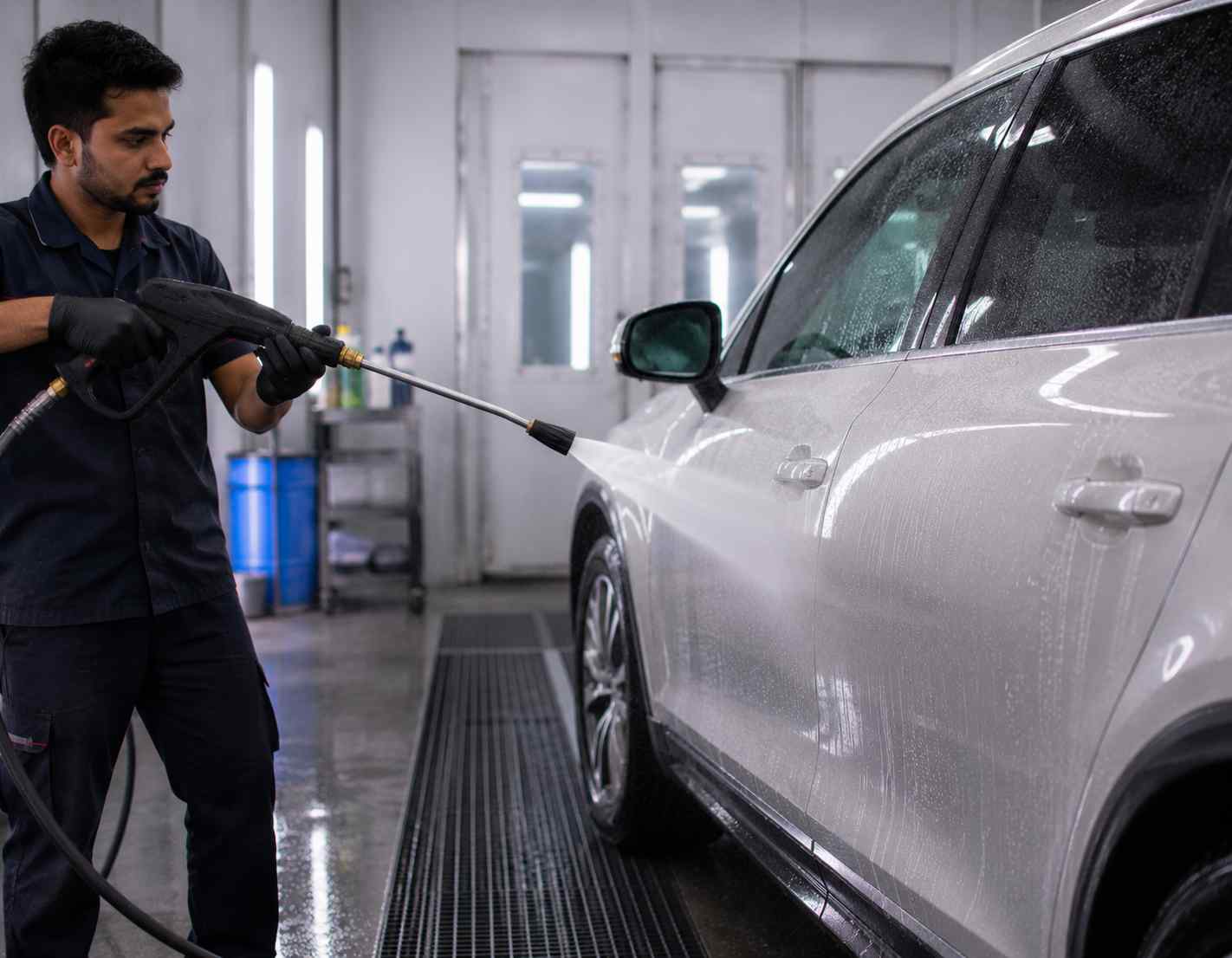
Jet pressure, nozzle pattern, distance, angle, water temperature and dwell all affect the force at the paint. Fresh edges around handles, mouldings, sensors, wheel arches, badges and panel returns can be more vulnerable than the centre of a panel.
Do not aim a pressure jet into an edge or repaired seam. A commercial wash bay can also use unknown detergent or wax cycles. Wait for the body shop’s higher-risk washing release, then follow its distance and angle guidance.
If paint protection film has been added later, pressure also needs to stay away from film edges. The film installer’s wash guidance applies in addition to the refinish guidance.
Brush contact can mark even fully cured paint
Automatic brushes can retain grit and create swirl marks. This is a finish-quality risk even after paint is fully cured, and it is particularly avoidable during early aftercare. Touchless washes remove brush contact but can use stronger chemicals and high-pressure jets.
A gentle hand wash gives more control over media, pressure, chemical and drying. If a professional detailer will wash the vehicle, tell them which panels were painted and provide the body shop’s release instructions.
Do not assume a wash package described as premium or paint-safe is automatically suitable for a new refinish. Product strength and mechanical contact still matter.
Washing, polishing and coating are separate permissions
Can I wax fresh paint?
Wait for the refinisher’s wax or sealant release. Some products can interfere with solvent release or later rectification when used too early.
Can I polish it?
Do not polish without inspection. Conventional gloss clear coat may receive controlled defect correction at an appropriate stage, while matte paint should not be polished like gloss.
Can I apply ceramic coating?
Only after the paint is released, finish defects are accepted and the preparation chemistry is approved. See ceramic coating after repaint.
Can I install PPF?
The refinisher and film installer should agree on cure, substrate and edge condition. The PPF after repaint guide provides the readiness gates.
Can I use a clay bar?
Clay is abrasive and can mar paint. It should not be used on a recent repaint unless a professional confirms that contamination and cure justify it.
Can I use a car cover?
A cover can rub dust into the surface or trap moisture. Ask whether it is suitable, and never drag a dirty cover across fresh paint.
The body shop should identify the finish, not just the colour
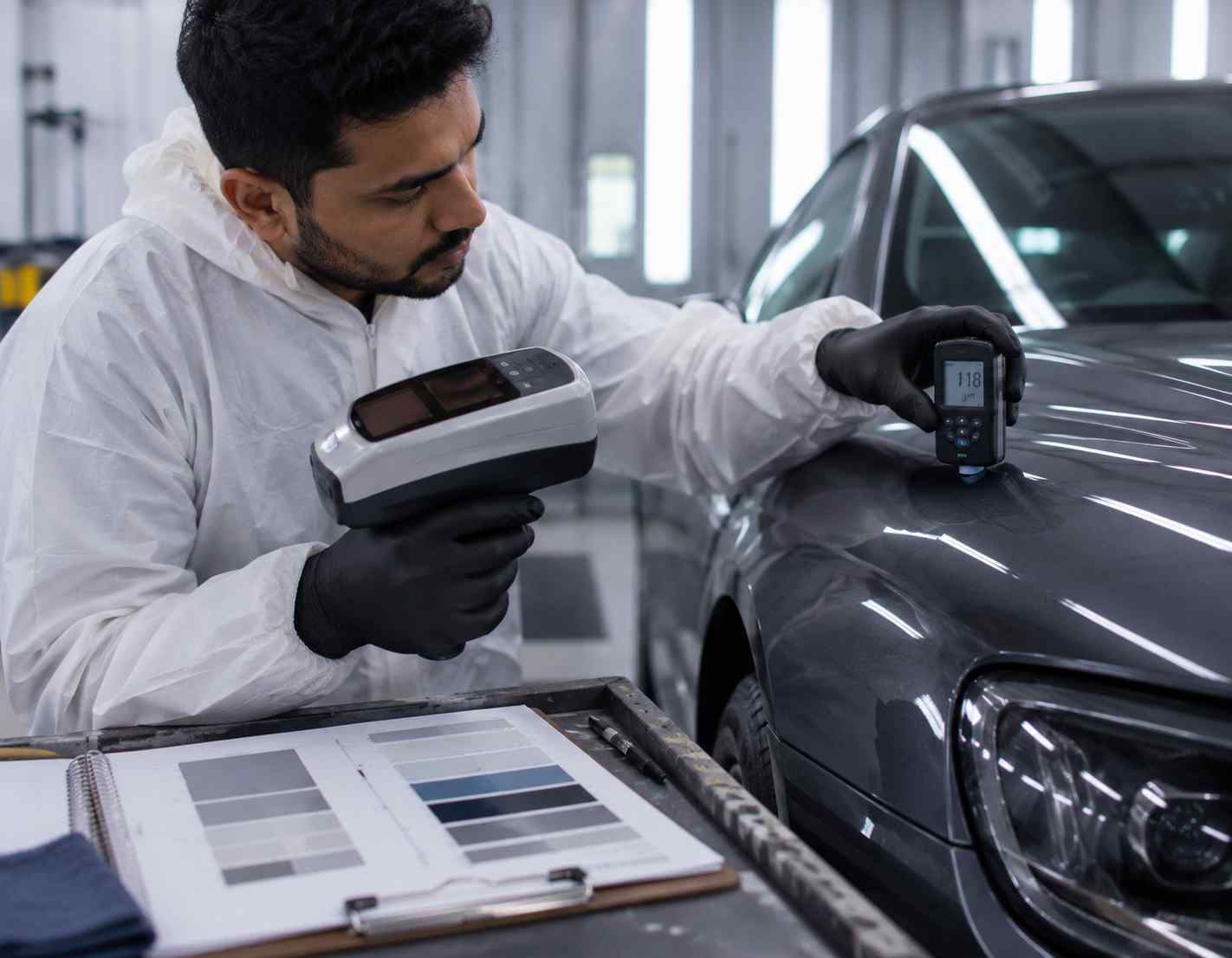
Conventional gloss basecoat and clear coat have different aftercare from matte or satin clear. Plastic bumper coatings can include flexible preparation. A restoration may contain more primer and repair layers than a simple panel refinish. Product compatibility and curing conditions control the release.
Booth baking can accelerate specified cure stages, but it does not mean every chemical, pressure or film process is immediately suitable. The panel must cool, reassembly must finish and quality control must pass.
If the vehicle received only paint correction, not repainting, the first-wash restrictions may come from the polish, glaze, wax or coating used instead. Ask for the actual service record.
Stop before trying to fix it yourself
Photograph lifting, blistering, haze, unusual softness, colour transfer, a rough edge or a mark that does not wash away. Note the product, water source, panel temperature and method used. Contact the body shop before compounding or using solvent.
A defect that appears after washing is not automatically caused by the wash, and it is not automatically a paint-warranty issue. The workshop needs to inspect the layer, location and process. Good records allow a fair diagnosis.
Use the car paint warranty guide to understand why repaired panels, date, aftercare and later detailing should remain documented.
Leave with four written answers
Paint record
Panels, finish type, completion date, booth or cure information and rectification.
Wash release
Earliest gentle wash, approved shampoo, pressure restriction and automatic-wash guidance.
Protection release
Polish, wax, ceramic coating and PPF dates or conditions kept separate.
Concern route
Contact, evidence to capture, products to avoid and job-specific warranty terms.
For broader finish care and booking, use the car painting service. The correct next action after repainting is not another product. It is a clear aftercare record matched to the paint system actually used.
Reduce contamination without sealing the vehicle away
Whenever practical, park in shade during the early aftercare period, but avoid trees that drop sap or attract birds. A covered indoor space can reduce dust and heat. Ventilation matters, and the vehicle should not be wrapped in plastic or an unapproved cover that touches the finish.
Do not place magnetic signs, adhesive decorations, tape or suction accessories on freshly painted panels. Avoid leaning bags, tools or fuel hoses against the repaired area. Tell valets and service centres which panels were repainted so they do not polish or wipe them without permission.
Dubai dust can accumulate quickly. A dusty car may look as though it needs immediate wiping, but dry contact drags particles across the clear coat. Wait for the approved wash route or ask the workshop how to remove a local contaminant safely.
Construction fallout, cement dust and paint overspray require professional assessment. Water can react with some mineral contamination, while aggressive clay or solvent can damage fresh coating. Photograph the exposure and contact the body shop promptly.
Edges, plastics and horizontal panels need extra attention
Fresh bumper paint surrounds grilles, sensors, reflectors and tight returns. Avoid pressure and stiff brushes around those openings. A plastic cover can flex during contact, so do not push hard on a newly repaired corner.
Bonnet, roof and boot-lid surfaces collect water and contamination. Dry them before mineral spots bake in heat, but use only the approved method. Large horizontal panels also reveal towel marks and water trails more easily under direct sun.
Door edges, handles, fuel flaps, mouldings and wheel arches can carry thinner film at sharp contours or freshly assembled clips. Wash along the surface rather than driving water into the edge. Report a chip or lifting line instead of picking it.
Matte or satin panels cannot be spot-polished to remove wash marks without changing sheen. Use the approved matte shampoo and clean media. If an oily or glossy patch appears, let the refinisher inspect it before applying a corrective product.
Tell the detailer exactly what was painted
Provide the repaint date, panel list, finish type and written release. Ask the detailer to record shampoo, decontamination, machine-polishing and protection products before starting. A normal wash appointment can turn into an unapproved correction when the provider sees dust or texture.
Do not authorise clay, iron remover, tar remover, water-spot remover, compound or steam merely because the provider uses those products safely on older factory paint. Fresh refinish chemistry and edge condition require a separate acceptance.
If the detailer finds overspray, dust nibs or sanding marks, return the vehicle to the body shop. Let the refinisher decide whether the concern is accepted finish texture, safe correction or a repaint defect.
Choose the action that creates the least new risk
The car is lightly dusty. Wait for the approved wash and rinse before contact. Do not use a feather duster or dry microfibre.
A bird dropping lands on the repaint. Contact the workshop if routine washing is restricted. Soften and lift it with the recommended method, then document any mark.
The car is splashed with muddy water. Avoid rubbing grit. A gentle rinse may be safer when the body shop approves it, followed by the specified wash once permitted.
A wash was done too early. Do not panic or add wax. Photograph the finish in good light, note the products and pressure used, and ask the body shop to inspect.
The painter and product system should settle the conflict
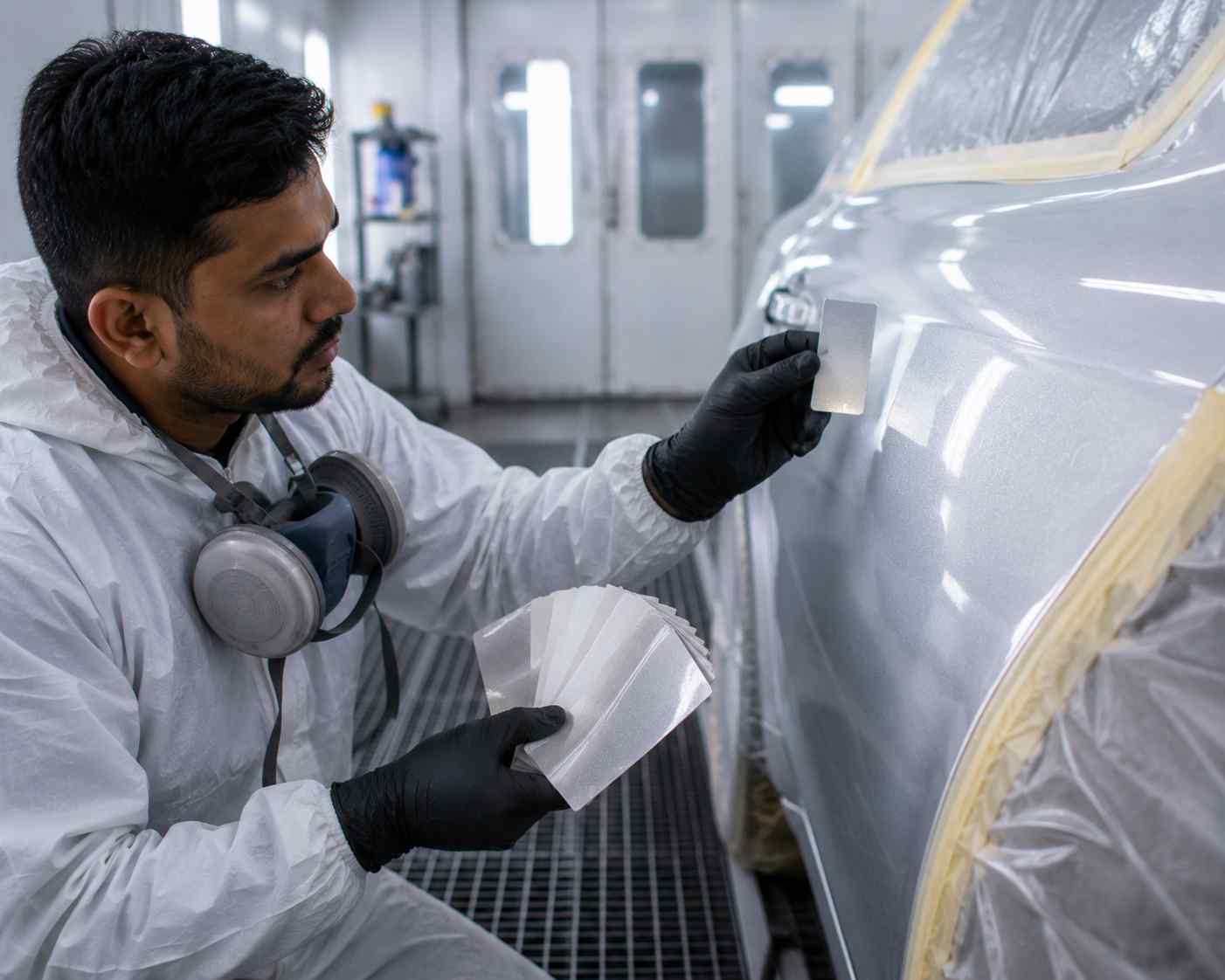
One body shop may allow a gentle hand wash relatively soon after a booth-baked repair, while another gives a longer restriction for a different coating, repair stack or curing condition. Advice can also separate water contact from shampoo, pressure and protection.
When online guidance conflicts with the workshop, ask the workshop to identify the product or technical basis for its instruction. Keep the answer in writing. If the vehicle was painted by another provider and no records exist, arrange an inspection instead of selecting the shortest internet estimate.
A clean appearance is not worth risking adhesion, edges or warranty evidence. The safest answer is the earliest method specifically approved for the finish on the car.
Good technique matters after the restriction ends
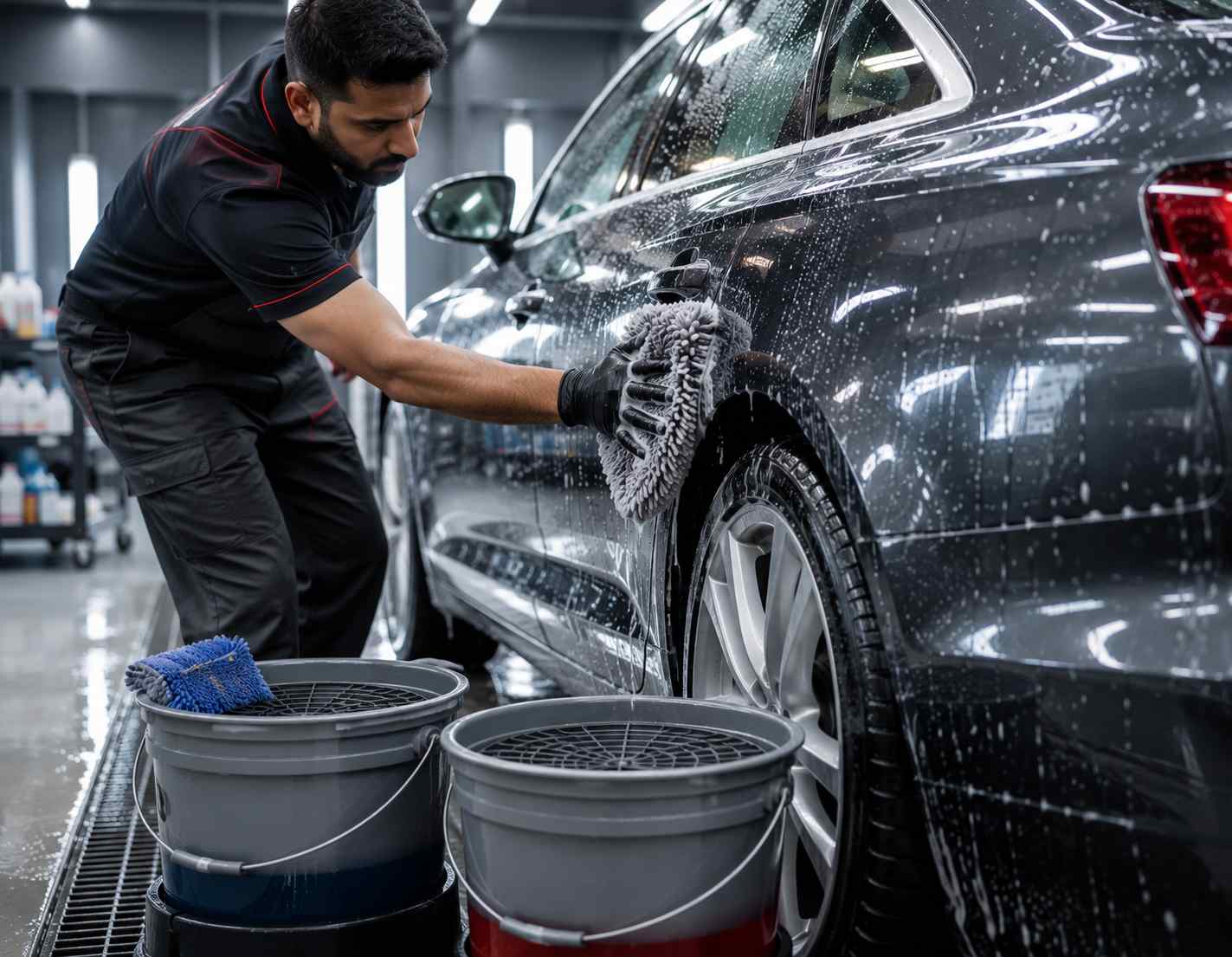
Rinse before touching, use clean wash media, keep wheels and lower-body tools separate, lubricate the surface with suitable shampoo and dry gently. Replace a dropped towel or mitt instead of returning grit to the panel.
Do not chase every mark with scratch remover. Inspect whether the defect is contamination, wash marring, a deep scratch or paint failure. Repeated aggressive polishing shortens clear-coat life.
Record later ceramic coating or PPF installation because future accident repair must include removal, replacement and warranty boundaries. Care history becomes part of the next accurate quotation.
Confirm your fresh-paint aftercare
Send the repaint date, panels, finish type and invoice. If contamination has already landed on the paint, include clear photos and do not scrub it first.