
Body and paint repair in Al Quoz 4
Car Body Repair Dubai
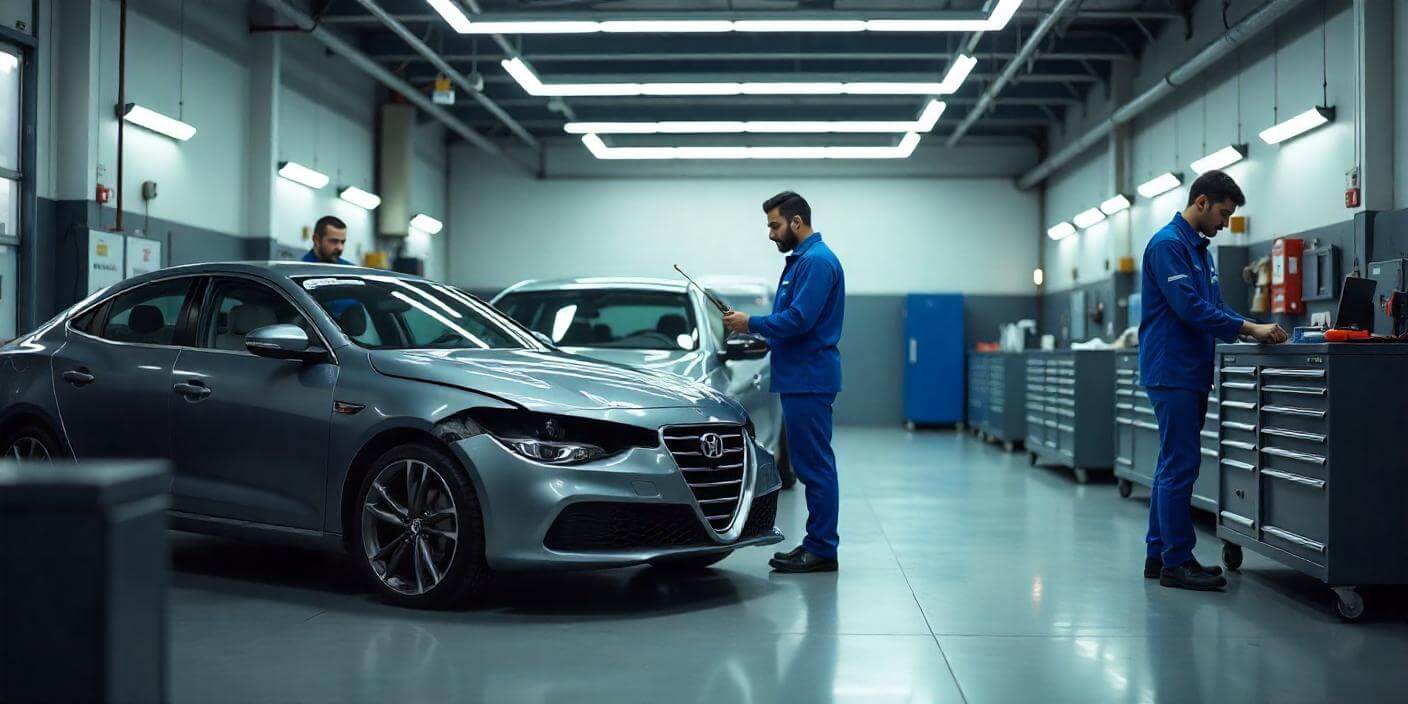
Dents, scratches, bumper damage and misaligned panels need more than a cosmetic cover-up. We inspect the damaged area, neighbouring panel fit and paint condition first, then explain whether repair, refinishing or replacement is the sensible route.
Start with the damage path
Body repair should restore shape, fit and finish together
A visible dent or scratch may be the only problem, but damage near a bumper corner, door edge, lamp, wheel arch or closure can also disturb mounts and panel relationships. The first inspection separates surface damage from issues that need wider access or measurement.
Small dents may support paintless or conventional dent repair depending on paint condition and access. Scratches may need polishing, local refinishing or a larger paint scope when the coating is broken. Bumper and panel work is judged by shape, attachments and fit—not only by whether the mark can be hidden.
For heavier impacts involving several systems, airbags, suspension or suspected structure, use our accident repair service. For isolated boot damage, see boot lid repair in Dubai.
Body repair services
Common car body repairs handled at our Dubai workshop
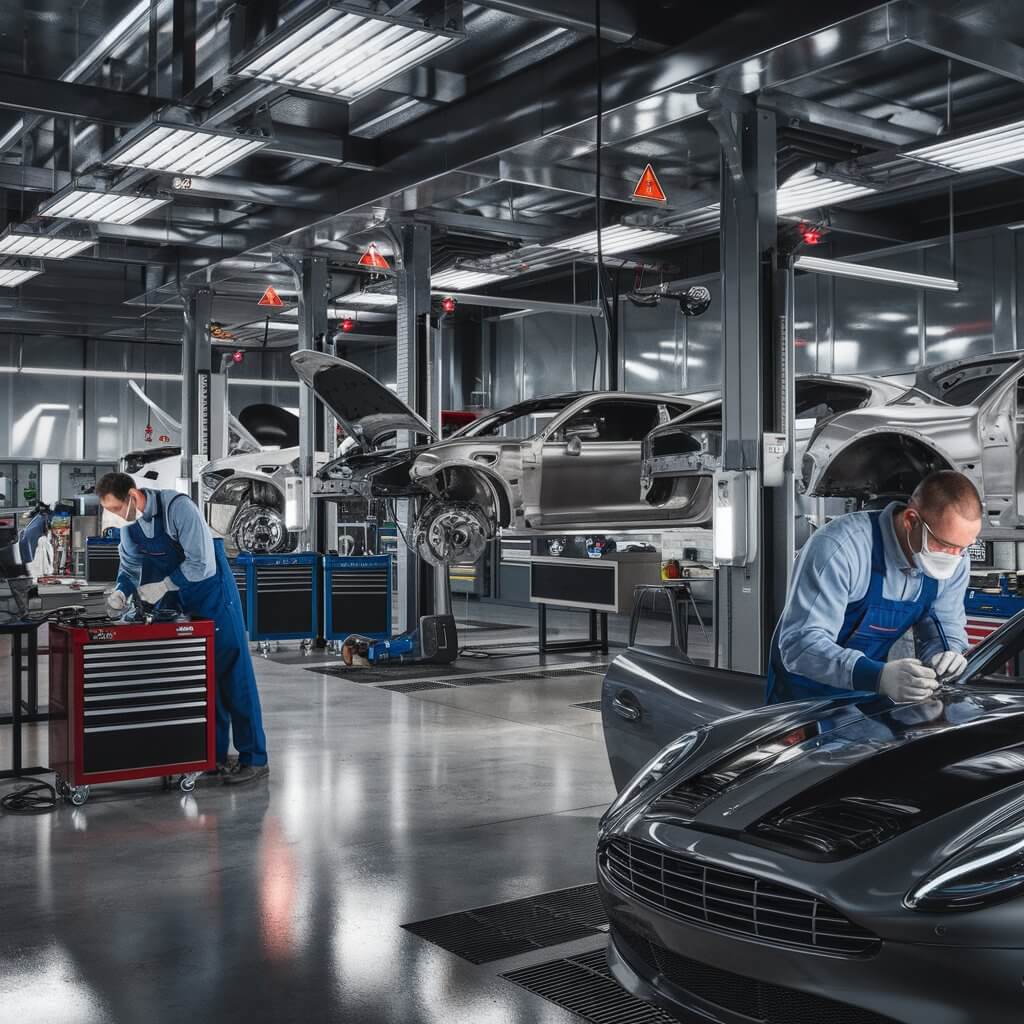
The correct method depends on the component, damage depth, material, finish and access. These service categories describe the starting point rather than a fixed one-method package.
Dent removal
Shallow dents with suitable paint and access may support paintless dent repair. Deeper or creased dents can require conventional shaping and refinishing.
Scratch repair
We separate surface transfer and clear-coat marks from scratches that have broken through colour, primer or exposed material.
Bumper repair
Scuffs, dents and repairable cracks are assessed with clips, guides, grilles, sensors and neighbouring panel fit before repair or replacement is chosen.
Fender and wing repair
Wheel-arch shape, lamp junctions, door gaps and impact direction matter when a front or rear wing is dented or displaced.
Panel beating and reshaping
Repairable metal panels are corrected in controlled stages before preparation so paint does not become a substitute for accurate body shape.
Panel alignment
Doors, bonnets, tailgates and adjacent panels are checked for gap consistency, flushness and closure operation where the impact makes these relevant.
Glass and opening-related work
When damage sits near fixed glass, windows or bonded openings, surrounding geometry and sealing surfaces are considered before refitting.
Rust and corrosion repair
Corrosion is assessed for depth and location before cutting, treatment, panel work or refinishing is proposed.
Vehicle-specific repair pathways
Body repair by vehicle brand
Panel materials, paint systems, sensor locations, closure design and repair procedures vary between manufacturers. Choose your vehicle brand for a more relevant overview of the body, paint and collision-repair considerations that may apply. The exact repair scope is confirmed only after the vehicle and damage are inspected.
Audi body repair
Body and paint assessment for Audi vehicles, including panel fit, aluminium where applicable and sensor-related inspection.
BMW body repair
Repair planning for BMW panels, closures, paint finishes and impact areas around driver-assistance equipment.
Mercedes-Benz body repair
VIN-led assessment for Mercedes-Benz body construction, trim, paintwork and collision-damaged components.
Porsche body repair
Careful panel, bumper and refinishing assessment for Porsche body lines, materials and finish requirements.
Land Rover body repair
Body and paint repair planning for Land Rover panels, aluminium structures where fitted and off-road impact areas.
Range Rover body repair
Vehicle-specific assessment for Range Rover panel alignment, paint finish, closures and collision damage.
Tesla body repair
EV-aware body assessment covering aluminium panels, battery-adjacent impact areas, cameras and sensor locations.
Toyota body repair
Body repair support for Toyota cars and SUVs, from bumper and dent damage to panel alignment and refinishing.
More vehicle brands we repair
Choose a manufacturer for brand-specific body, paint and collision-repair information.
Repair, replace or refinish
Three separate decisions should not be mixed into one shortcut
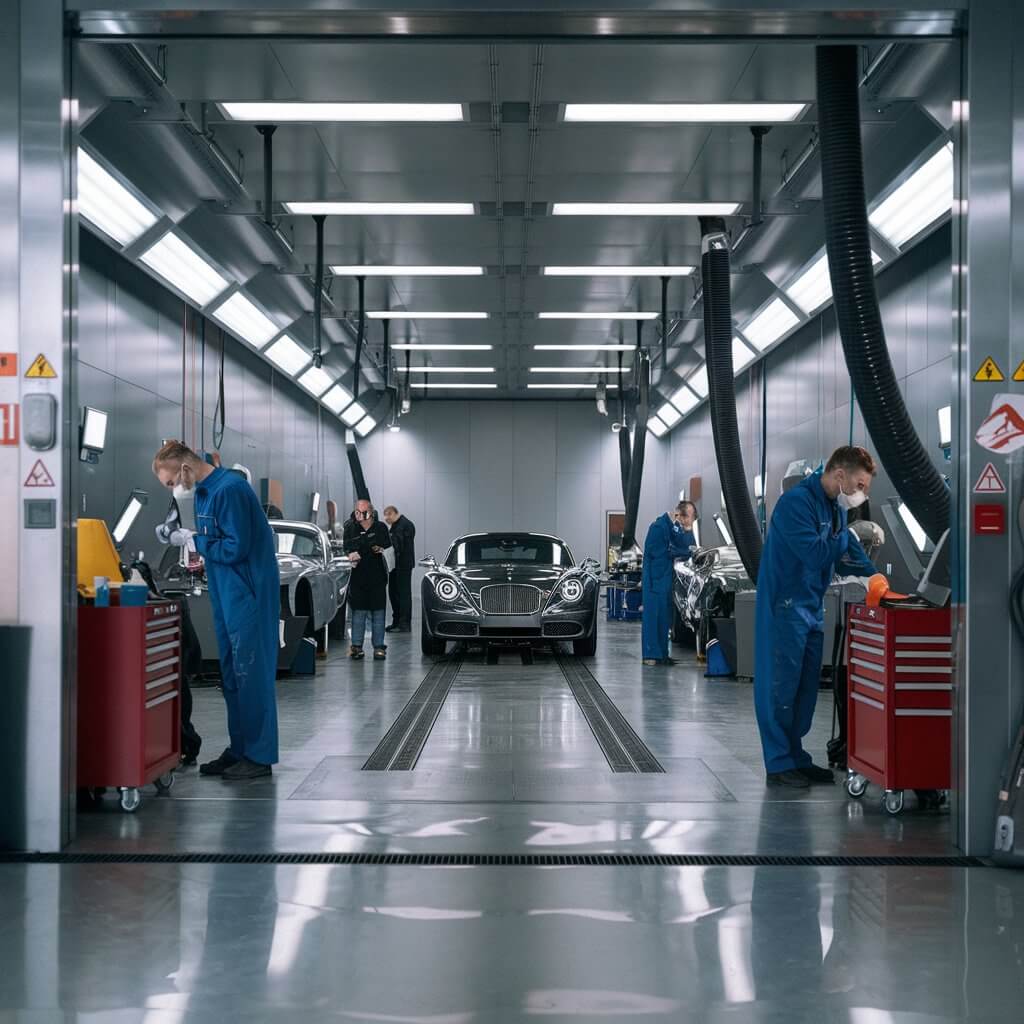
A panel can be repairable but still need repainting. A bumper may retain its outer shape while a guide or attachment is broken. A replacement panel still needs fitting, preparation and paint work. We keep those decisions separate so the estimate explains what is being corrected and why.
- Repair is considered when shape, edges and attachments can be restored reliably.
- Replacement is considered when tears, severe stretching, damaged mounts or unstable previous work make repair unsuitable.
- Refinishing scope follows coating damage, colour relationship and neighbouring panels—not a fixed rule for every mark.
- Hidden findings after authorised access are explained before the scope is expanded.
Why careful body repair matters
A good result is more than making the dent disappear
Panel geometry
Reflections and body lines reveal low spots, crowns and waves that may remain after rushed shaping. The surface should read naturally from more than one angle.
Paint continuity
Colour code is a reference, but adjacent finish, previous refinishing, metallic or pearl effect and viewing light influence the final visual match.
Closure and trim fit
Relevant doors, bonnet, tailgate, bumper junctions, trims and seals are checked where the repair area could affect their seating or operation.
Our body repair process
Four stages from inspection to final quality check
Damage inspection
We record the repair area, surrounding condition, visible gaps, paint damage and any clue that suggests wider impact involvement.
Panel or bumper repair
The approved shaping, plastic repair, replacement or alignment work is completed before the finishing stages begin.
Paint matching and refinishing
Preparation, colour and clear-coat work follow the observed finish and agreed paint scope rather than hiding poor shape underneath.
Final quality check
We review repaired shape, visible gaps, trim seating, finish and relevant functions before handover.
Tools support evidence
Repair equipment is useful only when it answers the right question
Different jobs can require dent tools, measuring equipment, panel-shaping tools, welding or joining equipment, paint-matching references and controlled finishing tools. Structural or alignment equipment is used when the damage justifies it; a cosmetic scratch does not need the same process as a collision-damaged opening. Our body repair case studies show how inspection records, measurements and finish checks support different repair decisions.
- Dent-removal and panel-shaping tools for recoverable deformation
- Measuring and alignment equipment where geometry needs verification
- Joining and welding equipment when the approved repair route requires it
- Paint preparation, colour matching and spray equipment for refinishing
- Inspection lighting for surface shape, texture and finish review

Common damage we assess
Different body defects need different repair decisions
Fading or peeling paint
Coating failure is checked for clear-coat breakdown, previous repair, contamination and the condition of the layers beneath.
Dents and dings
Dent depth, access, body lines, edges and paint condition determine whether PDR or conventional repair is more suitable.
Cracked or broken panels
Material, crack location, attachment points and load-bearing relevance determine whether repair or replacement should be discussed.
Scratches and paint chips
We identify how far paint-chip damage has travelled through the coating before polishing, touch-in, local refinishing or panel painting is considered.
Rust and corrosion
Surface rust and deeper perforation require different preparation and repair boundaries. Painting over active corrosion is not a durable repair.
Misaligned panels
Changed gaps may come from hinges, latches, retainers, bolt-on panel movement or wider collision effects, so adjustment follows diagnosis.
Do not ignore changes after an impact
Timely body repair can limit secondary damage
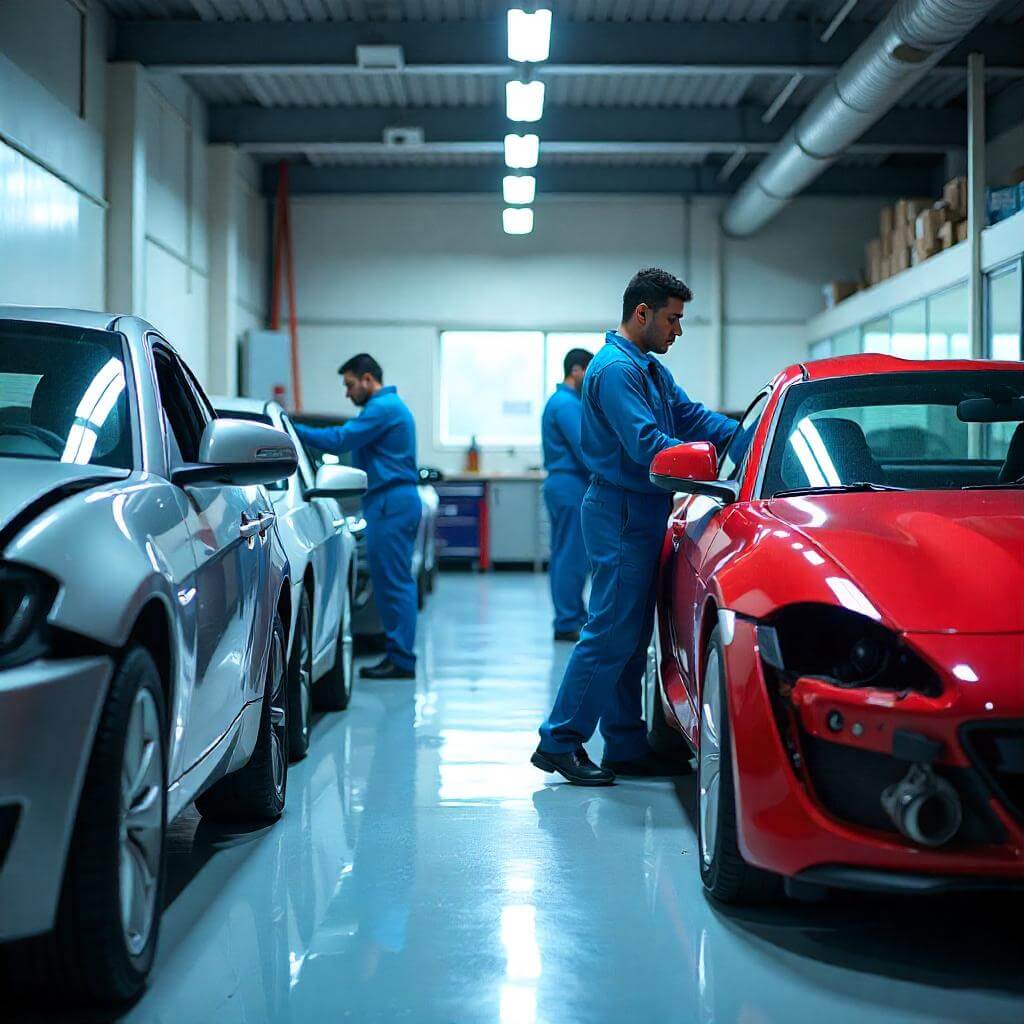
Broken paint can expose metal to moisture. A loose bumper edge can worsen as clips or guides move. A door or bonnet that no longer latches or sits correctly can damage neighbouring paint, seals or fittings. Early inspection helps separate urgent issues from cosmetic work that can be scheduled normally.
If a wheel is displaced, a tyre rubs, fluid leaks, steering or braking has changed, a bonnet or door will not secure, airbags have deployed, or a safety warning remains after an impact, arrange proper inspection or recovery rather than treating it as a simple bodywork visit.
Indicative body repair prices
Planning ranges for common cosmetic bodywork
These are useful starting ranges, not fixed quotations. Vehicle model, material, damage depth, paint type, dismantling, parts, previous repair and hidden findings can change the final scope.
Small dent repair
AED 250–600
For eligible local dents; method depends on access, shape and paint condition.
Scratch repair
AED 300–900
Depends on scratch depth, affected coating layers, finish and refinishing area.
Bumper repair
AED 500–1,500
Typical repair scopes vary with cracks, deformation, tabs, sensors and paint.
Panel repair
AED 700–2,500
Depends on panel size, material, dent complexity, access and painting needs.
Send photos before arranging a body repair inspection
Wide and close views can help us understand the location and visible damage. A final repair method or quotation may still need an in-person inspection.
What you should expect
Clear scope, careful finishing and a final handover check
Inspection-led estimate
The estimate should separate repair, replacement, paint and conditional work so you know what is approved before work starts.
Repair before replacement where suitable
We assess whether the existing component can be restored sensibly before assuming that replacement is necessary.
Paint and panel-fit review
Final review considers visible finish, relevant gaps, trims and the repaired area in relation to surrounding panels.
Parts identified by scope
If replacement parts are needed, the estimate should identify what is being supplied and any availability or fitment dependency.
Progress changes explained
If authorised access reveals related hidden damage, the additional finding and revised scope should be explained before expansion.
Collection guidance
Handover covers the completed work and relevant paint-care or inspection guidance after the repair.
Frequently asked questions
Car body repair questions
How long does a typical car body repair take?
Timing depends on the damage, repair method, paint stages, parts availability and whether hidden damage is found after authorised access. Minor cosmetic jobs may be quicker than multi-panel or collision work.
Can I drive my car with body damage?
Small cosmetic marks may not affect driving, but do not assume an impact-damaged vehicle is safe if a wheel has moved, a tyre rubs, fluid leaks, a closure will not latch, steering or braking feels different, airbags deployed or warning lights remain.
Will the paint match after a repair?
Paint matching considers the vehicle’s existing finish, not only the colour code. Metallic or pearl effect, previous refinishing, adjacent panels and viewing light can affect the final visual relationship.
Does insurance cover body repair?
Coverage depends on the policy, incident, liability, excess and insurer requirements. The workshop can provide repair information and an estimate, but the insurer decides claim coverage and approval.
What signs mean body damage needs prompt inspection?
Changed panel gaps, loose bumper corners, exposed metal, cracked paint near an edge, unusual closure operation, rubbing tyres, leaks or new warning messages justify earlier assessment.
Can I repair rust myself?
Very light surface corrosion may appear simple, but deeper rust can extend under paint or through seams and panel edges. A durable repair requires the corrosion extent to be identified before coating work.
Arrange a car body repair assessment in Dubai
Tell us where the damage is, how it happened and whether any panel, closure, warning or driving behaviour changed after the incident.